
Table of Contents
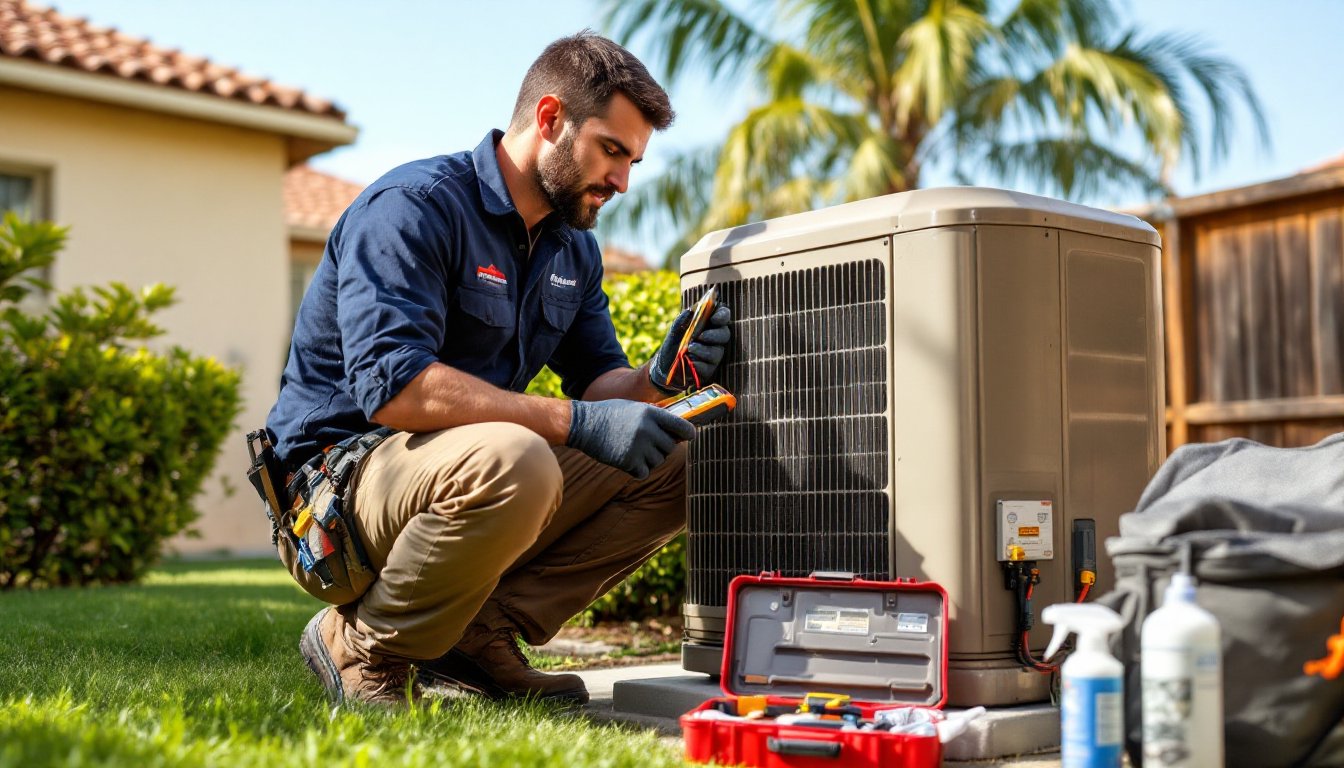
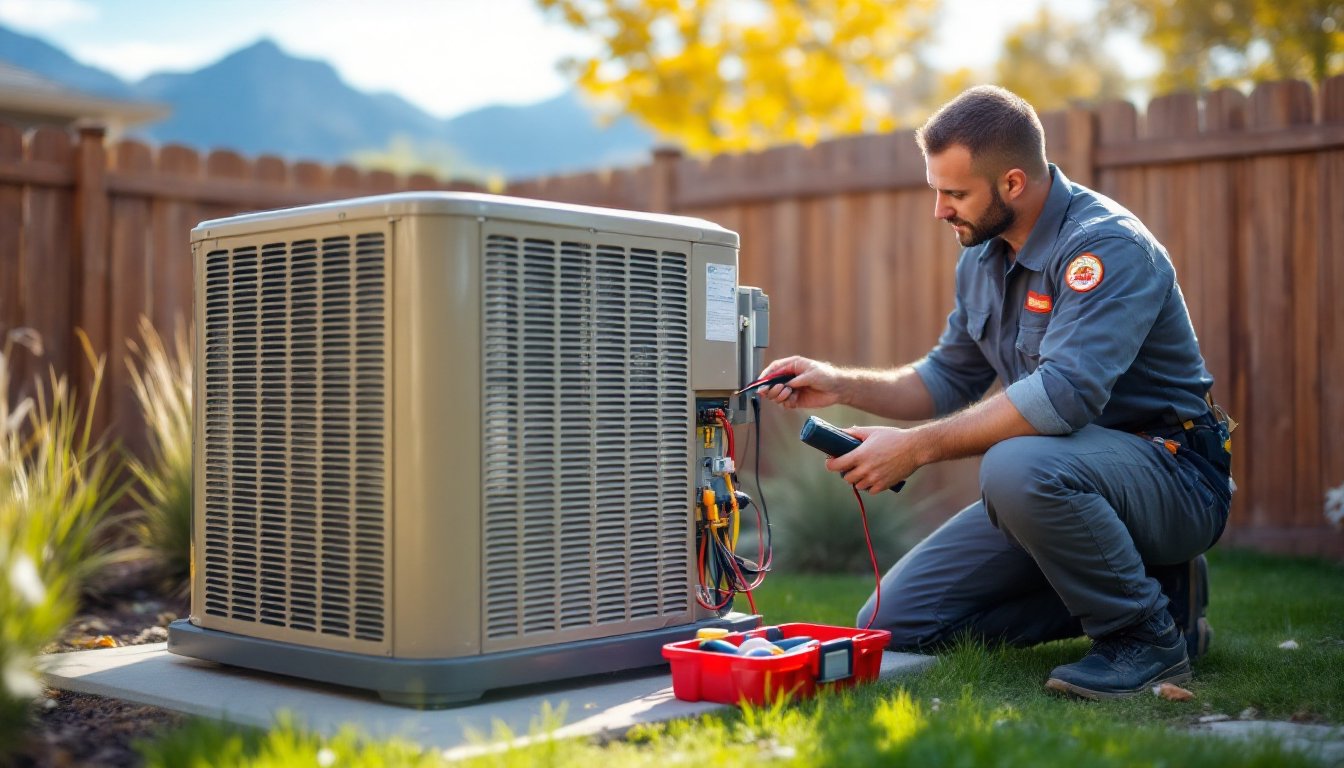
ToggleYour HVAC system is one of the hardest-working systems in your home, running hundreds of hours each season to keep your family comfortable. Yet most homeowners only think about it when something breaks, usually on the hottest or coldest day of the year. Regular maintenance isn’t just about preventing emergencies: it’s about efficiency, longevity, and indoor air quality. Finding a reliable local technician shouldn’t feel like a gamble. This guide walks through what to look for, where to search, and how to vet HVAC pros in your area so you can make an informed hire.
Key Takeaways
- Regular HVAC maintenance near me improves system efficiency by 10-25%, reduces utility bills, and helps systems reach their full 15-20 year lifespan.
- Quality HVAC maintenance providers should be licensed, insured, NATE-certified, and willing to explain their work transparently without high-pressure upselling.
- A thorough maintenance visit includes filter replacement, coil cleaning, refrigerant checks, electrical inspection, and thermostat calibration—costing $80-$150 for a single visit.
- Annual service plans ($150-$300/year) often pay for themselves with just one repair, offering priority scheduling, repair discounts, and waived diagnostic fees.
- Start your search with personal referrals and local online searches, verify credentials through your state’s licensing board, and obtain at least three quotes before hiring.
Why Regular HVAC Maintenance Is Essential for Your Home
HVAC maintenance isn’t optional if you want your system to hit its expected 15-20 year lifespan. Skipping annual tune-ups is like never changing the oil in your car, it’ll run for a while, then fail catastrophically.
A well-maintained system runs 10-25% more efficiently than a neglected one. That translates directly to lower utility bills, especially if you’re in a climate with extreme summers or winters. Dirty coils, clogged filters, and low refrigerant force the compressor to work harder, driving up energy costs and shortening component life.
Indoor air quality takes a hit when maintenance lapses. Dust, mold spores, and allergens accumulate in ductwork and on evaporator coils. If anyone in your household has asthma or allergies, regular filter changes and coil cleaning make a measurable difference.
Most manufacturers require proof of annual maintenance to honor warranty claims. Miss a year, and you might be on the hook for a $1,500 compressor replacement that would’ve been covered. Keep your service receipts.
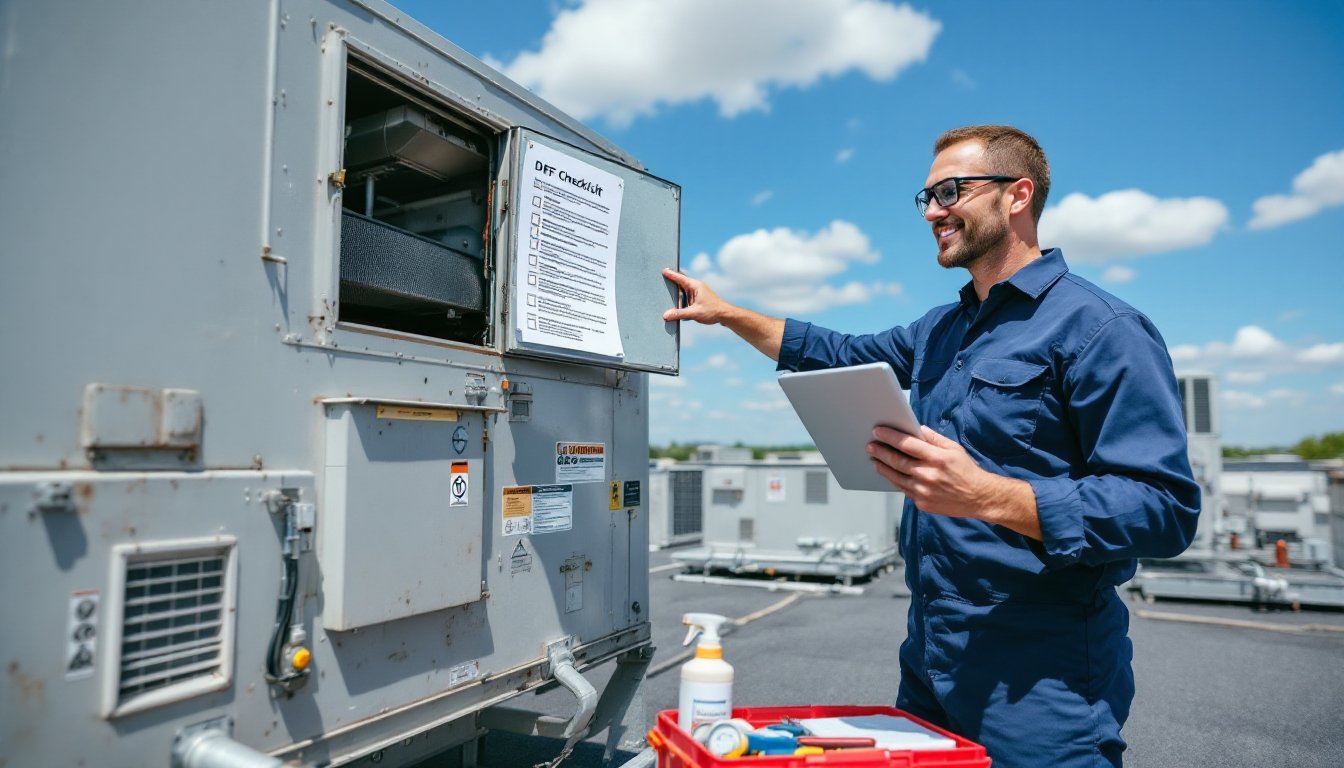
A structured seasonal maintenance checklist helps homeowners track what’s been done and when, reducing the risk of overlooked tasks that lead to breakdowns.
What to Look for in a Quality HVAC Maintenance Provider
Not all HVAC companies are equal. Some are one-person operations with decades of experience: others are regional chains with mixed crews. Your job is to separate the pros from the parts-swappers.
Look for local companies with established reputations. They’re more likely to stand behind their work because their business depends on word-of-mouth. National franchises can be solid, but you’re sometimes dealing with different techs on each visit.
Check online reviews, but read them critically. A few bad reviews among hundreds aren’t a red flag, perfection doesn’t exist. Watch for patterns: repeated complaints about no-shows, upselling, or unfinished work are dealbreakers. Platforms like Angi and HomeAdvisor aggregate reviews and often verify contractor credentials.
Ask for references from recent customers with similar systems. A company that specializes in new construction might not be the best fit for maintaining a 15-year-old heat pump.
Transparency matters. Quality providers will explain what they’re doing during a service call, show you dirty filters or worn parts, and offer options rather than hard-selling replacements. If a tech pressures you to replace a system without clear justification, like a cracked heat exchanger or failed compressor, get a second opinion.
Certifications, Licensing, and Insurance Requirements
HVAC work is regulated at the state and local level, and requirements vary widely. In most jurisdictions, technicians need a state-issued HVAC license to work on refrigerant systems. This typically requires passing the EPA Section 608 certification for handling refrigerants. Ask to see it.
NATE certification (North American Technician Excellence) is the gold standard for HVAC techs. It’s a voluntary credential that proves competency in installation, service, and repair. Not every good tech has it, but it’s a strong indicator of professionalism.
The company should carry general liability insurance and workers’ compensation. If a tech gets hurt on your property or damages your equipment, you don’t want to be liable. Ask for proof of insurance and verify it’s current.
Some states require a separate contractor’s license for HVAC businesses. Check your state’s licensing board website or ask the company directly. Unlicensed work can void equipment warranties and create liability issues if something goes wrong.
How to Find the Best HVAC Maintenance Companies in Your Area
Start with personal referrals. Ask neighbors, coworkers, or your local hardware store who they use. Real-world experience beats online reviews every time.
Search online using specific terms like “HVAC maintenance [your city]” or “furnace tune-up near me.” Google’s local pack shows the top-rated companies in your area with reviews, hours, and contact info. Don’t ignore the map results, proximity matters when you need emergency service.
Check the Better Business Bureau (BBB) for complaint history and resolution records. An A+ rating doesn’t guarantee excellence, but a pattern of unresolved complaints is a warning sign.
Your equipment manufacturer’s website often lists certified dealers and service providers in your area. These companies have met training and support requirements, which can be valuable if you have a newer or high-efficiency system.
Social media and neighborhood apps like Nextdoor can surface local companies that don’t invest heavily in online marketing but do excellent work. Read the comments, they’re often more candid than formal reviews.
Get at least three quotes for any maintenance plan or major service. This gives you a baseline for pricing and lets you compare what’s included. Be wary of quotes that are significantly lower than others, it might mean they’re cutting corners or planning to upsell later.
Many regions have contractor networks where homeowners can research pricing and service expectations to avoid overpaying for routine maintenance.
Questions to Ask Before Hiring an HVAC Technician
Before you commit, have a phone or in-person conversation. A reputable company will answer your questions without evasion.
“How long have you been in business, and do you specialize in residential or commercial work?” You want someone with experience on systems like yours.
“Are your technicians licensed and NATE-certified?” This matters more than company size.
“What’s included in a standard maintenance visit?” A thorough tune-up should include filter replacement, coil cleaning, refrigerant level check, electrical connection inspection, thermostat calibration, and a safety check on gas connections (for furnaces). If they say “we just change the filter,” keep looking.
“Do you offer a written estimate before starting work?” Verbal estimates lead to disputes. Get it in writing.
“What’s your policy on after-hours or emergency service?” Some companies charge double for nights and weekends: others include it in their service plans.
“Do you offer maintenance plans, and what’s the cost vs. individual visits?” Plans often include priority scheduling, discounts on repairs, and waived trip charges.
“Can you provide references from customers with similar systems?” If they hesitate, that’s a red flag.
“What brands do you typically work on?” Some techs are more familiar with certain manufacturers. If you have a Trane or Lennox system, find someone who services them regularly.
Adopting a systematic approach with organized maintenance checklists ensures homeowners don’t overlook critical service intervals.
Understanding HVAC Maintenance Costs and Service Plans
A one-time maintenance visit typically runs $80-$150 for a basic tune-up, depending on your region and system type. Heat pumps and dual-fuel systems cost more because they require checks on both heating and cooling components.
Many companies offer annual service plans ranging from $150-$300 per year. These usually include two visits (spring and fall), priority scheduling, discounts on repairs (often 10-20%), and waived diagnostic fees. If you need even one repair during the year, the plan often pays for itself.
Be cautious of plans that lock you into multi-year contracts with auto-renewal and cancellation penalties. A good company will let you opt in or out annually.
What’s typically included in a tune-up:
- Replace or clean air filter
- Inspect and clean evaporator and condenser coils
- Check refrigerant levels and test for leaks
- Inspect electrical connections and tighten if needed
- Lubricate motors and bearings
- Test thermostat calibration
- Inspect ductwork for leaks (visual check)
- Check condensate drain and clean if clogged
- Test safety controls and startup/shutdown sequence
What’s usually extra:
- Filter upgrades (HEPA, electrostatic)
- Duct cleaning (a separate service, typically $300-$500)
- Refrigerant top-offs (can run $100-$300 depending on type)
- Repairs to failed components
Pricing varies by region, system complexity, and company overhead. Urban areas and high-cost-of-living regions charge more. Get multiple quotes and compare line-item details, not just the bottom line.
Comparing the benefits of proactive maintenance checklists versus reactive repairs shows the long-term cost savings of regular service.
If a company pushes expensive add-ons during a routine visit, like UV lights, duct sealing, or air purifiers, without clear evidence of a problem, take time to research before committing. Some upgrades are worthwhile: others are pure profit margin.
Conclusion
Finding reliable HVAC maintenance near you doesn’t have to be complicated. Focus on licensed, insured, and certified technicians with solid local reputations. Ask the right questions, compare service plans, and don’t let price be your only deciding factor, quality work costs more upfront but saves money over the system’s lifespan. Your HVAC system is a major investment. Treat maintenance like you would any other essential home system, and it’ll keep your family comfortable for decades.