Table of Contents
ToggleCommercial HVAC systems represent a major capital investment, often tens or hundreds of thousands of dollars, and their failure can shut down a building’s operations in hours. Regular preventive maintenance keeps these systems running efficiently, extends their service life, and avoids emergency repair bills that can hit five figures. A structured checklist in PDF format gives facility managers, building owners, and maintenance teams a repeatable system to catch small issues before they become catastrophic failures. This guide walks through what belongs on that checklist, how to structure it for real-world use, and which tasks actually prevent the costly breakdowns that drain budgets.
Key Takeaways
- A commercial HVAC preventive maintenance checklist PDF prevents compressor failures costing $3,000–$12,000 and extends equipment lifespan from 12 to 20 years by catching small issues before they become catastrophic.
- Monthly maintenance tasks including filter inspection, thermostat calibration, and drain line clearing address high-wear items that directly impact system performance and energy efficiency.
- Quarterly and seasonal maintenance like refrigerant pressure verification, coil cleaning, and damper operation testing reduce emergency service calls by 60–80% compared to reactive repair approaches.
- Well-documented preventive maintenance records satisfy commercial lease requirements, insurance policies, and building code inspections while protecting facility managers from warranty denials and liability.
- Preventive maintenance contracts costing $150–$400 per unit quarterly save tens of thousands in emergency repairs while improving equipment efficiency and compliance with ASHRAE 90.1 energy standards.
- A properly structured checklist with clear acceptance criteria, equipment inventory, and safety warnings creates an operational system that integrates with facility management software and contractor documentation.
Why Commercial HVAC Preventive Maintenance Matters for Building Owners
Skipping preventive maintenance on commercial HVAC equipment shortens system lifespan by 30-50% and drives energy costs up by 15-25% as dirty coils, clogged filters, and worn belts force compressors and blowers to work harder. The difference between a rooftop unit lasting 12 years versus 20 often comes down to whether someone checked refrigerant levels, cleaned condenser coils, and replaced filters on schedule.
Most commercial leases and insurance policies require documented maintenance records. Without them, warranty claims get denied, and liability shifts to the building owner when a system failure damages tenant property or creates unsafe conditions. A PDF checklist creates that paper trail and proves due diligence.
Preventive maintenance also catches code violations before inspectors do. Many jurisdictions require annual inspections of commercial HVAC systems under the International Mechanical Code (IMC), and maintaining comprehensive maintenance records helps during permit renewals and occupancy certifications. Energy codes like ASHRAE 90.1 also mandate minimum efficiency standards, which poorly maintained equipment can’t meet.
The cost argument is straightforward: a preventive maintenance contract typically runs $150-400 per rooftop unit quarterly, while emergency compressor replacement starts at $3,000-8,000 plus lost productivity during downtime. Catching a refrigerant leak early costs $200-500 in repairs: ignoring it until the compressor burns out costs ten times that.
Essential Components of a Commercial HVAC Maintenance Checklist
A functional commercial HVAC checklist divides tasks by frequency, monthly, quarterly, and seasonal, and assigns clear responsibilities. Each task should include acceptance criteria (“filter pressure drop below 0.5″ W.C.”) rather than vague goals (“check filter”).
Monthly HVAC Inspection Tasks
Monthly tasks focus on consumables and high-wear items that affect system performance immediately:
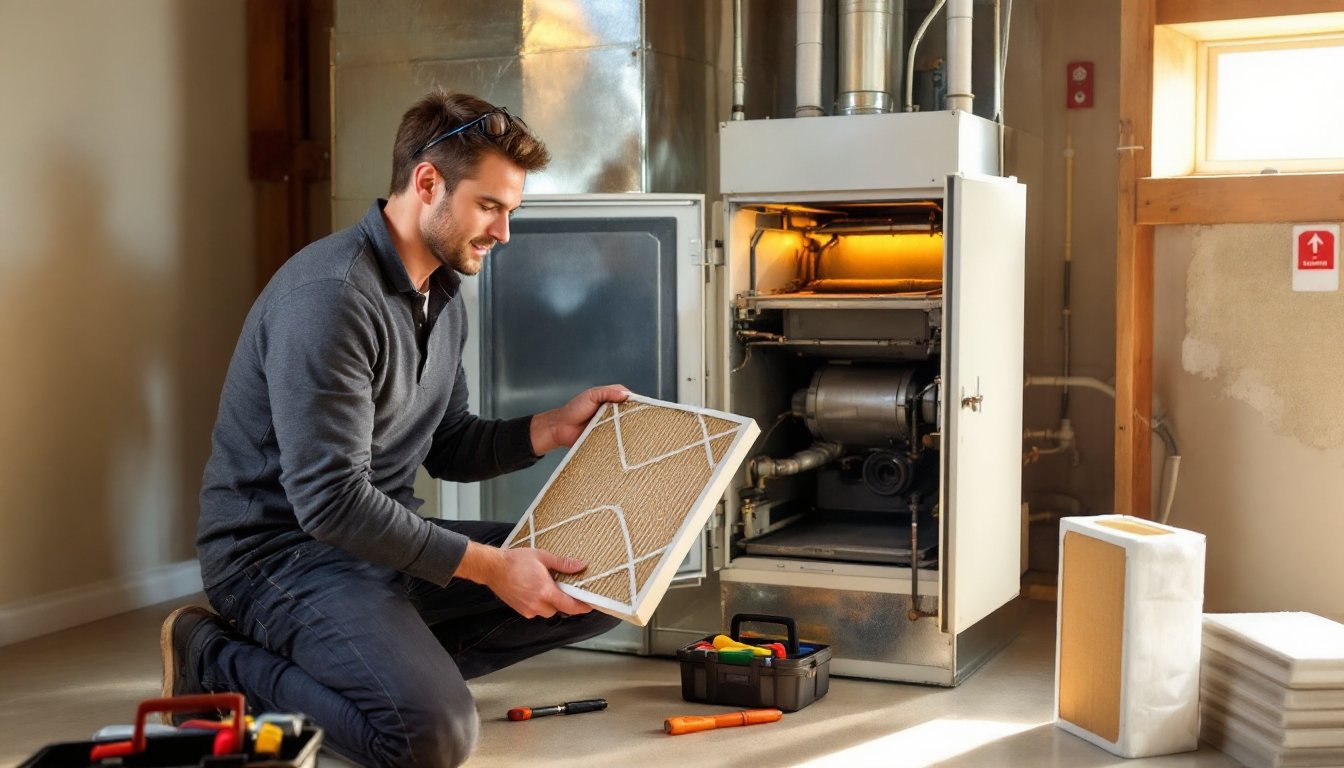
- Air Filter Inspection and Replacement: Check pressure drop across filters using a manometer. Replace pleated filters (MERV 8-13) when pressure drop exceeds manufacturer specs, typically 0.5-1.0 inches water column. For a 10-ton rooftop unit, that’s usually every 30-90 days depending on environment.
- Thermostat Calibration: Verify setpoints match actual space temperature within ±2°F. Recalibrate or replace faulty thermostats, a $30 fix that prevents compressor short-cycling.
- Drain Pan and Condensate Line Check: Clear condensate lines with compressed air or a wet/dry vacuum. A clogged line causes water damage and biological growth. Treat drain pans with algaecide tablets if needed.
- Belt Tension and Condition: Inspect blower belts for cracks, glazing, or fraying. Proper tension allows ½-inch deflection with moderate thumb pressure at belt center. Loose belts waste energy: over-tight belts wear bearings.
- Visual Inspection of Electrical Connections: Look for discolored terminals, burning smells, or loose wire nuts at disconnect boxes and contactors. Do this with power off and proper lockout/tagout procedures.
Using digital maintenance tracking tools helps teams log these monthly tasks consistently and flag overdue items before they escalate.
Quarterly and Seasonal Maintenance Requirements
Quarterly tasks dig deeper into mechanical and refrigeration components:
- Refrigerant Pressure and Charge Verification: Check suction and discharge pressures against manufacturer specs for ambient conditions. Low charge indicates leaks: overcharge kills compressor efficiency. Only EPA-certified technicians should add refrigerant.
- Condenser and Evaporator Coil Cleaning: Spray coils with coil cleaner and rinse with low-pressure water (under 300 psi to avoid fin damage). Dirty coils reduce capacity by 20-40%. Schedule this before cooling and heating seasons.
- Economizer and Damper Operation: Test outdoor air economizers in systems with them. Dampers should modulate smoothly: stuck dampers waste energy or cause freeze-ups.
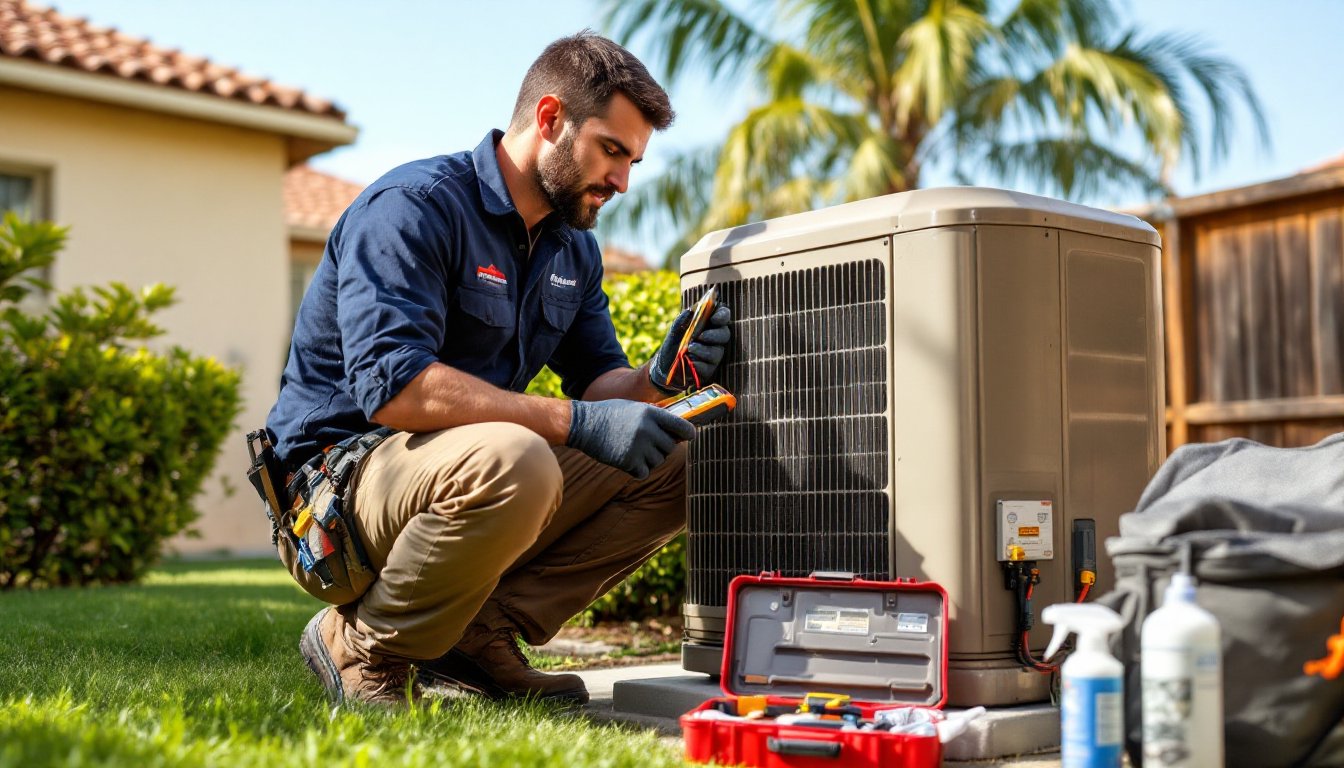
- Electrical Load and Amperage Draw: Use a clamp meter to measure amp draw on compressors, blowers, and condenser fans. Compare to nameplate ratings. A compressor drawing 15% over rated amps signals trouble.
- Lubrication of Motor Bearings: Grease motor bearings per manufacturer schedules, usually 2-4 pumps of high-temp grease semiannually. Over-greasing damages seals.
Seasonal prep before summer and winter prevents the emergency calls that cost triple after-hours rates. Building owners managing structured preventive schedules see 60-80% fewer emergency service calls than those relying on reactive repairs.
How to Create and Use Your Commercial HVAC Checklist PDF
Start with manufacturer maintenance schedules from equipment manuals, then adapt them to building-specific conditions. A warehouse in Phoenix needs more frequent coil cleaning than an office in Seattle due to dust and heat load differences.
Organize the PDF with these sections:
- Equipment Inventory: List each unit by location, model number, serial number, refrigerant type, and tonnage. Include emergency contact info for HVAC contractors.
- Task Frequency Tables: Separate monthly, quarterly, and annual tasks into distinct tables. Include checkbox columns for completion dates and technician initials.
- Acceptance Criteria: Define pass/fail standards for each task (“fan motor amp draw: 8.5-9.2A” not “check motor”).
- Safety Warnings: Bold all tasks requiring lockout/tagout, confined space entry, or refrigerant handling. Reference OSHA 29 CFR 1910.147 for lockout procedures.
- Parts and Supplies List: Track filter sizes, belt numbers, and refrigerant quantities. Prevents ordering wrong parts during urgent repairs.
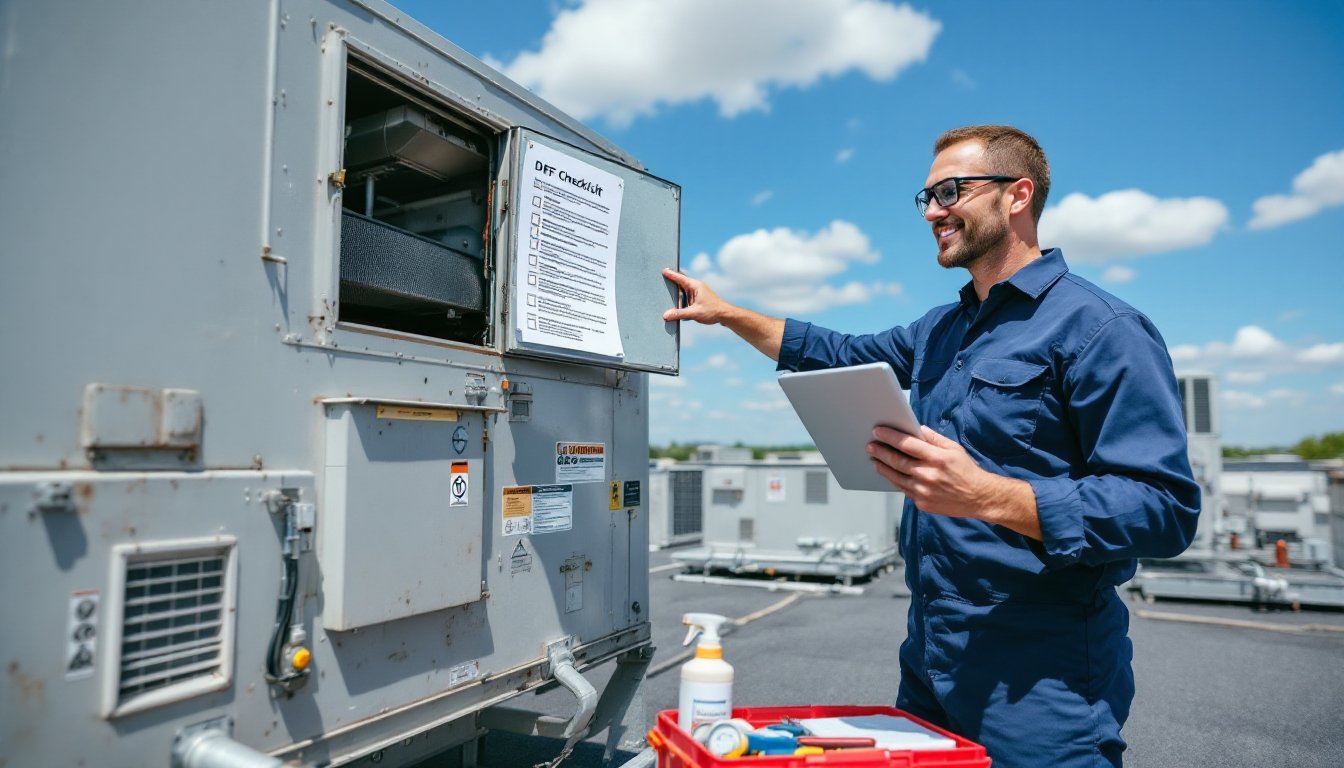
Print the PDF and keep copies near equipment or in the facility office. Digital versions work on tablets for technicians in the field, but paper backups prevent “lost” records when tablets die.
For multi-building portfolios, create standardized templates for similar equipment types, then customize site-specific details. A property manager overseeing twelve buildings can use one core checklist with location-specific amendments rather than twelve unique documents.
Schedule tasks in facility management software or a shared calendar with automatic reminders two weeks before due dates. Commercial HVAC service contracts often include checklist completion as a deliverable: verify contractor documentation matches your internal checklist to catch skipped tasks.
Common Commercial HVAC Issues Preventive Maintenance Can Avoid
Most commercial HVAC failures trace back to skipped or incomplete maintenance. According to data from professional cost estimators, these failures drain facility budgets predictably:
Compressor Failure ($3,000-12,000): Caused by low refrigerant from leaks, dirty coils reducing heat rejection, or failed contactors. Monthly refrigerant checks and quarterly coil cleaning prevent 80% of compressor burnouts.
Frozen Evaporator Coils ($500-2,000 in lost cooling plus repair): Results from restricted airflow (dirty filters), low refrigerant, or stuck blower relays. Monthly filter changes and airflow verification eliminate this.
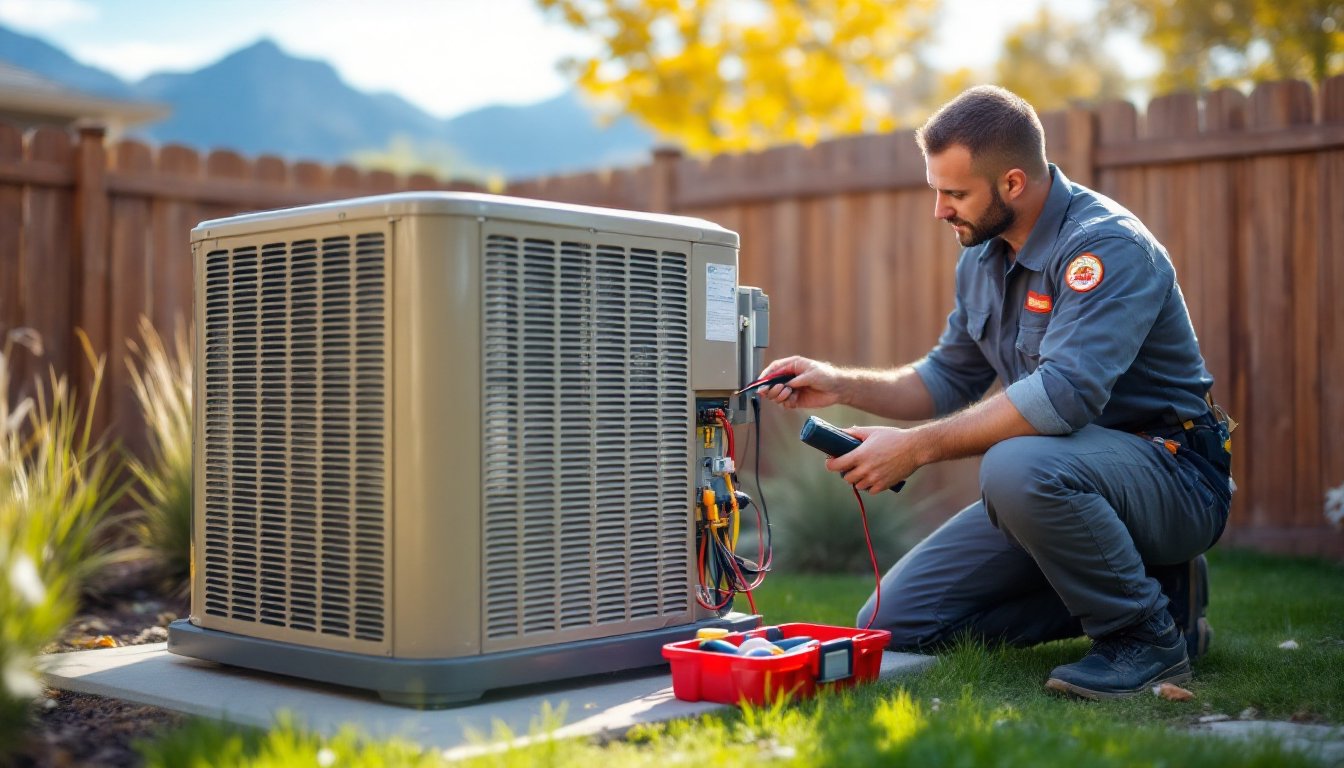
Electrical Component Failure ($200-3,000): Loose connections, dirty contactors, and failed capacitors account for 30-40% of service calls. Visual electrical inspections during monthly checks catch discolored terminals and arcing before components fail.
Water Damage from Drain Clogs ($1,000-50,000+ in tenant improvements): Clogged condensate drains overflow and destroy ceilings, finishes, and equipment below. Monthly drain checks prevent nearly all of these incidents, which often trigger insurance claims and tenant disputes.
Economizer Stuck Open in Winter ($500-2,000 in wasted heat): Dampers that don’t close bring in frigid outdoor air, forcing heating systems to work overtime. Quarterly damper operation tests during seasonal prep catch this before energy bills spike.
Facility managers using effective maintenance workflows report 50-70% reductions in unplanned downtime compared to reactive maintenance approaches. Research from renovation cost tracking sources shows well-maintained commercial HVAC systems maintain 85-95% of their original efficiency over a 15-year lifespan, while neglected systems drop to 60-70% efficiency within 7-10 years.
Permit and code violations also decrease with documented maintenance. Building inspectors in most jurisdictions require annual mechanical inspections for commercial occupancy permits, and incomplete maintenance records can trigger re-inspection fees or delayed renewals. Implementing systematic checklist approaches creates the documentation trail that satisfies inspectors and insurance underwriters.
Conclusion
A commercial HVAC preventive maintenance checklist in PDF format isn’t optional for serious building operators, it’s the difference between predictable operating costs and budget-destroying emergency repairs. The tasks themselves aren’t complicated: change filters, check refrigerant, clean coils, verify electrical connections. The discipline to do them on schedule separates 20-year equipment lifespans from 10-year failures. Print the checklist, assign responsibilities, set calendar reminders, and stick to it. The compressor replacement you avoid will pay for a decade of preventive service.