
Table of Contents
ToggleThe best maintenance checklists prevent costly breakdowns and extend the life of equipment, vehicles, and facilities. Without a structured approach, teams miss critical tasks. Small oversights become expensive repairs. A well-designed checklist keeps operations running smoothly and reduces unexpected downtime.
Maintenance checklists serve as practical guides for technicians and facility managers. They standardize procedures, improve accountability, and ensure nothing falls through the cracks. Whether managing a fleet of vehicles, a manufacturing plant, or a commercial building, the right checklist makes all the difference.
Key Takeaways
- The best maintenance checklists can reduce equipment breakdowns by up to 70% and significantly lower repair costs.
- Effective checklists include clear task descriptions, logical order, space for notes, and completion verification fields.
- Different assets require different checklist types—preventive, inspection, facility, equipment-specific, and seasonal.
- Creating a maintenance checklist involves identifying assets, gathering manufacturer requirements, drafting clear tasks, and refining based on technician feedback.
- Regularly review and update your maintenance checklists to reflect new failure patterns and changing operational needs.
- Well-designed checklists improve safety, simplify training, and provide documentation for audits and compliance.
Why Maintenance Checklists Matter
Maintenance checklists reduce human error. Even experienced technicians forget steps when they rely on memory alone. A written checklist ensures consistency across every inspection and service task.
Organizations that use maintenance checklists report fewer equipment failures. According to industry studies, preventive maintenance programs can reduce breakdowns by up to 70%. That translates to less downtime and lower repair costs.
Checklists also improve safety. They prompt workers to inspect critical components that could cause accidents if neglected. Brake systems, electrical connections, and safety guards all need regular attention. A maintenance checklist ensures these items get checked on schedule.
Documentation becomes easier with checklists. Teams can track completed work, identify recurring issues, and demonstrate compliance during audits. This paper trail protects organizations from liability and helps justify maintenance budgets.
Finally, maintenance checklists support training efforts. New employees learn proper procedures faster when they follow a structured guide. The checklist becomes a teaching tool that reinforces best practices.
Types of Maintenance Checklists for Every Need
Different assets require different maintenance checklists. Here are the most common types:
Preventive Maintenance Checklists
Preventive maintenance checklists schedule routine tasks before problems occur. They include oil changes, filter replacements, belt inspections, and lubrication. These checklists follow manufacturer recommendations and industry standards. Most preventive maintenance checklists operate on time-based or usage-based intervals.
Inspection Checklists
Inspection checklists focus on visual and functional assessments. Technicians check for wear, damage, leaks, and abnormal sounds. These checklists help catch early warning signs before they become failures. Daily walk-around inspections for vehicles and equipment often use this format.
Facility Maintenance Checklists
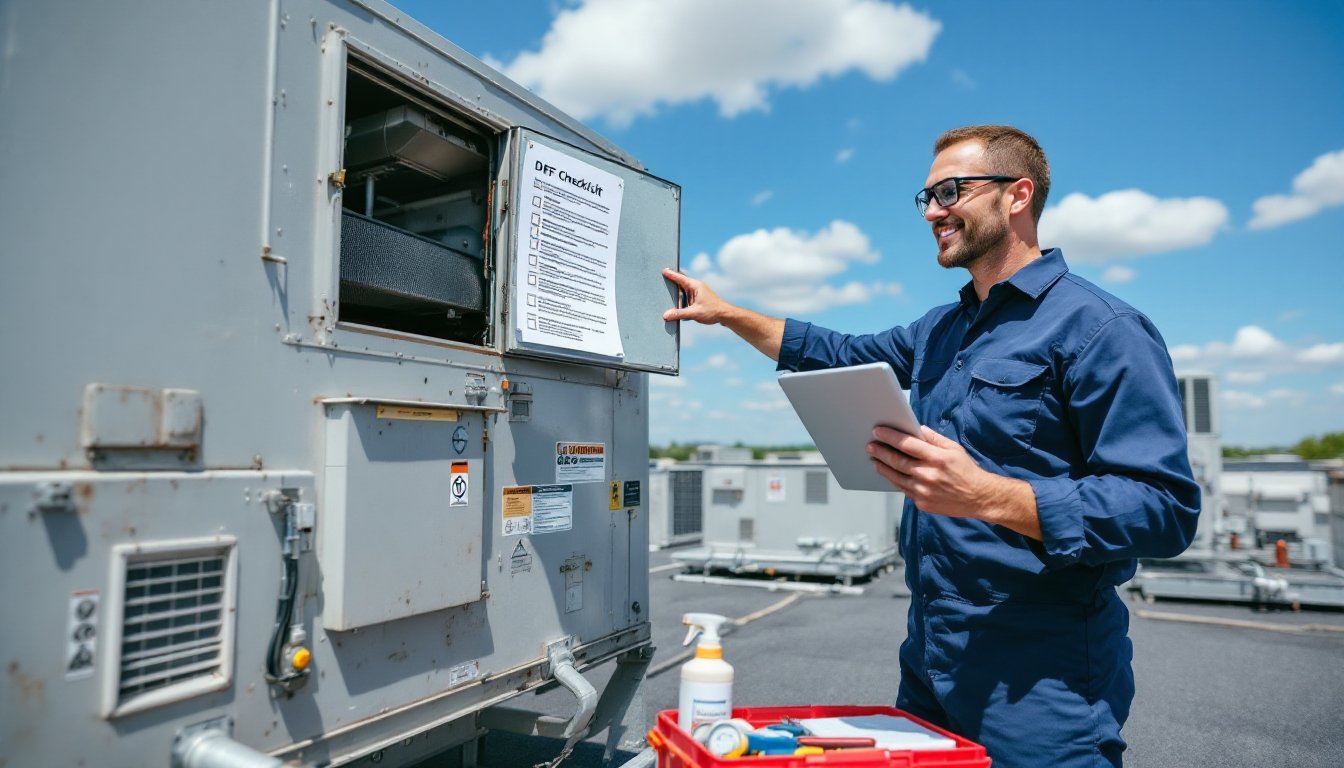
Facility maintenance checklists cover buildings and infrastructure. They include HVAC systems, plumbing, electrical panels, roofing, and fire safety equipment. Property managers use these checklists to maintain tenant satisfaction and regulatory compliance.
Equipment-Specific Checklists
Equipment-specific maintenance checklists target individual machines or asset types. A CNC machine checklist differs from a forklift checklist. Each addresses the unique components and failure modes of that equipment. Manufacturers often provide baseline checklists that organizations can customize.
Seasonal Maintenance Checklists
Seasonal checklists prepare assets for changing weather conditions. Winterizing equipment, servicing air conditioning units before summer, and clearing gutters in fall are typical examples. These checklists prevent weather-related damage and performance issues.
Essential Elements of an Effective Maintenance Checklist
Not all maintenance checklists perform equally. The best maintenance checklists share certain characteristics that make them practical and effective.
Clear Task Descriptions
Each item should describe exactly what the technician needs to do. “Check oil” is vague. “Check oil level and add if below minimum mark” is actionable. Specific instructions reduce confusion and ensure consistent results.
Logical Task Order
Arrange tasks in a sequence that makes sense. Group related items together. Follow a physical flow through the equipment or facility. A logical order saves time and prevents backtracking.
Space for Notes and Readings
Include fields for measurements, observations, and comments. Tire pressure readings, temperature values, and fluid levels need documentation. These records help identify trends and support troubleshooting.
Completion Verification
Provide checkboxes or signature lines for each task. This creates accountability and confirms the work was done. Some organizations require supervisor sign-off for critical maintenance items.
Date and Asset Identification
Every maintenance checklist needs a date field and clear asset identification. Serial numbers, equipment IDs, or location codes link the checklist to the correct asset in your records.
Reference Information
Include specifications, torque values, or safety warnings where needed. Technicians shouldn’t have to hunt for manuals during routine maintenance. Put key reference data right on the checklist.
How to Create and Implement Your Own Checklist
Building a maintenance checklist takes planning, but the process doesn’t have to be complicated.
Step 1: Identify Your Assets
List all equipment, vehicles, and facilities that need regular maintenance. Prioritize based on criticality and replacement cost. High-value assets and safety-critical equipment deserve the most attention.
Step 2: Gather Requirements
Review manufacturer manuals for recommended maintenance intervals and procedures. Consult with technicians who work on the equipment daily. They know which components fail most often and what inspections matter most.
Step 3: Draft the Checklist
Write clear, action-oriented task descriptions. Organize them logically. Include all essential elements discussed above. Keep the format simple, cluttered checklists get ignored.
Step 4: Test and Refine
Have technicians use the draft checklist on actual maintenance jobs. Collect feedback. Are any tasks unclear? Is the order awkward? Does it take too long? Revise based on real-world experience.
Step 5: Train Your Team
Introduce the maintenance checklists during team meetings or training sessions. Explain why each item matters. Answer questions and address concerns. Buy-in from technicians determines whether checklists get used properly.
Step 6: Review and Update Regularly
Maintenance checklists aren’t permanent documents. Review them quarterly or annually. Add new items when you discover failure patterns. Remove tasks that no longer apply. Keep your checklists current with your actual operations.