Table of Contents
TogglePasadena’s Mediterranean climate is a double-edged sword. Mild winters are great, but summers regularly hit the 90s, and when an air conditioner fails mid-July, it’s not just uncomfortable: it’s a health risk. Most AC breakdowns don’t happen randomly. They’re the result of months or years of neglected maintenance: clogged filters choking airflow, refrigerant leaks sapping efficiency, or condensate drains backing up and damaging ceilings. The good news? Routine maintenance catches most problems before they become expensive emergencies. Some tasks homeowners can handle themselves with basic tools and half an hour. Others require a licensed HVAC technician with gauges and EPA certification. This guide breaks down what to do, when to do it, and when to call in the pros.
Key Takeaways
- AC maintenance in Pasadena is critical in the hot, dusty climate—neglected systems fail 4-7 years earlier than well-maintained units, turning a $300 repair into a $2,500 compressor replacement.
- Homeowners can handle high-impact DIY tasks like replacing filters monthly, clearing outdoor coil debris, and checking condensate drains, but refrigerant work and electrical repairs require EPA-certified technicians.
- A well-maintained AC system uses 5-15% less electricity than a neglected one, saving $15-$40 monthly in Pasadena’s summer heat—maintenance pays for itself in energy savings alone.
- Schedule AC maintenance in March before cooling season begins to catch problems early and avoid emergency calls during heat waves when contractor availability is lowest.
- Pasadena’s dry heat and San Gabriel Valley particulates clog filters faster than other climates; replace or clean filters every 30-60 days and clear outdoor condenser coils monthly to maintain efficiency.
Why Regular AC Maintenance Matters in Pasadena’s Climate
Pasadena’s dry heat and dust make AC systems work harder than in humid climates. The San Gabriel Valley traps particulates, pollen, smog, and fine dirt, that clog filters and coat condenser coils. A dirty coil can reduce cooling efficiency by 15–20%, forcing the compressor to run longer and driving up electric bills.
Neglected systems fail faster. The average central air conditioner lasts 12–15 years with regular maintenance, but that drops to 8–10 years without it. Compressor replacements alone run $1,200–$2,500, often more than half the cost of a new system. Catching a refrigerant leak early might cost $300 to fix: ignoring it until the compressor burns out costs thousands.
Energy bills tell the story. A well-maintained unit uses 5–15% less electricity than one running on dirty filters and low refrigerant. In Pasadena’s summer heat, that’s $15–$40 per month in savings. Over a decade, maintenance pays for itself several times over.
Local contractors on HVAC service directories report that most emergency calls during heat waves stem from issues that routine check-ups would have prevented. Capacitor failures, clogged drain lines, and blower motor problems rarely happen without warning signs.
Essential DIY AC Maintenance Tasks Pasadena Homeowners Can Handle
Not every AC task requires a service call. Homeowners comfortable with basic tools can handle several high-impact maintenance jobs that keep systems running efficiently between professional visits.
Filter Changes and Cleaning
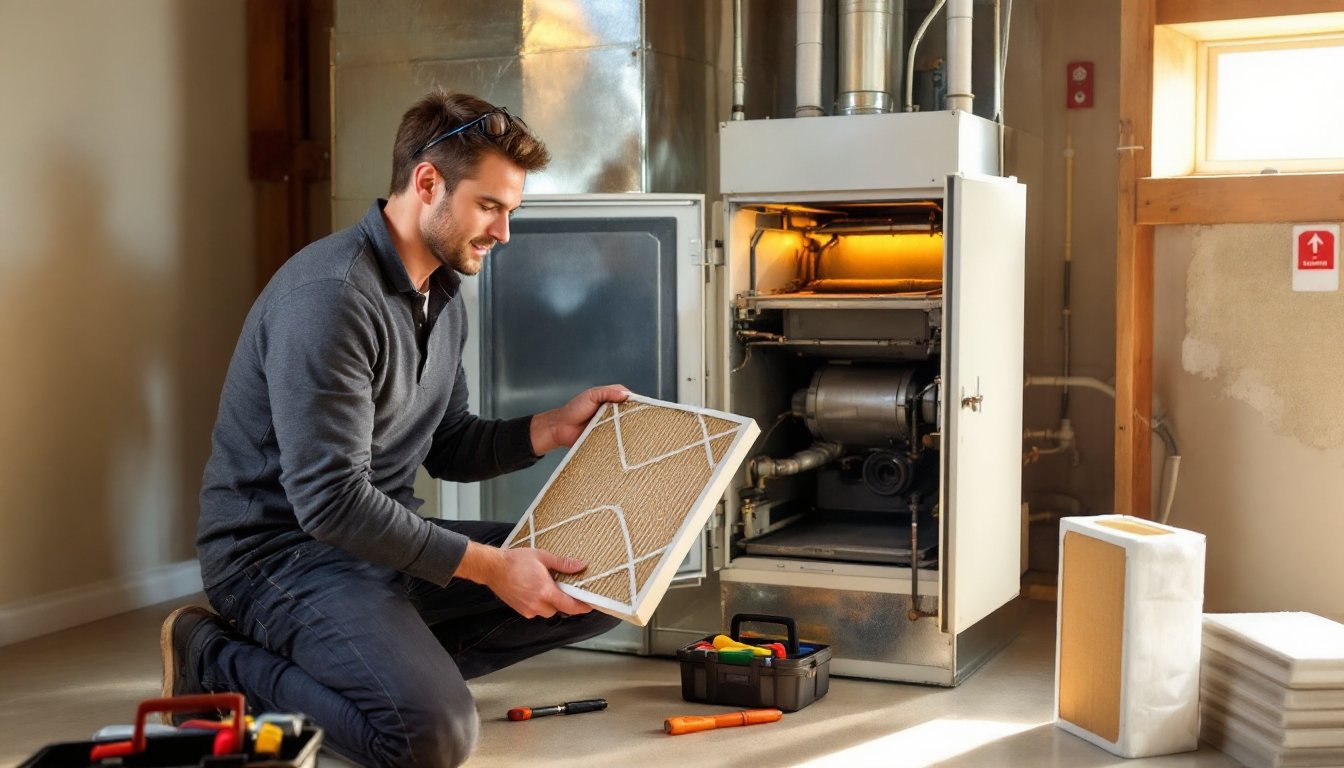
Replace or clean filters every 30–60 days during cooling season. Pasadena’s dust load shortens filter life compared to coastal areas. Standard 1-inch fiberglass filters ($1–$3 each) need monthly replacement. Pleated filters rated MERV 8–11 ($8–$15) last 60–90 days and trap finer particles but restrict airflow if left too long.
Locate the return air grille, usually a large vent on a wall or ceiling, or a slot in the furnace cabinet. Slide out the old filter and note the airflow direction arrows printed on the frame. Install the new filter with arrows pointing toward the blower.
Reusable electrostatic filters exist, but they require monthly washing and full drying before reinstallation. Humid filters grow mold. If you go this route, buy two so one’s always ready.
Safety note: Turn off the system at the thermostat before changing filters. Running the blower without a filter, even briefly, pulls dust straight into the evaporator coil and blower wheel.
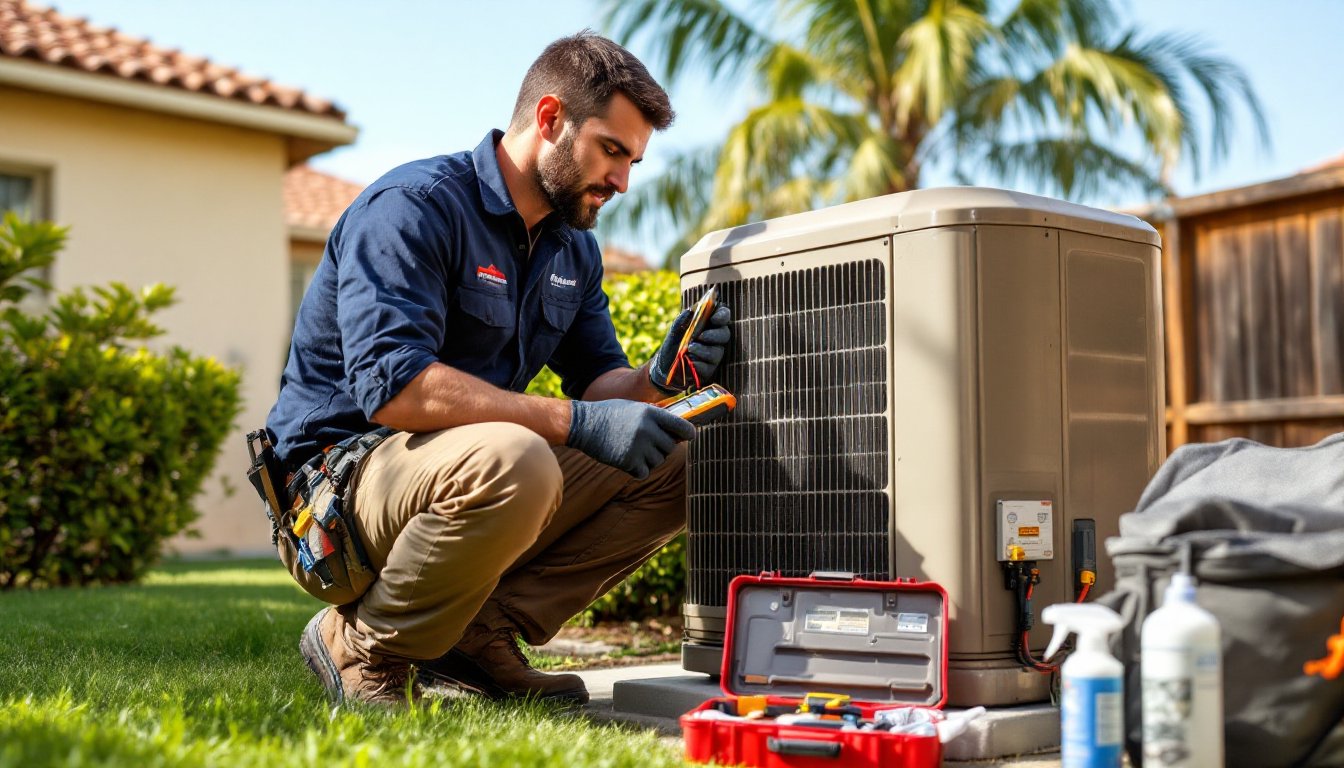
Outdoor Unit Care and Debris Removal
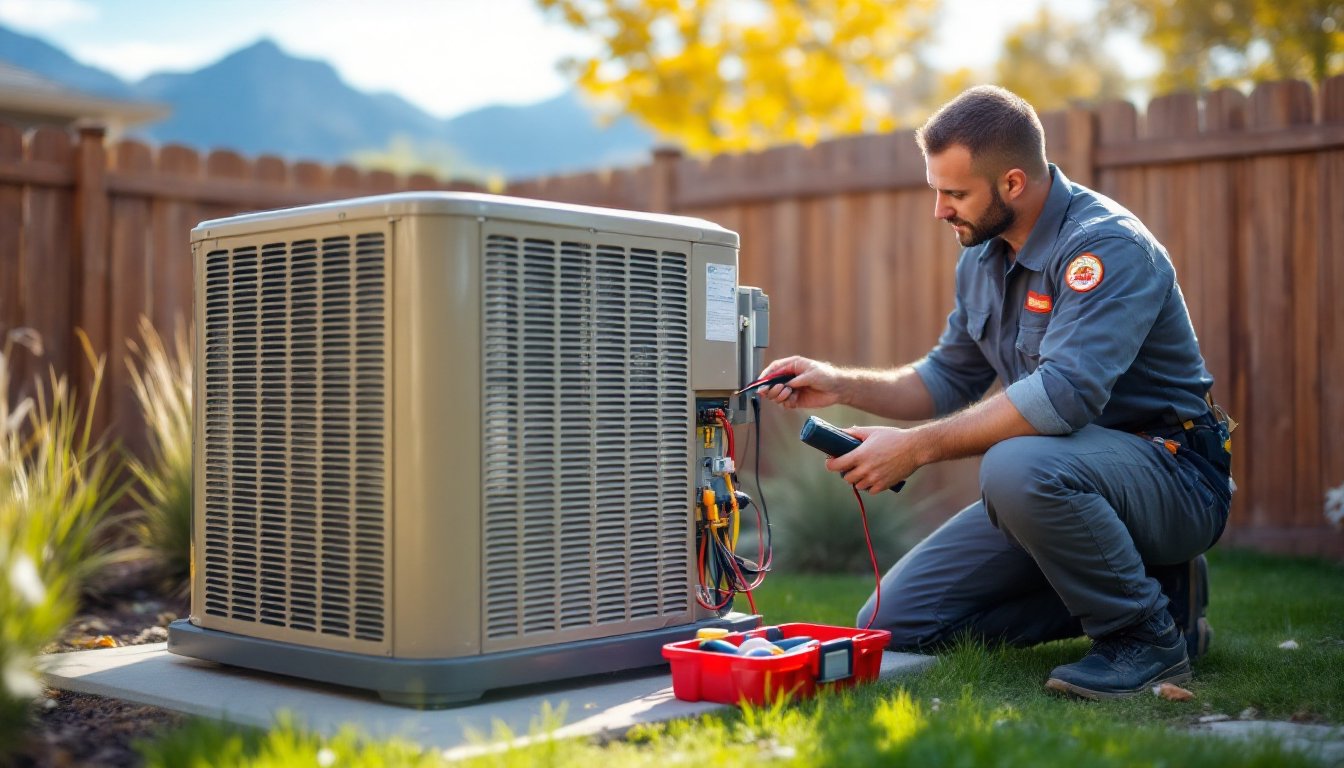
The condenser unit outside does the heavy lifting, it dissipates heat absorbed from inside your home. When the aluminum fins on the coil get blocked, the system can’t reject heat efficiently, and pressures rise.
Every month during cooling season:
- Turn off power at the disconnect box near the unit (a metal box with a pull-out fuse block or breaker switch).
- Remove debris: Pull out leaves, grass clippings, and cottonwood fluff from the top grille and around the base. Pasadena’s landscape debris accumulates fast.
- Straighten bent fins: Use a fin comb ($8–$12 at hardware stores) or a butter knife. Work gently, fins are thin and tear easily.
- Spray the coil: From inside out, use a garden hose on low pressure. High-pressure washers bend fins. Commercial coil cleaner ($10–$15) helps with caked-on grime, but follow label instructions, some formulations require rinsing.
- Clear vegetation: Trim shrubs and weeds to maintain 2 feet of clearance on all sides. Airflow matters.
Don’t open the unit’s electrical panel or attempt to clean the inside unless you’re comfortable working around capacitors, which store lethal voltage even when power’s off.
Check the concrete pad. If it’s settled or tilted, the unit may vibrate excessively or develop refrigerant line stress cracks. Shimming a pad is a one-hour job with composite shims (not wood, which rots), but if the tilt is severe, call a pro.
When to Call a Professional for AC Maintenance in Pasadena
Some tasks require EPA Section 608 certification, specialized tools, or knowledge of California mechanical codes. Attempting them without training risks injury, equipment damage, or code violations.
Refrigerant work is strictly a pro job. Federal law prohibits unlicensed handling of refrigerants. Low refrigerant always means a leak, systems don’t “use up” refrigerant. A technician will find the leak, repair it, evacuate the lines with a vacuum pump, and recharge to the nameplate specification. DIY recharge kits sold at auto parts stores are for car AC, not home systems, and usually lead to overcharging and compressor damage.
Electrical issues, tripped breakers that won’t reset, humming from the condenser with no fan spin, burning smells, or a completely non-responsive system, require a licensed HVAC tech or electrician. Capacitors, contactors, and compressors carry high voltage and can cause serious injury.
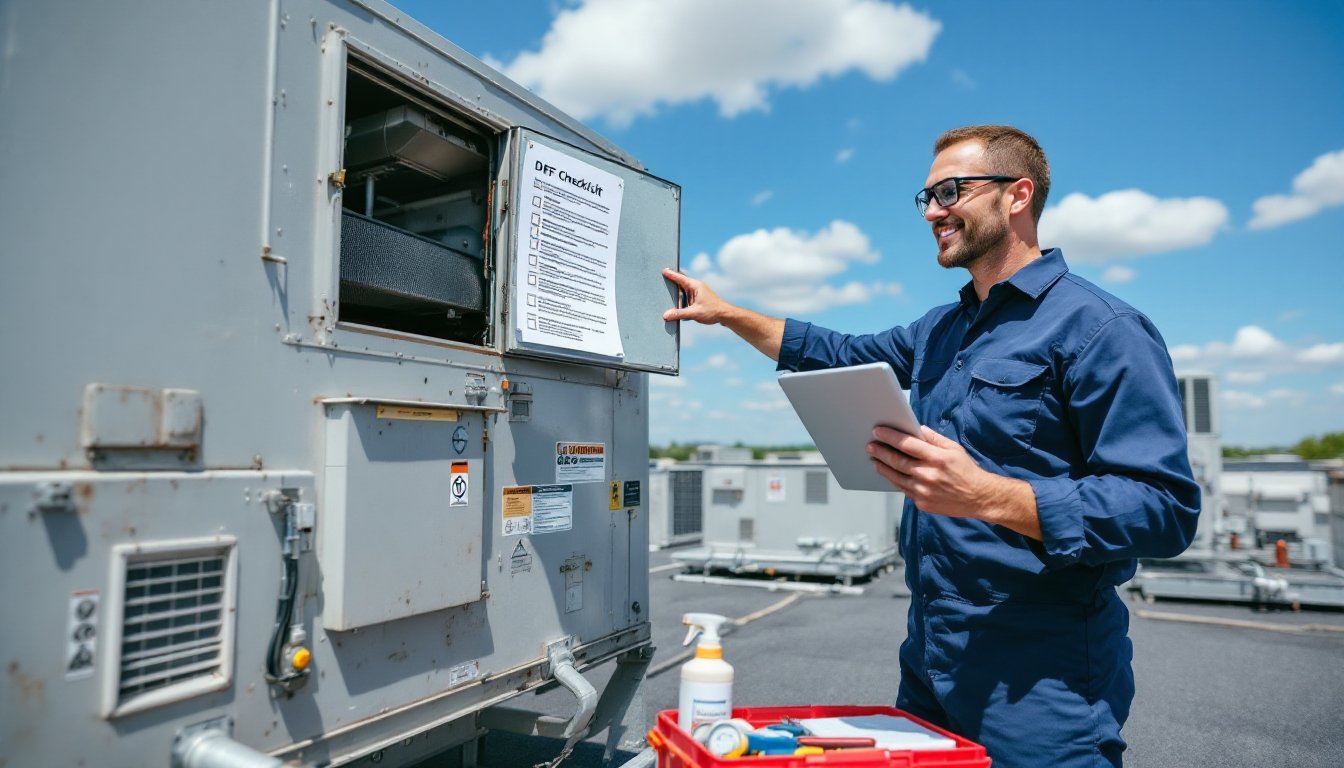
Annual tune-ups should include tasks homeowners can’t easily do: measuring refrigerant pressures and superheat, checking amp draw on motors, testing capacitors with a multimeter, inspecting electrical connections for corrosion, cleaning the evaporator coil (inside the air handler, often inaccessible without removing panels), clearing the condensate drain with a wet vac or CO₂ cartridge, and verifying the thermostat calibration.
Cost estimates for professional maintenance in Pasadena typically run $80–$150 for a standard tune-up, though pricing resources like homeowner cost calculators show variations based on system age and accessibility. Expect to pay more if the tech finds issues requiring repair.
Ductwork problems, uneven cooling, excessive dust, or rooms that never reach temperature, often need duct sealing or balancing. Leaky ducts waste 20–30% of cooled air in attics or crawlspaces. Mastic sealant (not cloth duct tape, which fails in heat) or Aeroseal injection fixes this, but proper diagnosis requires a duct blaster test.
If your system is over 10 years old, uses R-22 refrigerant (phased out in 2020), or needs a major component replacement, get a second opinion on repair-versus-replace. Installation of new systems in California requires permits and Title 24 energy compliance calculations.
Seasonal AC Maintenance Checklist for Pasadena Homes
Pasadena’s cooling season stretches from April through October. Maintenance timing matters, don’t wait until the first 95-degree day in June to discover problems.
March (Pre-Season):
- Schedule a professional tune-up before demand spikes. HVAC companies offer better availability and sometimes early-bird discounts.
- Replace filters.
- Inspect the outdoor unit for winter damage (corrosion, nests, or bent fins).
- Test the system: Set the thermostat 5 degrees below room temp and verify cold air flows from all vents within 10 minutes.
April–October (Cooling Season):
- Replace/clean filters monthly.
- Hose down the condenser coil monthly (after turning off power).
- Check the condensate drain line. Pour a cup of distilled white vinegar down the drain every 60 days to prevent algae buildup. If the safety float switch trips or water backs up, the line’s clogged, clear it with a wet vac or call a tech.
- Listen for unusual noises: grinding, squealing, or rattling often signals worn bearings or loose parts.
November (Post-Season):
- Replace the filter one last time.
- Cover the top of the outdoor unit (not the sides) with a breathable cover or plywood to keep out leaves and debris. Never use plastic, it traps moisture and promotes corrosion.
- If you have a heat pump, skip the cover: the unit runs year-round.
Project planning tools on renovation resource sites often include HVAC maintenance in seasonal home checklists, which help homeowners track tasks alongside other upkeep work.
Thermostat management extends system life. Set the temperature to 78°F when home, higher when away. Programmable or smart thermostats prevent unnecessary runtime. Avoid setting the thermostat below 72°F, evaporator coils can freeze at low indoor temperatures combined with low outdoor temps or restricted airflow.
Conclusion
AC maintenance isn’t glamorous, but it’s the difference between coasting through Pasadena summers and sweating through a midday compressor failure. Handle the basics, filters, coil cleaning, debris removal, yourself, and bring in a licensed tech annually for the tasks that require gauges and certification. The hour you spend on maintenance each month buys years of reliable cooling and hundreds in avoided repairs.