
Table of Contents
ToggleRotohallblank is a mechanical method for cutting and finishing hollow cylinders. The term describes a set of tools and steps used in metal and composite shop work. It serves fabricators who need precise, repeatable internal features. This introduction states purpose and scope. The article defines rotohallblank, explains how it works, and shows when to choose it.
Key Takeaways
- RotoHallBlank is a rotary hollow blanking process that ensures precise and consistent internal diameters for hollow cylinders like tubes and pipe fittings.
- This method reduces cycle time and scrap by combining sizing and finishing in one step, making it ideal for medium-volume production and prototypes.
- RotoHallBlank machines vary from manual to fully CNC, with CNC variants providing flexibility, multi-pass programming, and automatic tool changes for complex parts.
- The process suits materials such as stainless steel, aluminum, and some composites, primarily in automotive, aerospace, and hydraulic industries requiring tight internal tolerances.
- RotoHallBlank is best chosen over broaching, internal grinding, or reaming when repeatability, fast cycle times, and tubular part machining are critical, but it is less suitable for noncylindrical or highly irregular bore shapes.
- Decision factors include machine capability, part geometry, run length, tooling costs, and floor space, making rotohallblank a strong option for accurate internal machining of cylindrical components.
What Is RotoHallBlank? A Clear Definition And Practical Context
RotoHallBlank is a process name for rotary hollow blanking. It refers to machines that spin a workpiece while a cutter removes internal material. The system creates consistent inner diameters and smooth internal surfaces. Shops use rotohallblank for tubes, sleeves, and pipe fittings. Engineers specify rotohallblank when they need tight internal tolerances and fast cycle times. The term also covers tooling sets and fixtures used in a cell. Designers rate rotohallblank by run length, repeatability, and surface finish. Operators select rotohallblank when welding or casting alone cannot meet dimensional needs. The method fits both low-volume prototypes and medium-volume production. Buyers compare rotohallblank to broaching, internal grinding, and reaming before choosing it. RotoHallBlank yields predictable results when the material and geometry match the machine capabilities.
How RotoHallBlank Works: Process, Mechanics, And Typical Use Cases
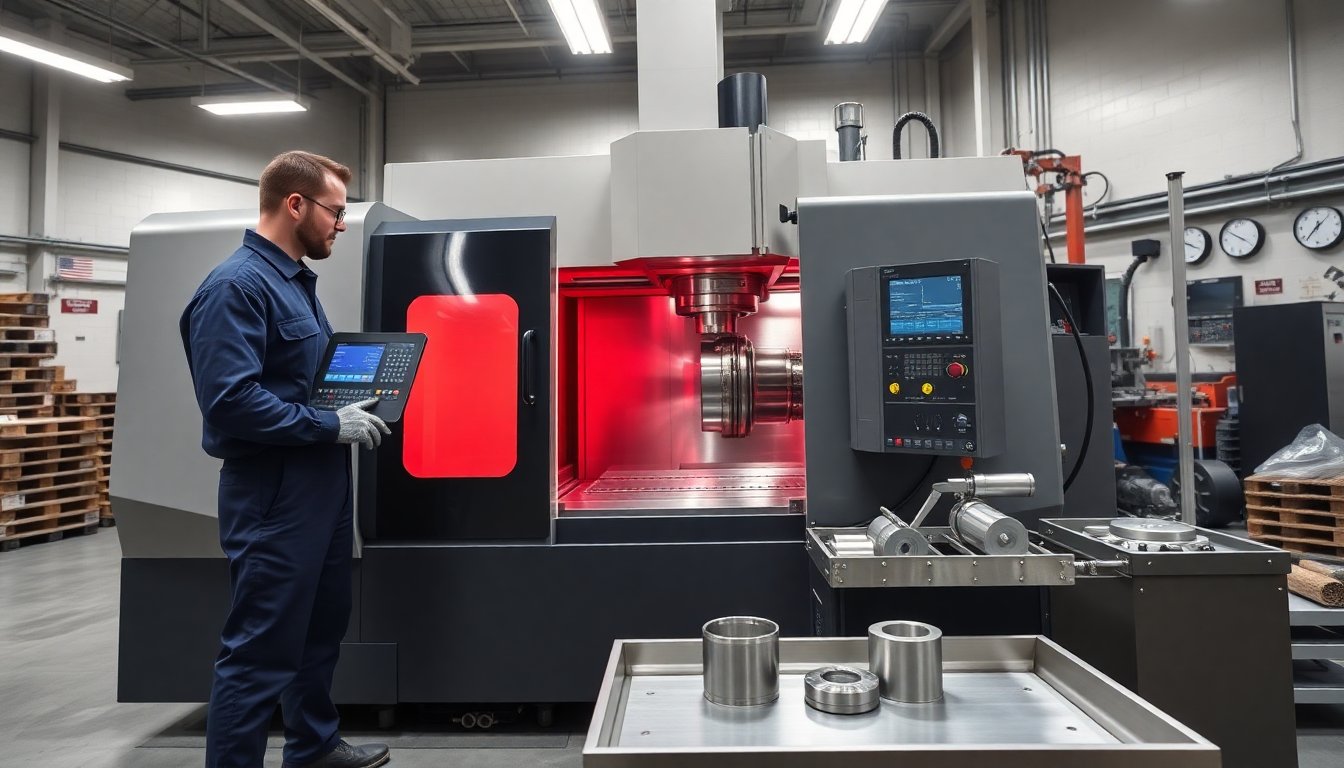
RotoHallBlank works by holding a hollow workpiece on a spindle. The machine spins the part at controlled speed. A cutter moves axially or radially to remove internal metal. Coolant flows to clear chips and control heat. Sensors read position and torque. A controller adjusts feed and speed for consistent cuts. Operators set tool offsets and inspect first parts. The process repeats until the batch completes.
Shops use rotohallblank for several tasks. They use it for sizing the inner bore after welding. They use it to remove core material after casting. They use it to produce stepped bores and short flutes. The method suits stainless steel, aluminum, and some composite liners. Typical industries include automotive, hydraulic components, and aerospace secondary machining. The process reduces scrap by achieving target diameters quickly. It also lowers cycle time compared to multiple manual operations.
The machine types vary by axis count and spindle design. Single-spindle machines handle simple bores. Multi-spindle rotary heads handle complex internal shapes. CNC rotohallblank machines let programmers define multiple passes. Manual rigs still exist for field repair work. Shops choose the machine based on part volume, tolerance needs, and floor space.
Key Components And Variations Of RotoHallBlank
A rotohallblank cell has four main components. It has a spindle that holds the workpiece. It has one or more cutters that remove material. It has a drive system that controls speed and torque. It has a coolant and chip removal system.
Cutters come in many shapes. Single-point inserts cut soft metals quickly. Multi-edge inserts cut harder alloys with less vibration. Reaming-style cutters improve surface finish. Expandable mandrels support thin-walled parts. Collapsible chucks allow internal gripping during machining. Toolholders mount on linear slides or live turrets.
Variations include manual, semi-automatic, and fully CNC units. Manual units fit low-volume repair tasks. Semi-automatic units add indexing and chip conveyors for steady batches. CNC units add axial programming, live tooling, and automatic tool changers. Shops may add probes for in-process measurement. Some cells include part loading robots to reduce labor cost.
Material handling changes by variant. Low-volume cells use hand loading. Production cells use feeders and conveyors. The cell design affects takt time and floor layout. Engineers balance cost against throughput when they specify a rotohallblank variant.
Benefits, Limitations, And When To Choose RotoHallBlank Over Alternatives
RotoHallBlank delivers several clear benefits. It achieves tight internal diameters in fewer passes. It produces consistent surface finish with proper tooling. It reduces part handling by combining sizing and finishing in one step. It often lowers total cycle time versus separate milling and reaming steps. It works well for cylindrical parts with long length-to-diameter ratios.
The method also has limits. It needs a machine that fits the part size. It struggles with highly irregular internal geometries. It can introduce chatter if the workpiece lacks support. It requires tooling setup and initial programming time. For one-off shapes, broaching or internal turning may cost less.
Decision criteria help teams choose rotohallblank. They choose it when repeatability and cycle time matter. They choose it when internal diameter tolerance falls within machine capability. They avoid it when the bore shape is noncylindrical or when the part cannot mount securely. They prefer alternatives when the part needs many internal features that only multi-axis internal milling can create.
Cost comparisons favor rotohallblank for medium runs. The machines amortize over thousands of parts. CNC rotohallblank adds flexibility for mixed production. Manual units suit field work and urgent repairs. Teams weigh tooling cost, floor space, and operator skill when they decide. RotoHallBlank remains a strong option when shops need fast, accurate internal machining for tubular parts.