Table of Contents
ToggleA commercial HVAC system represents one of the biggest investments in any building, and one of the biggest ongoing expenses. Without regular upkeep, even high-quality units fail prematurely, driving up energy bills and repair costs. A commercial HVAC maintenance plan isn’t just paperwork: it’s a structured approach to catching small problems before they become expensive disasters. Think of it as an insurance policy that actually pays dividends: lower utility bills, fewer emergency service calls, and equipment that reaches (or exceeds) its expected lifespan. Whether managing a retail space, office building, or warehouse, a solid maintenance plan keeps occupants comfortable and budgets predictable.
Key Takeaways
- A commercial HVAC maintenance plan prevents small issues from becoming costly failures, extending equipment life from 10–12 years to 15–20 years and saving up to $20,000 in replacement costs.
- Neglected HVAC systems lose approximately 5% efficiency annually, translating to hundreds or thousands of dollars in extra energy costs per year.
- Effective maintenance plans require biannual inspections (spring and fall), plus filter changes, coil cleaning, refrigerant checks, and detailed documentation to ensure compliance and catch emerging problems early.
- High-demand environments like restaurants, hospitals, and data centers require quarterly or monthly service due to accelerated wear, while standard office and retail buildings typically need twice-yearly visits.
- When selecting a maintenance provider, verify EPA Section 608 and NATE certifications, request detailed written reports after each visit, and confirm transparent pricing and emergency response availability.
- Building staff can handle DIY tasks like filter replacement, thermostat checks, and visual inspections, but refrigerant work, electrical diagnostics, gas heating equipment, and coil cleaning must be performed by licensed professionals.
What Is a Commercial HVAC Maintenance Plan?
A commercial HVAC maintenance plan is a scheduled service agreement between a building owner or manager and an HVAC contractor. It outlines specific tasks, visit frequency, and responsibilities to keep heating, ventilation, and air conditioning systems operating efficiently.
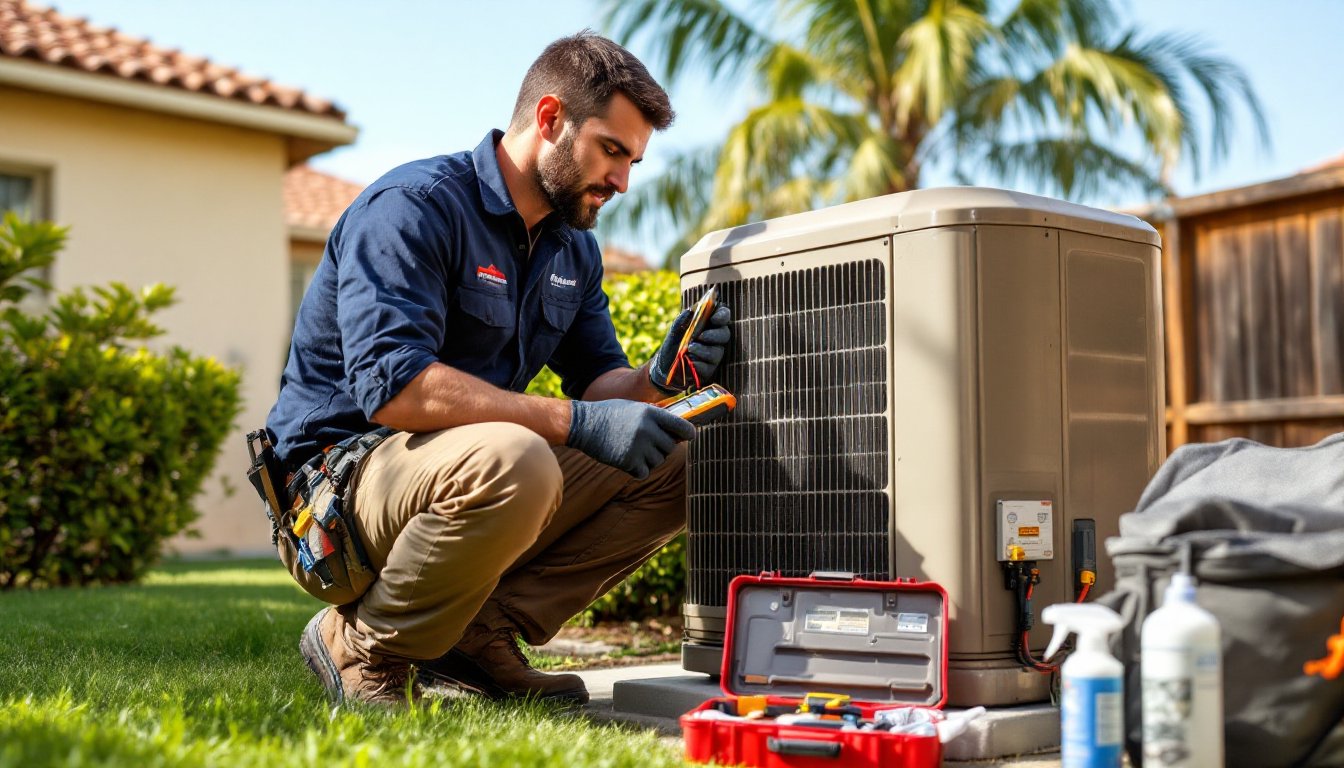
Most plans include biannual tune-ups, one before cooling season, one before heating season, plus priority response for breakdowns. Technicians inspect and adjust components like compressors, evaporator coils, blowers, electrical connections, refrigerant levels, and thermostats. The goal is preventive care, not reactive repairs.
Contracts vary widely. Basic plans cover inspections and minor adjustments. Comprehensive agreements bundle parts, labor, and even filter replacements. Some providers offer tiered options: a Bronze plan might include two visits per year, while a Platinum plan adds quarterly inspections, refrigerant top-offs, and discounted emergency service.
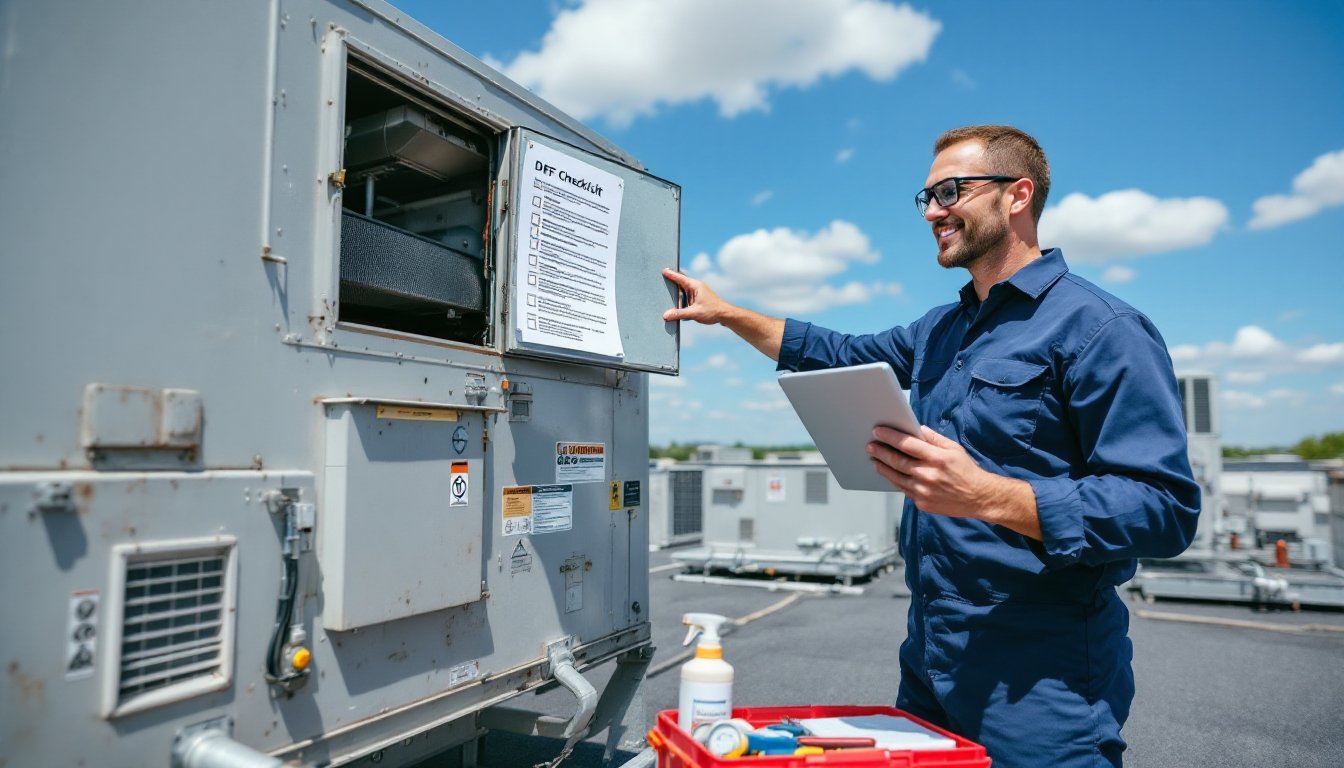
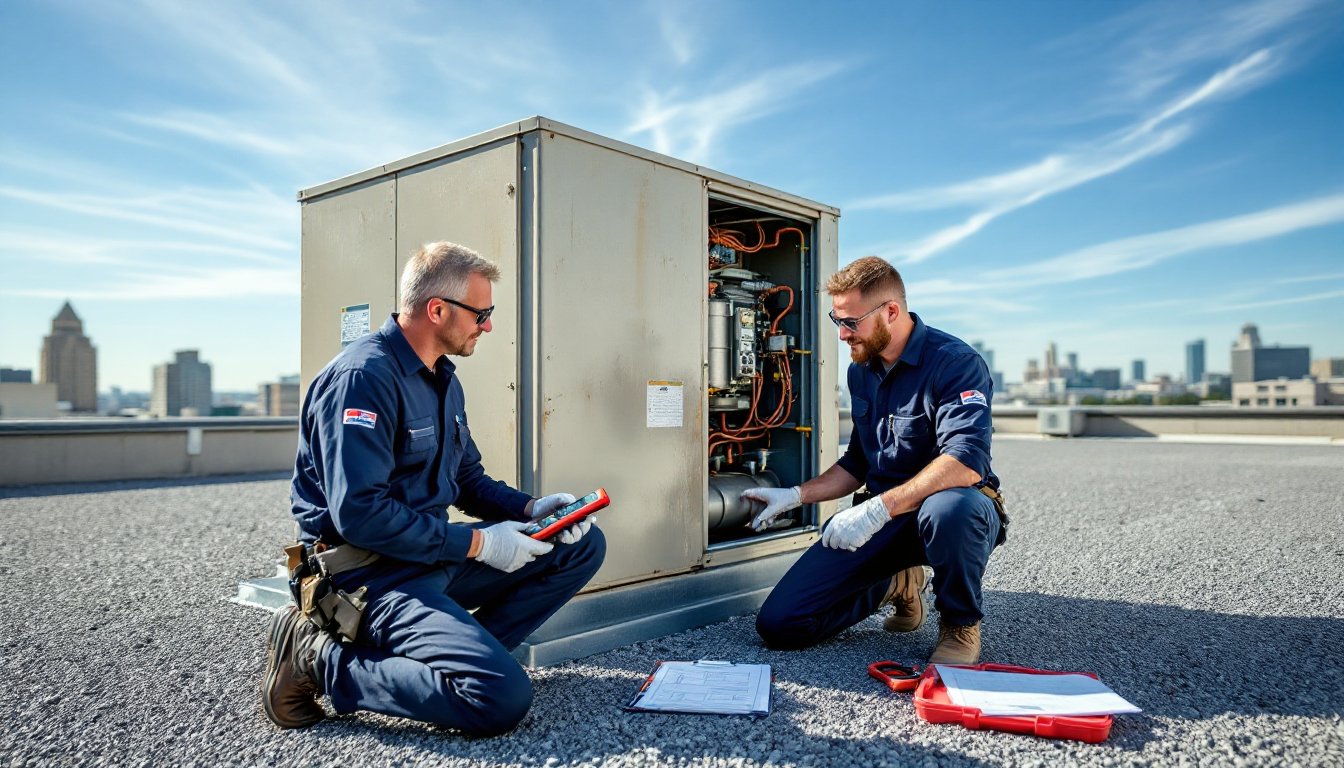
Unlike residential HVAC service, commercial systems often involve larger equipment, rooftop units (RTUs), split systems serving multiple zones, or even chilled water loops. That complexity makes a maintenance checklist approach critical for tracking tasks across equipment spread over thousands of square feet.
Why Your Building Needs a Commercial HVAC Maintenance Plan
Skipping routine maintenance is expensive. The U.S. Department of Energy estimates that neglected HVAC systems lose roughly 5% of efficiency each year. A 10-ton rooftop unit drawing 15% more power than it should translates to hundreds or even thousands of extra dollars annually.
Regular service catches issues early. A loose belt, dirty coil, or low refrigerant charge might seem minor, but each adds strain. Compressors fail. Motors burn out. What could’ve been a $150 repair becomes a $6,000 replacement, and downtime that disrupts business operations.
Maintenance plans also extend equipment life. Commercial HVAC systems typically last 15–20 years with proper care, but only 10–12 years without it. That’s a difference of up to $20,000 in replacement costs on a mid-sized system.
There’s a liability angle, too. Poor indoor air quality from clogged filters or microbial growth in drain pans can trigger complaints, even legal issues. Buildings with structured maintenance schedules document their diligence, helpful if disputes arise.
Finally, many equipment warranties require documented professional maintenance. Miss an inspection, and the manufacturer may deny a claim on a failed compressor.
Key Components of an Effective HVAC Maintenance Plan
A solid maintenance plan isn’t a one-size-fits-all checklist. It should reflect the specific equipment, building use, and local climate. That said, effective plans share common elements.
Scheduled Inspections: At minimum, systems need attention twice per year, spring and fall. High-use facilities (hospitals, data centers) may require quarterly or even monthly visits.
Filter Replacement: Commercial filters range from basic fiberglass to MERV 13 pleated media filters. Frequency depends on filter type, occupancy, and outdoor air quality. A warehouse might swap filters quarterly: a medical office monthly.
Coil Cleaning: Evaporator and condenser coils accumulate dirt, reducing heat transfer and efficiency. Coils should be inspected every visit and cleaned as needed, usually at least annually.
Refrigerant Check: Technicians verify charge levels and inspect for leaks. Undercharged systems work harder and fail sooner. Since the EPA regulates refrigerant handling, this isn’t a DIY task.
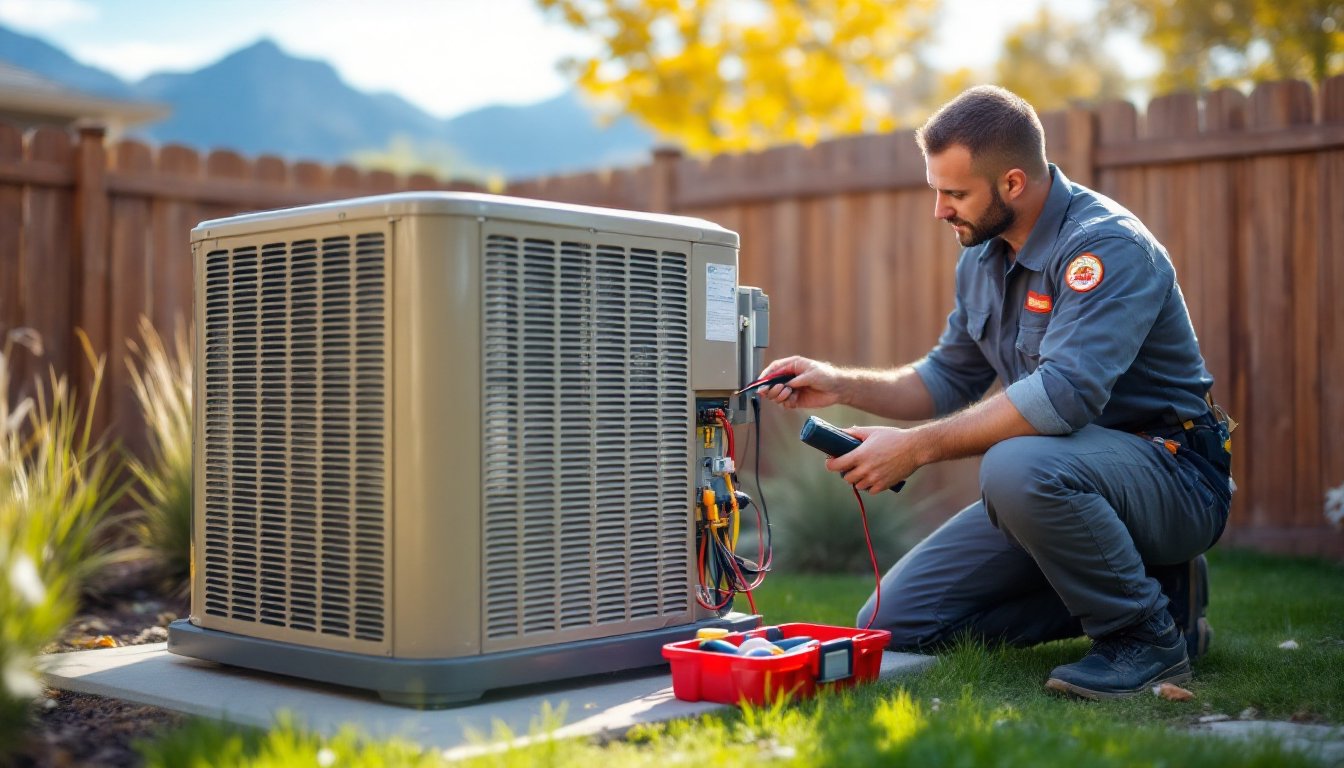
Electrical Connections: Loose terminals cause arcing, overheating, and equipment failure. Technicians tighten connections and measure voltage and amperage.
Belt and Pulley Inspection: Belt-driven blowers need regular tension checks. A worn belt slips, reducing airflow and stressing motors.
Drain Line Maintenance: Condensate drains clog with algae and debris, leading to water damage. Technicians flush lines and add algaecide tablets.
Thermostat Calibration: Inaccurate thermostats waste energy and frustrate occupants. Calibration ensures setpoints match actual temperatures.
Documentation matters. Providers should log findings, repairs, and recommendations after each visit. This creates a service history that helps spot trends, and proves compliance if warranty or code issues arise.
How Often Should Commercial HVAC Systems Be Serviced?
Service frequency depends on equipment type, usage, and environment. The standard recommendation is twice annually, once before cooling season (spring) and once before heating season (fall). This schedule works for most office buildings, retail spaces, and light commercial applications.
High-demand or critical environments need more frequent attention:
- Restaurants and commercial kitchens: Grease-laden air clogs filters and coils fast. Monthly or quarterly service prevents costly downtime.
- Healthcare facilities: Strict indoor air quality standards and 24/7 operation justify quarterly or monthly inspections.
- Data centers: Cooling failures risk equipment damage and data loss. Many data centers schedule monthly preventive maintenance.
- Manufacturing plants: Dusty or chemical-heavy environments accelerate wear. Quarterly service is common.
Some maintenance programs tier visit frequency based on equipment age. Older systems (10+ years) may benefit from quarterly check-ins, as wear-prone components like capacitors and contactors fail more often.
Don’t forget emergency service response. Maintenance contracts often include priority scheduling and discounted after-hours rates. A building without a plan might wait days for service during peak summer or winter demand.
Filter changes happen more often than full inspections. Depending on the filter type and building, monthly to quarterly swaps are typical. High-traffic buildings or those near construction sites may need even more frequent changes.
What to Look for When Choosing an HVAC Maintenance Provider
Not all maintenance contracts deliver value. Some providers lowball pricing, then upsell unnecessary repairs. Others skip tasks or send inexperienced technicians. Here’s what separates quality contractors from the rest.
Licensing and Certification: Verify the company holds proper state and local HVAC contractor licenses. Technicians should carry EPA Section 608 certification for refrigerant handling. NATE (North American Technician Excellence) certification is a plus, it’s industry-recognized proof of competency.
Experience with Your Equipment: A contractor familiar with your specific system type, Carrier rooftop units, Trane split systems, Lennox heat pumps, works faster and spots issues others miss.
Clear Contract Terms: The agreement should spell out exactly what’s included: number of visits, specific tasks, parts coverage, and emergency service terms. Watch for vague language like “tune-up” without task details.
Detailed Reporting: After each visit, you should receive a written report with findings, measurements (refrigerant pressures, motor amps, etc.), and recommendations. Reputable contractors use software that timestamps and photos document conditions.
Transparent Pricing: Some providers roll parts and labor into a flat monthly fee. Others charge per visit plus parts. Make sure you understand what’s covered and what costs extra. According to HVAC industry resources, typical commercial maintenance agreements range from $200 to $600+ per unit per year, depending on equipment size and plan scope.
References and Reviews: Ask for references from clients with similar buildings. Check online reviews, but focus on patterns, one bad review isn’t a dealbreaker, but repeated complaints about missed appointments or surprise charges are red flags.
Response Times: Breakdowns don’t wait for business hours. Confirm the provider’s emergency response commitment and after-hours availability.
DIY Maintenance Tasks vs. Professional Service
Building owners and facility managers can handle some tasks in-house, but commercial HVAC work has limits. Know where to draw the line.
DIY-Friendly Tasks:
- Filter changes: Straightforward on most systems. Stock the correct size and MERV rating. Wear gloves and a mask, used filters are nasty.
- Thermostat checks: Verify setpoints, check battery backup (if applicable), and ensure schedules match building hours.
- Visual inspections: Walk equipment monthly. Look for oil stains (compressor leaks), rust, unusual noises, or tripped breakers.
- Drain line maintenance: Pour a cup of bleach or vinegar down condensate drains quarterly to prevent clogs.
- Outdoor unit clearance: Keep vegetation, trash, and debris at least 2 feet away from condenser units to maintain airflow.
Leave to the Professionals:
- Refrigerant work: Federal law requires EPA certification. Improper handling releases potent greenhouse gases and risks hefty fines.
- Electrical diagnostics: Commercial HVAC systems run on 208V, 230V, or 480V three-phase power. One mistake can cause electrocution or equipment damage. Always follow NFPA 70E arc flash and electrical safety standards.
- Gas heating equipment: Furnaces and boilers involve combustion, gas lines, and carbon monoxide risk. This work requires licensed technicians and, in many jurisdictions, permits for major repairs.
- Coil cleaning: Deep cleaning requires coil cleaners, pressure washers, and fin combs. Amateurs often bend delicate aluminum fins, reducing efficiency.
- Calibration and controls: Modern systems use digital controls, sensors, and building automation. Adjustments require specialized tools and software.
If someone on staff has HVAC training, common in larger facilities, they can handle more. But even then, having a pro inspect systems twice yearly catches issues that in-house maintenance misses. Many commercial property guides, like those on Today’s Homeowner, emphasize the value of professional inspections for complex systems.
Safety Note: Always wear appropriate PPE, safety glasses, gloves, and hearing protection when working near running equipment. Rooftop work requires fall protection: guardrails, harnesses, or lifelines per OSHA standards.
Conclusion
A commercial HVAC maintenance plan isn’t optional, it’s a cost-saving tool that protects equipment, budgets, and comfort. Regular service catches small problems before they cascade into failures, extends equipment life by years, and keeps energy bills in check. Whether managing a single building or a portfolio, a structured maintenance approach beats reactive repairs every time. Choose a qualified contractor, understand what’s covered, handle the simple tasks in-house, and let professionals manage the technical work. Done right, maintenance pays for itself many times over.