
Table of Contents
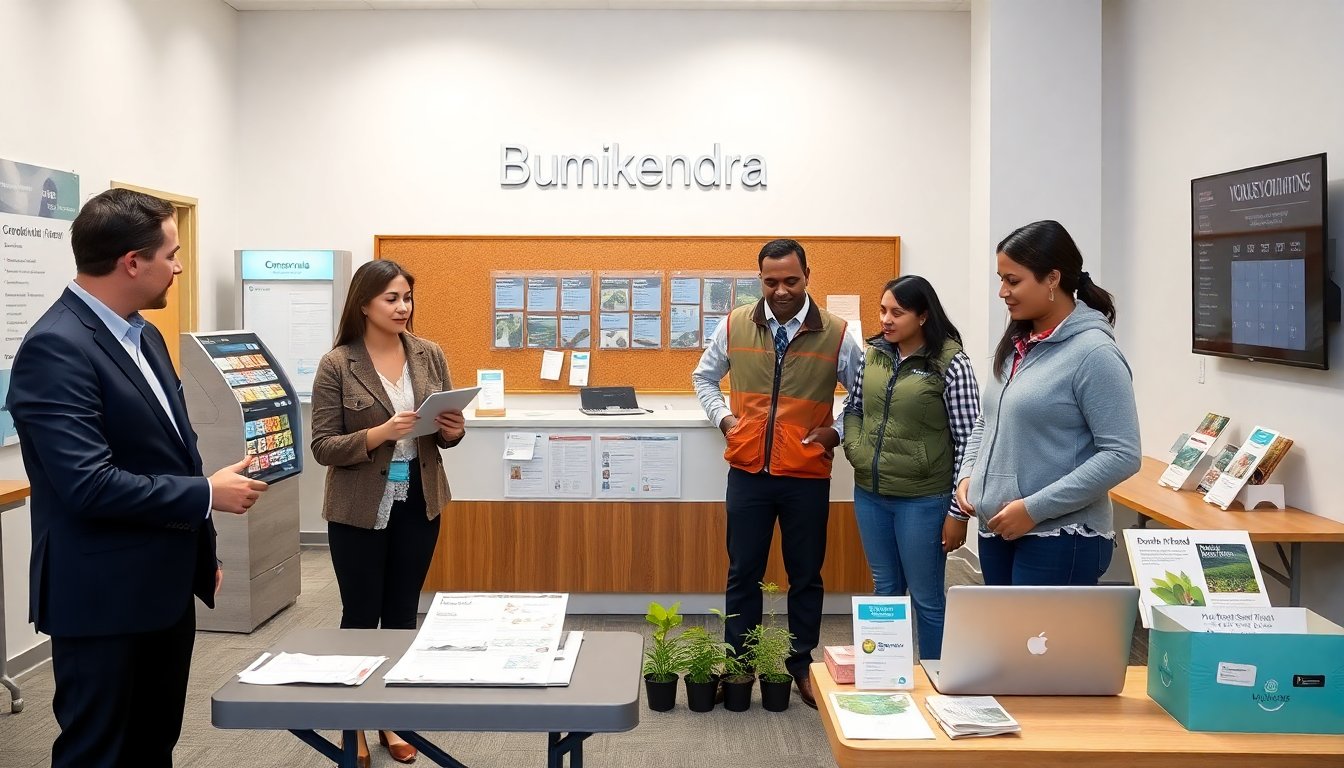
ToggleBumikendra refers to a community hub model that supports local services and nature programs. The term appears in regional languages and grows in use across countries. Researchers and planners study bumikendra for its local development role. This article explains bumikendra, traces its origins, lists its services, names its users, and shows how people join. The text uses clear facts and simple steps. It aims to help readers decide if they should visit, partner, or study bumikendra programs.
Key Takeaways
- Bumikendra serves as a community hub offering local services like education, health outreach, and environmental conservation to empower residents and support small projects.
- Originating from South Asian languages, bumikendra blends cultural tradition with modern functions, preserving local identity while delivering new skills and services.
- The center provides diverse programs including legal aid, vocational training, and conservation activities tailored to local community and seasonal needs.
- Multiple stakeholders such as farmers, women’s groups, schools, NGOs, and government agencies utilize bumikendra to meet various social, educational, and economic needs.
- Accessing or partnering with bumikendra involves simple steps like contacting local managers, attending open days, or submitting project proposals to community committees.
- Challenges like funding, staff retention, and governance are addressed through multi-year support, local leadership, and transparent reporting, enabling opportunities for growth and regional expansion.
What Is Bumikendra? A Clear Definition For Global Readers
Bumikendra is a local center that offers services for people and the environment. The center hosts education programs, health outreach, and conservation talks. The concept blends a meeting place and a service point. Planners design bumikendra to strengthen local skills and to support small projects. Researchers describe bumikendra as a node that links residents, local groups, and outside partners. The model adapts to village needs, urban neighborhoods, and protected areas. Policymakers consider bumikendra a practical tool to deliver services at lower cost and with local input.
Origins And Cultural Significance: History, Language, And Local Context
The term bumikendra blends local words for land and center in some South Asian languages. Communities used early centers for grain storage and dispute meetings. NGOs modernized the idea in the late 20th century. Planners added education, health, and conservation services. Local leaders value bumikendra for its connection to place and tradition. The centers often host cultural events and seasonal markets. Academics note that bumikendra preserves local knowledge while it delivers new skills. The cultural fit helps communities accept outside funding and training without losing identity.
Core Functions And Services Offered By Bumikendra
Bumikendra provides core functions that serve daily life and long-term goals. The center acts as an information point, a meeting hall, and a training space. Staff offer skill classes, small business advice, and basic health screenings. The center supports local conservation by hosting seed banks and by running habitat restoration days. Bumikendra often runs data collection for local planning. The center offers digital access for government services and market information. Local committees manage the center and track its budget and activity calendar. Funders often support specific functions while the community keeps daily control.
Typical Programs And Activities (Community Services, Education, Conservation)
Bumikendra runs three program types. First, community services include registration help, legal aid clinics, and market days. Second, education programs include adult literacy classes, vocational training, and school support. Third, conservation activities include tree planting, watershed care, and species monitoring. Staff schedule weekly classes and monthly outreach. Volunteers collect data and report to local councils. Partners supply trainers and teaching material. The programs aim to raise income, to improve health, and to protect local resources. The mix changes with local needs and with seasonal demands.
Who Uses Bumikendra? Stakeholders, Beneficiaries, And Partner Organizations
Residents use bumikendra for services and for meetings. Small farmers use the center for market prices and for seed exchanges. Women’s groups use the center for skills and savings groups. Schools use the center for extra classes and for teacher training. Local government uses the center to deliver ID services and public notices. NGOs and research groups use the center for pilots and for fieldwork. Private firms use the center to reach customers and to run training. Funders monitor results through the center. The stakeholder mix helps balance local needs and external support.
How To Access Or Participate: Practical Steps For Visitors And Locals
Visitors can find bumikendra by checking municipal listings or by asking local leaders. Locals can join by attending an open day or by contacting the center manager. The center posts a schedule for classes and services. People sign up for programs on paper forms or by phone. Partners propose activities by sending a project brief and a budget to the local committee. Volunteers register and follow simple rules for conduct and reporting. Funders contact the management committee to discuss support and monitoring. Simple steps keep access clear and reduce delays.
Impact, Challenges, And The Future: Measurable Outcomes And Opportunities For Growth
Bumikendra shows impact in income change, school attendance, and restored land area. Projects report numbers for trainees and for seedlings planted. The centers face challenges in steady funding, in staff turnover, and in internet access. They also face governance risks when local politics interfere. Solutions include multi-year funding, local staffing plans, and clear reporting rules. New opportunities include linking centers to regional markets and to remote learning platforms. Researchers suggest that scaling bumikendra requires simple metrics and local leadership. Policymakers can support scale-up by funding shared infrastructure and by easing registration rules.