Table of Contents
ToggleAn AC maintenance contract is one of those decisions that separates homeowners who deal with emergency breakdowns in July from those who coast through summer. It’s a service agreement with an HVAC company that covers regular tune-ups, priority service, and often discounts on repairs. But not all contracts are created equal, and plenty of homeowners end up paying for coverage they don’t need or missing out on protections that would’ve saved them hundreds. This guide walks through what these contracts actually cover, what they cost, and how to choose one that fits your system and budget without the sales pitch.
Key Takeaways
- An AC maintenance contract provides preventive care through scheduled tune-ups, priority service, and repair discounts—typically costing $150–$500 annually depending on coverage scope and your region.
- Regular maintenance extends your AC system’s lifespan from 10 to 15–20 years while improving energy efficiency by 10–15%, potentially saving $50–$150 per cooling season.
- Before purchasing an AC maintenance contract, verify what’s covered versus excluded, check your manufacturer warranty to avoid duplicate coverage, and match the plan to your system’s age and condition.
- Compare at least three contractor quotes, verify licensing and NATE certification, and carefully read terms regarding diagnostic fees, repair discounts, and early termination clauses to avoid costly surprises.
- Catching issues early through maintenance—like a refrigerant leak at $150–$300—prevents expensive failures such as compressor replacement ($1,200+), making preventive care pay for itself.
What Is an AC Maintenance Contract?
An AC maintenance contract, sometimes called a service agreement or maintenance plan, is a prepaid arrangement with an HVAC contractor for routine system checkups and related services. Think of it like an oil change plan for your car, but for your central air system.
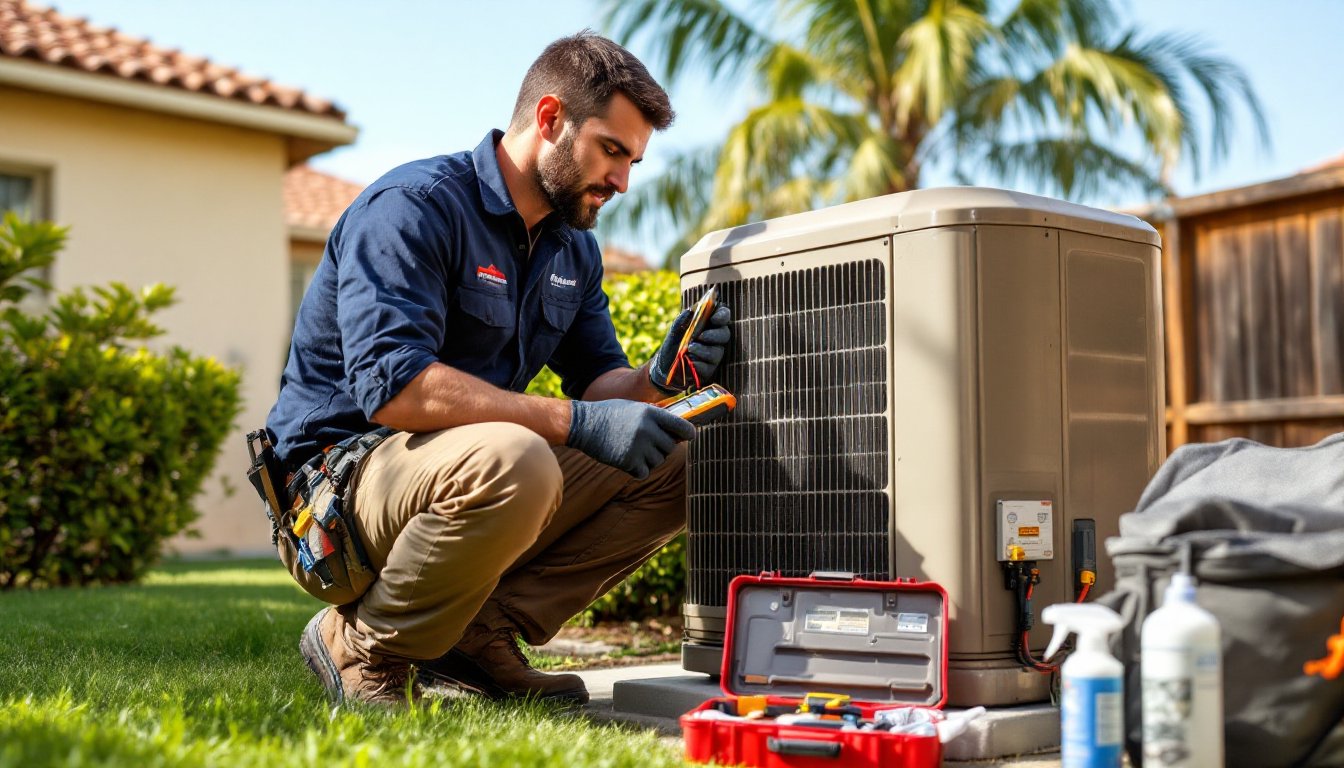
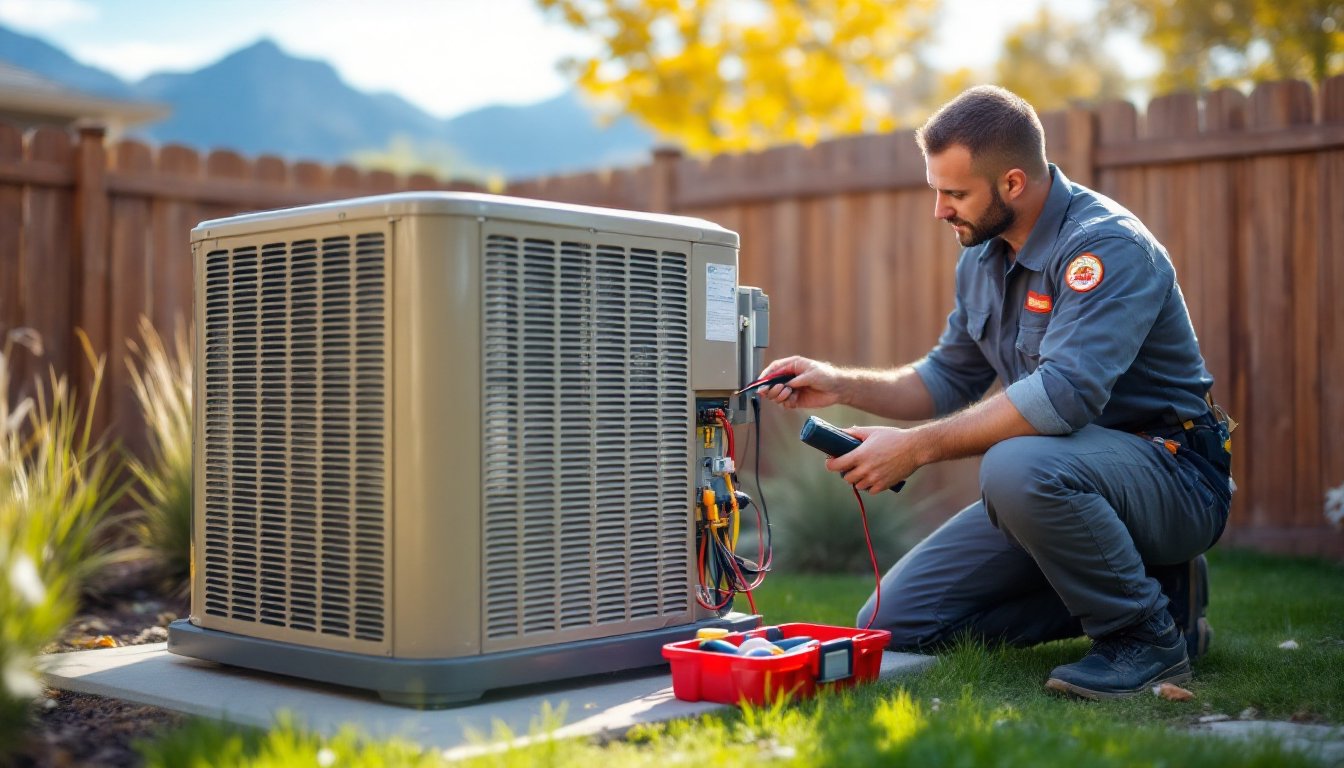
Most contracts include one or two scheduled visits per year (typically spring for cooling, fall for heating if you have a heat pump or dual system). During these visits, a technician inspects components, cleans coils, checks refrigerant levels, and tests system performance.
Beyond the scheduled maintenance, contracts often bundle in perks like priority service calls, discounts on parts and labor, and waived diagnostic fees. The goal is preventive care: catching a failing capacitor in April instead of replacing a seized compressor in August.
Contracts vary widely in scope. Some are bare-bones tune-up packages. Others include coverage for specific parts, labor warranties, or even full system replacement protection. Read the terms carefully, what’s covered, what’s excluded, and how long the agreement lasts.
Key Benefits of Signing an AC Maintenance Contract
The main advantage is extended equipment life. A well-maintained AC system can last 15–20 years: a neglected one might fail at 10. Dirty coils, clogged filters, and low refrigerant all force the compressor to work harder, shortening its lifespan.
Maintenance contracts also improve energy efficiency. A tuned system with clean coils and proper airflow uses 10–15% less electricity than a dirty one. Over a cooling season, that can mean $50–$150 in savings, depending on your usage and local rates.
Priority scheduling is a big deal during peak season. When it’s 95°F outside and everyone’s AC is dying, contract customers usually jump the queue. Some companies guarantee same-day or next-day service for members.
Many contracts offer discounts on repairs, often 10–20% off parts and labor. If your blower motor fails or you need a new contactor, that discount can offset the annual contract cost in a single repair.
Finally, regular inspections catch small problems before they cascade. A refrigerant leak detected early costs $150–$300 to fix. Ignored, it can destroy a $1,200 compressor. The technician’s trained eye is the real value here.
What’s Typically Included in an AC Maintenance Contract?
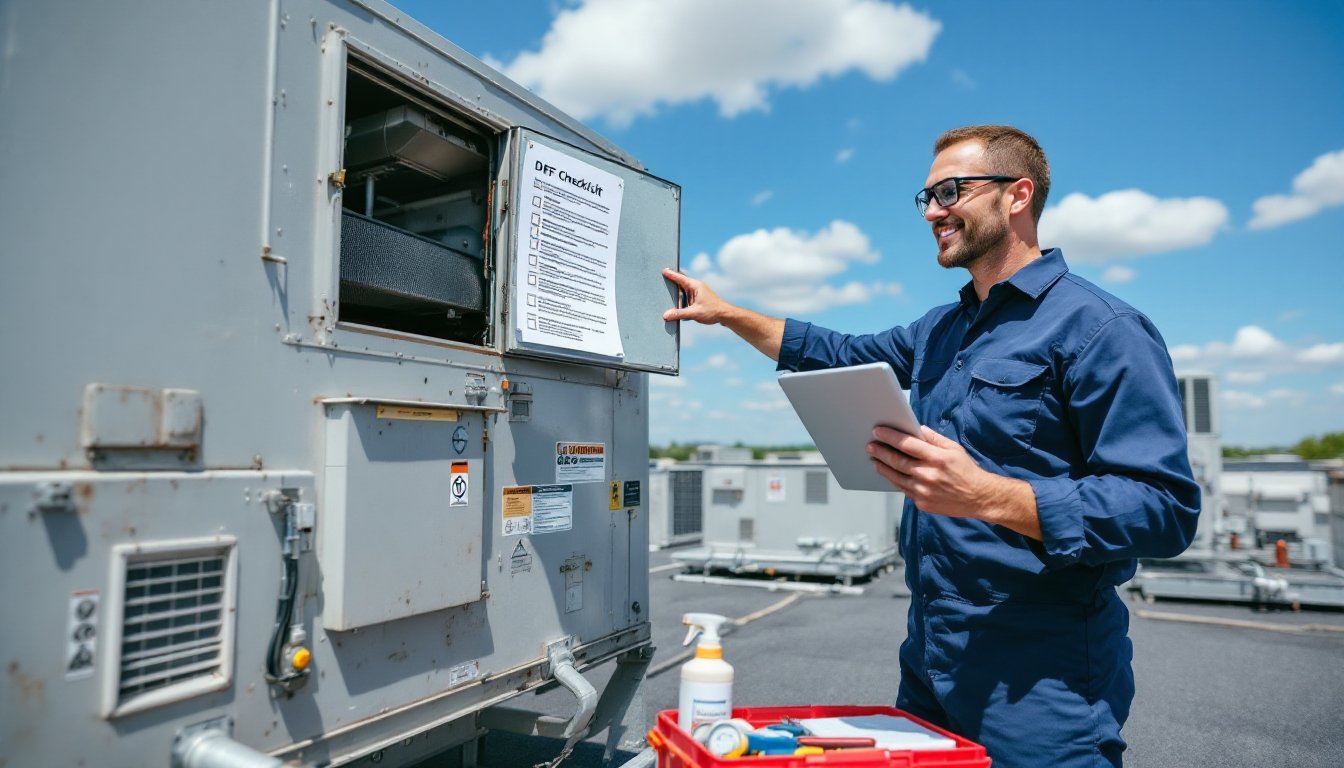
Standard contracts cover a visual inspection of the entire system: condenser, evaporator coil, blower assembly, ductwork connections, thermostat calibration, and electrical connections.
Technicians will clean or replace the air filter (though you should be doing this yourself every 1–3 months), clean the condenser coils, and clear the drain line. Clogged drain lines are one of the most common AC failures and a major source of water damage.
Refrigerant level checks are included, but topping off refrigerant usually isn’t. If you’re low on refrigerant, there’s a leak, and fixing leaks costs extra. The contract covers the diagnosis, not the repair.
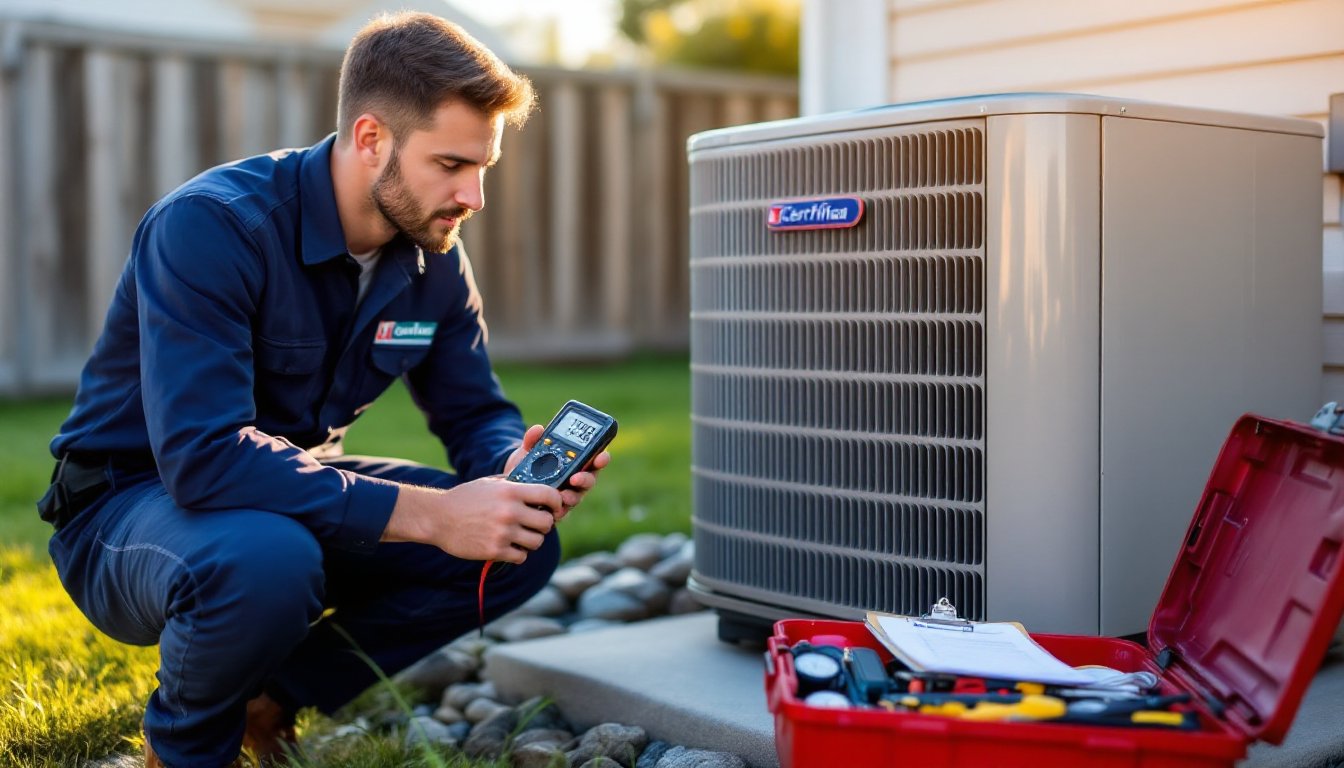
Most plans check the capacitor and contactor, two inexpensive parts that fail frequently and can disable the whole system. They’ll also test amp draw on the compressor and blower motor to spot early signs of failure.
Some higher-tier contracts include a limited parts warranty or coverage for specific components like the compressor. Read the fine print, exclusions are common, especially for systems over 10 years old.
What’s usually not covered: ductwork repairs, thermostat replacement, major part failures (unless you’ve paid for extended coverage), and any damage from neglect or improper installation. Service calls for problems unrelated to maintenance, like a tripped breaker or closed vents, may also cost extra.
How Much Does an AC Maintenance Contract Cost?
Expect to pay $150–$300 per year for a basic contract covering one annual tune-up. If you have a heat pump or want both heating and cooling coverage, you’re looking at $200–$500 annually for two visits.
Costs vary by region, system size, and what’s included. A simple inspection-and-cleaning plan will be on the low end. Contracts that include parts coverage, extended warranties, or guaranteed response times cost more, sometimes $400–$600 per year.
Compare that to the cost of a one-time tune-up, which runs $75–$200 depending on your market. If you’re disciplined about scheduling annual maintenance yourself, you might save money skipping the contract. But most homeowners forget, and the priority service and repair discounts often tip the value in favor of a plan.
Some companies require multi-year commitments or auto-renewal. Others let you pay month-to-month. Be wary of contracts with early termination fees or clauses that void coverage if you use another contractor for a repair.
Keep in mind that cost estimates fluctuate with local labor rates and demand. A contract in Phoenix, where AC is life-or-death, will cost more than one in Seattle. When evaluating a contract, homeowners should also check platforms like HomeAdvisor to compare local HVAC pricing and contractor reviews.
How to Choose the Right AC Maintenance Contract for Your Home
Start by checking what’s already covered under your system’s manufacturer warranty. If you have a new unit with a 5- or 10-year parts warranty, paying for duplicate coverage is a waste.
Match the contract to your system’s age. A 5-year-old AC in good shape needs basic preventive maintenance. A 12-year-old unit might benefit from a plan that includes parts coverage or priority replacement discounts, since it’s nearing end-of-life.
Read the service agreement carefully. What specific tasks are performed? How many visits per year? Are diagnostic fees waived? Is there a cap on repair discounts? Some contracts sound comprehensive but have so many exclusions they’re nearly useless.
Ask about transferability. If you sell your home, can the contract transfer to the new owner? This can be a selling point and may add value to the transaction.
Check the company’s reputation and licensing. Verify they’re licensed, insured, and have good reviews. A cheap contract with a fly-by-night operator is worse than no contract at all. Look for companies that employ NATE-certified technicians (North American Technician Excellence).
Compare at least three quotes. HVAC companies often run promotions in the off-season (fall and winter). You can sometimes negotiate a better rate or get the first year discounted.
Consider whether you’re comfortable doing some tasks yourself. If you can handle filter changes and basic scheduled maintenance tasks, you might only need a minimal contract for the technical inspections.
Common Mistakes to Avoid When Purchasing an AC Maintenance Contract
The biggest mistake is not reading the contract. Homeowners sign up thinking everything’s covered, then get hit with charges for refrigerant, duct repairs, or after-hours service. Know what you’re buying.
Don’t auto-renew without reviewing. Companies often raise rates or change terms year-over-year. Set a calendar reminder to reassess before renewal.
Avoid contracts that require you to use only their company for all repairs. This locks you in and eliminates competitive pricing. You should be free to get second opinions or choose another contractor if their pricing is out of line.
Paying for coverage you don’t need is common. If you have a brand-new system with a solid warranty, a premium contract with parts coverage is overkill. Scale your plan to your equipment’s age and condition.
Skipping the preventive maintenance altogether is the worst option. Whether through a contract or scheduled one-off visits, annual maintenance pays for itself in efficiency, reliability, and lifespan. Many HVAC failures could’ve been prevented with a $150 tune-up. Industry data from sources like Angi suggests that well-maintained systems last significantly longer than neglected ones.
Finally, don’t ignore your own responsibilities. Even with a contract, you need to change filters regularly, keep the outdoor unit clear of debris, and ensure vents aren’t blocked. A contract isn’t a substitute for basic routine upkeep, and neglecting your part can void coverage.
Conclusion
An AC maintenance contract can be a smart investment, or an expensive paperweight. The difference comes down to choosing a plan that matches your system’s needs, reading the terms, and working with a reputable contractor. For most homeowners, the peace of mind, priority service, and long-term savings make a solid contract worth the cost. Just make sure you’re paying for protection, not empty promises. When comparing options, tools like ImproveNet can help estimate fair costs and connect you with vetted local contractors.