Table of Contents
ToggleDenver’s older homes weren’t built for today’s electrical demands. If your house predates 1990, chances are your panel is handling twice the load it was designed for, from electric vehicle chargers to home offices packed with devices. An electrical panel that’s overloaded or outdated doesn’t just flip breakers: it becomes a fire hazard. Regular maintenance and timely upgrades keep your home safe, code-compliant, and ready for modern electrical needs. This guide walks homeowners through why panel care matters in Denver’s unique housing stock, what warning signs demand attention, and when professional help isn’t optional.
Key Takeaways
- Denver’s older homes built before 1990 often have electrical panels designed for outdated load demands, making Denver electrical panel maintenance and upgrades essential to prevent fire hazards and ensure code compliance.
- Licensed electricians should inspect panels every 3–5 years for loose connections, corrosion, and overheating signs using thermal imaging to identify hidden risks that the naked eye cannot detect.
- Frequent circuit breaker trips, flickering lights, and outdated panels like Federal Pacific Electric (FPE) or Zinsco are red flags that demand immediate professional evaluation and likely upgrade to a modern 200-amp service.
- Panel upgrades typically cost $2,500–$8,000+ in Denver depending on service size and complexity, with all work requiring permits, utility coordination with Xcel Energy, and city inspection before reconnection.
- Homeowners cannot legally perform electrical panel work in Denver—Colorado law requires licensed electricians for all service panel upgrades to comply with the 2020 National Electrical Code and protect against electrocution, fire, and insurance claim denial.
Why Electrical Panel Maintenance Matters in Denver Homes
Denver’s housing mix, Victorian-era properties in Capitol Hill, mid-century ranches in Lakewood, and newer builds in Stapleton, means electrical systems span multiple decades of code standards. Many homes still run on 60- or 100-amp panels designed when air conditioning was rare and a kitchen had one appliance outlet.
Electrical panels degrade over time. Breaker connections loosen from thermal expansion and contraction cycles, especially in Denver’s temperature swings that can hit 60-degree shifts in 24 hours. Oxidation builds up on bus bars, increasing resistance and heat. Old panels from manufacturers like Federal Pacific (FPE) or Zinsco have documented failure rates: their breakers sometimes don’t trip during overloads, creating fire risks.
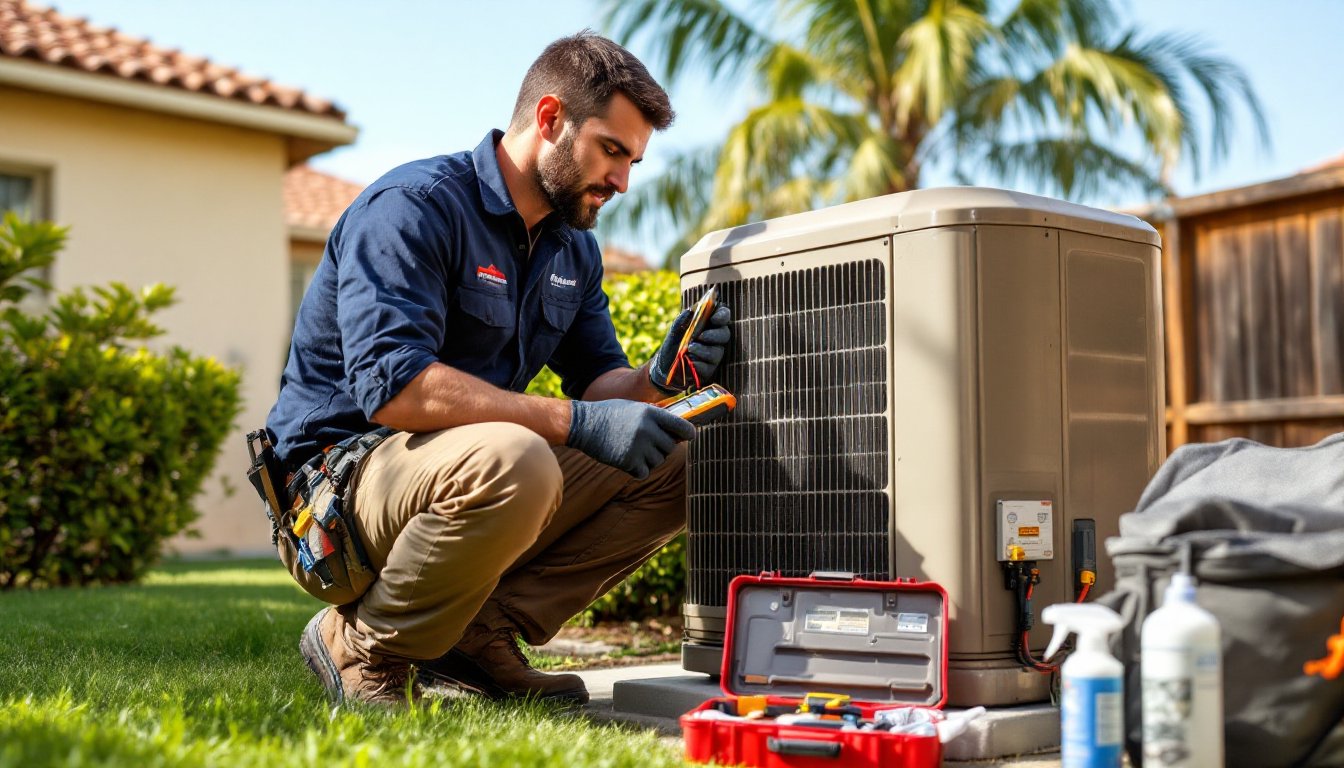
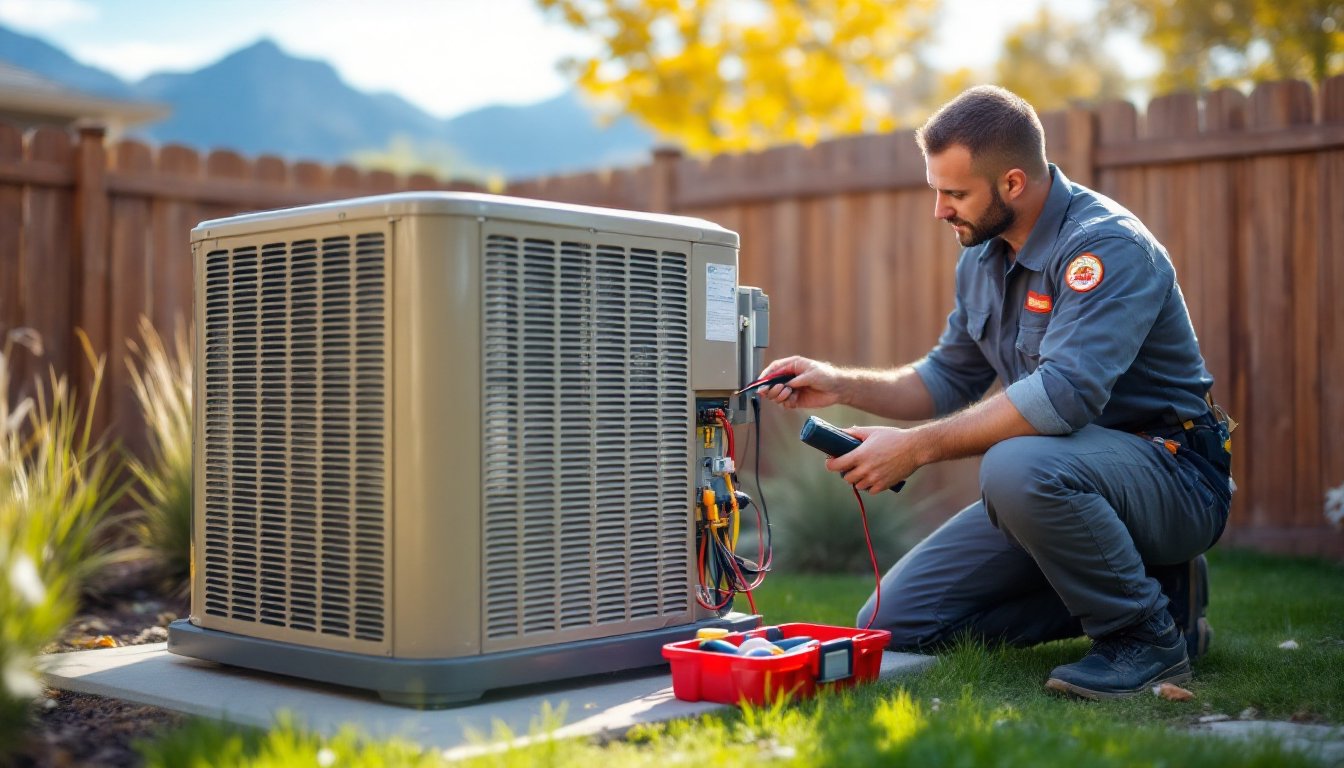
Maintenance isn’t about DIY tinkering inside the panel, that’s dangerous and illegal without a license. It means scheduling inspections every 3–5 years with a licensed electrician who can check for:
- Loose or corroded connections at breaker terminals and main lugs
- Signs of overheating (discoloration, melted insulation, burning smells)
- Proper panel labeling and circuit documentation
- Adequate service capacity for current household loads
- Compliance with current NEC standards, which Denver adopts with local amendments
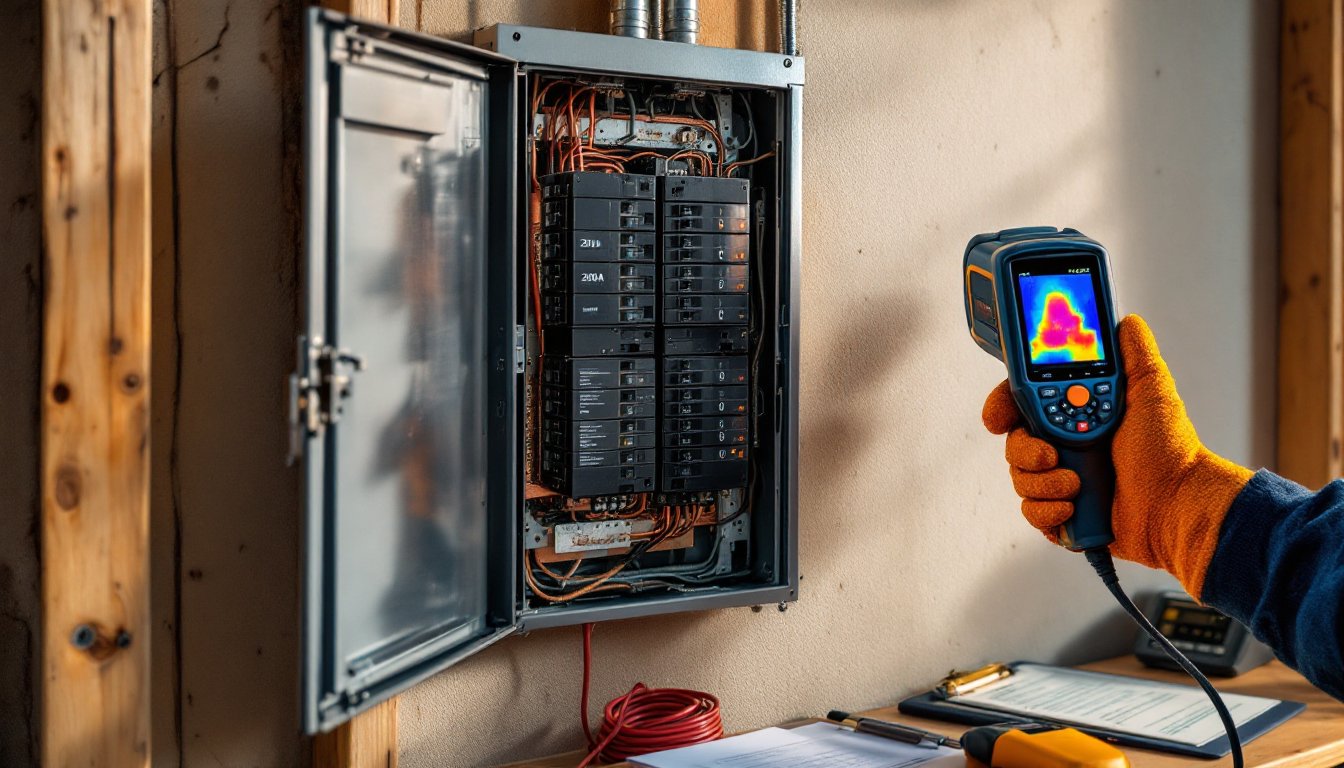
Denver’s dry climate reduces some moisture-related corrosion, but dust accumulation inside panels is common, especially in homes near construction zones or unpaved roads. Licensed electricians use thermal imaging cameras to spot hot spots invisible to the naked eye, a breaker pulling 15 amps shouldn’t run hotter than surrounding components.
Skipping maintenance doesn’t save money. A panel fire or failure can cost tens of thousands in damage, and homeowner’s insurance may deny claims if inspections show deferred maintenance on outdated equipment.
Signs Your Denver Home Needs an Electrical Panel Upgrade
Not every older panel needs immediate replacement, but certain red flags mean it’s time to budget for an upgrade. Here’s what to watch for:
Frequent Circuit Breaker Trips and Flickering Lights
A breaker that trips occasionally when you run the vacuum and microwave simultaneously isn’t necessarily a problem, it’s doing its job preventing overload on a 15-amp circuit. But if you’re resetting breakers weekly, or lights dim every time the furnace kicks on, your panel can’t handle your home’s electrical demand.
Modern households average 200 amps of service. Older Denver homes often max out at 100 amps, which was adequate for a few lights, a refrigerator, and a TV. Today’s loads include:
- Central air conditioning (30–50 amps)
- Electric vehicle charger (40–50 amps for Level 2)
- Electric range (40–50 amps)
- Home office with multiple computers, printers, and monitors
- Smart home devices, entertainment systems, and charging stations
Flickering lights often signal loose neutral connections at the panel or service entrance, or voltage drop from undersized wiring. Both issues require a licensed electrician’s diagnosis. Don’t ignore this, it’s a fire risk.
Outdated Panels and Safety Concerns
Certain panel brands and fuse boxes should be replaced immediately, regardless of whether they’re causing obvious problems:
Federal Pacific Electric (FPE) Stab-Lok panels (common in 1950s–1980s homes): Circuit breakers in these panels fail to trip up to 60% of the time during testing, per studies cited by the Consumer Product Safety Commission. If you have an FPE panel, replacement isn’t optional.
Zinsco/Sylvania panels (1960s–1970s): Breakers fuse to the bus bar over time, preventing them from shutting off during faults.
Fuse boxes: If your home still uses screw-in fuses instead of breakers, it’s running on outdated technology. Homeowners often bypass fuse ratings by installing higher-amp fuses (“pennying” the fuse box), which eliminates overcurrent protection entirely.
Aluminum wiring: Homes built 1965–1973 often have aluminum branch wiring, which expands and contracts differently than copper, causing loose connections. If you have aluminum wiring, your panel should include compatible breakers and termination methods.
Another clear sign: your panel uses breakers with push-button trip indicators or has visible rust, burn marks, or a burned smell. These conditions mean the panel has already begun failing.
What to Expect During an Electrical Panel Upgrade
Panel upgrades are major electrical work, not weekend DIY projects. Here’s the typical sequence a licensed electrician follows:
1. Load calculation and service sizing: The electrician calculates your home’s total electrical load based on square footage, installed appliances, and planned additions (like EV chargers). This determines whether you need a 100-amp, 150-amp, or 200-amp service. Most Denver upgrades land at 200 amps.
2. Utility coordination: If your service upgrade requires a larger meter base or service entrance conductors, Xcel Energy (Denver’s primary utility) must disconnect and reconnect power. This requires scheduling and often a 4–8 hour power outage on installation day.
3. Permitting and inspection: Denver requires an electrical permit for panel upgrades. The electrician pulls the permit, which costs around $50–$150 depending on project scope. After installation, a city inspector verifies code compliance before the electrician can energize the new panel.
4. Panel and equipment installation: The electrician installs the new panel box, typically a 40-space, 200-amp main breaker panel. They’ll transfer existing circuits to new breakers, upgrade any undersized conductors, install proper grounding and bonding per NEC Article 250, and label all circuits clearly.
5. Old panel removal and cleanup: The old panel is disconnected and removed. Any asbestos-containing materials around old panels (rare but possible in pre-1980 homes) require specialized abatement.
Total project time runs 1–3 days depending on complexity. Homes requiring service mast replacement, meter base upgrades, or extensive rewiring take longer. The electrician should provide detailed estimates before starting work, and smart home automation reviews often discuss panel capacity needs for connected systems.
Expect your home’s power to be off during installation. Plan accordingly, charge devices, stock ice for refrigerators if it’s summer, and make arrangements if anyone works from home.
Costs and Permits for Denver Electrical Panel Projects
Panel upgrade costs vary widely based on service size, panel location, and existing conditions. As of 2026, Denver homeowners typically pay:
- Simple panel replacement (same location, no service upgrade): $1,500–$2,500
- 100-amp to 200-amp service upgrade: $2,500–$5,000
- Panel relocation or main service upgrade with utility coordination: $4,000–$8,000+
Factors that increase costs include:
- Service mast or weatherhead replacement: Adding $500–$1,200 if your service entrance equipment is damaged or non-compliant
- Subpanel additions: $800–$1,500 per subpanel if you’re adding garage or workshop circuits
- Grounding system upgrades: $300–$800 if your home lacks proper ground rods or bonding to water service
- Code-required arc-fault (AFCI) and ground-fault (GFCI) breakers: These specialized breakers cost $40–$60 each vs. $5–$10 for standard breakers, and current code requires them for most circuits
Local cost estimates for panel replacement break down Denver-specific pricing by neighborhood and project scope. These costs reflect Denver’s wage rates and permitting requirements, which differ from national averages.
Permit requirements in Denver:
- All panel upgrades require electrical permits from Denver Community Planning and Development
- Permits typically cost $50–$200 based on project valuation
- Inspections are mandatory before the utility reconnects power
- Unpermitted electrical work can complicate home sales and void insurance coverage
Don’t shop electricians on price alone. Verify they’re licensed in Colorado (search the Department of Regulatory Agencies database), carry liability insurance, and pull proper permits. Unlicensed “handymen” offering cheap panel work create serious liability and safety risks.
DIY vs. Professional: When to Call a Licensed Electrician
This section is short because the answer is absolute: homeowners cannot legally perform electrical panel work in Denver. Colorado law requires licensed electricians for all work on service panels, regardless of homeowner skill level.
Here’s why this isn’t negotiable:
Legal restrictions: Denver adopted the 2020 National Electrical Code with local amendments. Only licensed electricians can pull permits for panel work, and all panel upgrades require permits and inspections. Performing this work yourself violates city code and state licensing law.
Safety risks: Panels contain exposed 240-volt bus bars carrying enough current to cause fatal electrocution or arc flash burns. The meter base remains energized even when the main breaker is off. Utility disconnection is required for safe work, something only the utility and licensed professionals coordinate.
Insurance and liability: Homeowner’s insurance policies typically exclude coverage for damage caused by unpermitted electrical work. If a DIY panel job causes a fire, expect claim denial and potential legal liability.
Complexity: Proper panel installation requires load calculations, conductor sizing, torque specifications for connections, proper grounding and bonding, and code-compliant installation methods. Mistakes aren’t obvious until they cause failures.
What homeowners can do:
- Reset tripped breakers and identify which circuits are overloaded
- Document electrical issues (flickering lights, frequent trips) to report to electricians
- Research panel options and prepare questions for contractor estimates
- Schedule regular inspections and maintenance with licensed electricians
- Use home improvement project planners to budget and find qualified contractors
Panel work sits firmly in the “call a pro” category alongside structural changes, gas line work, and HVAC installation. The money you’d save attempting DIY doesn’t justify the safety risks, legal consequences, and potential for catastrophic failure. Invest in a licensed electrician who’ll do the job safely, legally, and with warranty protection.