Table of Contents
ToggleA failed air conditioner in July isn’t just uncomfortable, it’s a crisis. Yet most AC breakdowns are preventable with routine maintenance that homeowners can perform themselves. Regular upkeep keeps your system running efficiently, cuts energy bills by up to 15%, and extends equipment life by years. This guide walks through the monthly tasks, seasonal preparations, and professional service intervals that protect your investment and keep your home comfortable when it matters most.
Key Takeaways
- AC routine maintenance prevents costly breakdowns by maintaining up to 95% of system efficiency and extending equipment life from 10-12 years to 15-20 years.
- Monthly air filter replacement is the most critical DIY task—standard 1-inch filters need changing every 30-60 days during cooling season, and backwards installation reduces effectiveness by 30-40%.
- Spring AC maintenance should include condenser coil cleaning, fin straightening, and thermostat testing to prepare your system before peak summer cooling demand.
- Refrigerant leaks, frozen coils, and compressor failures are preventable through routine coil cleaning, monthly bleach flushes of condensate drains, and annual professional refrigerant level checks.
- A $75-200 annual professional tune-up catches electrical issues, capacitor wear, and refrigerant problems early, costing significantly less than emergency repairs or system replacement ($5,000+).
- Keeping the outdoor condenser unit clear of debris and maintaining 24 inches of clearance on all sides prevents airflow restriction that forces systems to work harder and increases energy bills.
Why Regular AC Maintenance Matters for Homeowners
Air conditioning systems represent a significant investment, typically $3,500 to $7,500 for a central unit installation, depending on capacity and regional labor costs. Without maintenance, that investment deteriorates faster than necessary.
Efficiency drops as dust accumulates on coils and filters clog. A dirty evaporator coil alone reduces efficiency by 5-10%, forcing the compressor to work harder and driving up electric bills. The Department of Energy estimates that routine maintenance maintains up to 95% of original efficiency, while neglected systems lose 5% efficiency annually.
Component lifespan suffers when minor issues compound. A refrigerant leak left unaddressed strains the compressor. Clogged condensate drains cause water damage. Worn contactors lead to hard starts that stress capacitors. Regular inspections using maintenance checklists catch these problems before they cascade into expensive failures.
Warranty requirements often mandate annual professional service. Most manufacturers void coverage if maintenance records can’t be produced. Keep dated receipts and service reports.
Most critically, maintenance prevents mid-summer breakdowns when HVAC companies are slammed and replacement parts are backordered. A well-maintained system typically lasts 15-20 years versus 10-12 for neglected units.
Monthly AC Maintenance Tasks You Can Do Yourself
Homeowners can handle several critical maintenance tasks without special tools or HVAC certification. Set a monthly reminder during cooling season (May through September in most climates) to check these items.
Check and Replace Your Air Filters
Air filter replacement is the single most important DIY task. Clogged filters restrict airflow, forcing the blower motor to work harder and reducing cooling capacity.
Check filters monthly, especially if you have pets, live on a dirt road, or run the system constantly. Standard 1-inch pleated filters (MERV 8-11) typically need replacement every 30-60 days during heavy use. Thicker 4-inch media filters (MERV 13) last 6-12 months but still benefit from monthly visual checks.
Locate your filter, usually in the return air grille or furnace/air handler cabinet. Note the actual size printed on the frame (not the nominal size). A filter labeled 20x25x1 typically measures 19.5 x 24.5 x 0.75 inches. Filters that don’t fit snugly allow unfiltered air to bypass.
Replace, don’t clean, disposable filters. Follow the airflow arrows printed on the frame, they must point toward the blower motor. A backwards filter reduces effectiveness by 30-40%.
While filters are out, inspect visible ductwork for disconnected joints or torn flex duct. Check the condensate drain pan beneath the evaporator coil for standing water, which indicates a clog. Pour a cup of diluted bleach (1 part bleach to 10 parts water) down the drain line monthly to prevent algae buildup.
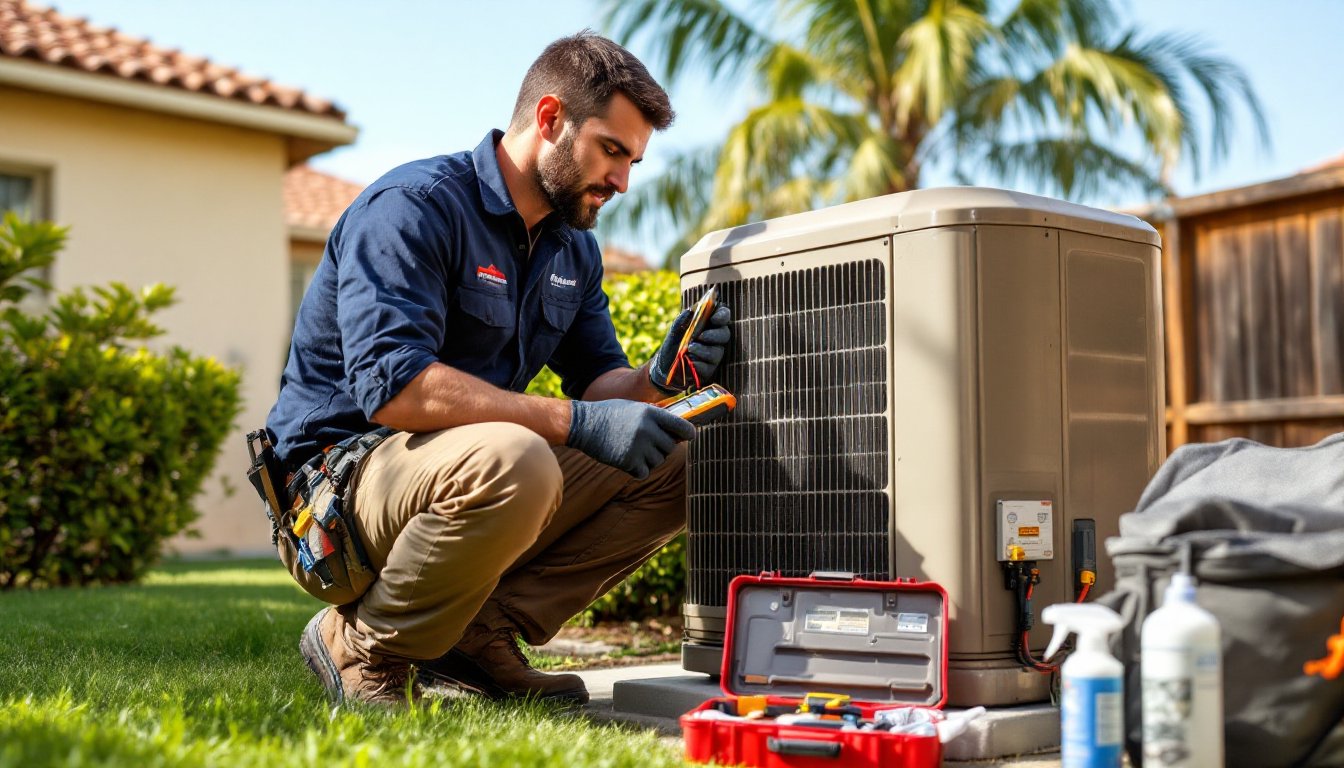
Clear the outdoor condenser unit of debris monthly. Turn off power at the disconnect box, then remove leaves, grass clippings, and cottonwood seeds from fins. Maintain 24 inches of clearance around all sides, trim bushes and move stored items. Airflow restriction forces the system to work harder and can trip the high-pressure cutoff switch.
Seasonal AC Maintenance Checklist
Annual deep maintenance goes beyond monthly filter changes. Spring preparation ensures the system handles summer heat, while fall shutdown protects components during dormancy.
Spring Preparation: Getting Your System Summer-Ready
Schedule this work in March or April, before temperatures spike and HVAC techs get booked solid.
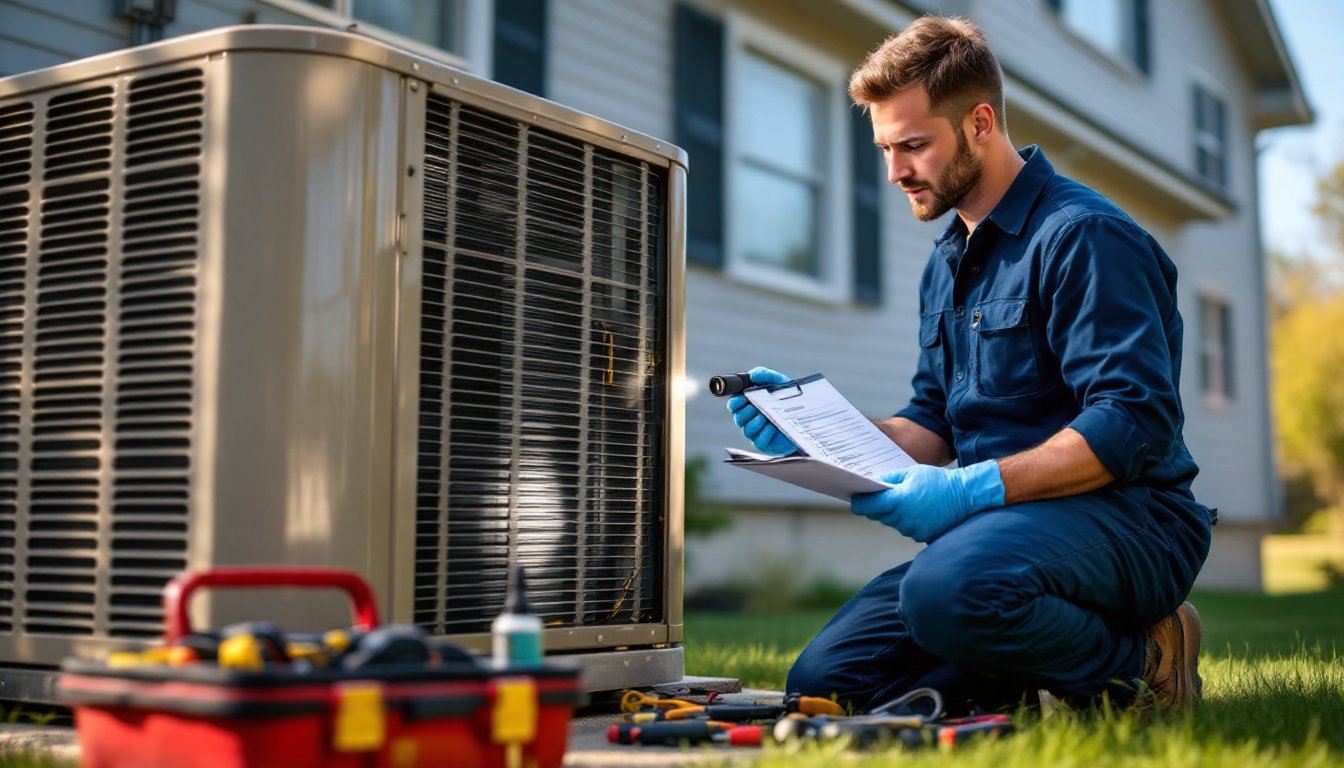
Outdoor condenser coil cleaning requires more than debris removal. Dirty coils insulate refrigerant lines, preventing proper heat exchange. Turn off power at both the outdoor disconnect and the breaker panel, never work on live equipment. Remove the top grille (usually 4-6 hex screws) to access the fan.
Spray coil cleaner (available at home centers) on the fins, following product directions. Most formulas foam up, then rinse away with a garden hose. Spray from inside out to avoid pushing dirt deeper into fins. Use low pressure, high-pressure nozzles bend the thin aluminum fins.
Straighten bent fins with a fin comb ($8-15 at hardware stores). Fins are fragile: work gently. Even moderately bent fins reduce airflow by 10-15%.
Check the concrete pad for settling or tilting. The condenser should sit level. A tilted unit can strain refrigerant lines and cause compressor oil migration. Shim with composite shims if needed, never use wood, which rots.
Inspect electrical connections at the disconnect box for corrosion or loose wires. If you’re comfortable with basic electrical work, turn off power and tighten terminals. Otherwise, note issues for the professional service call.
Test the thermostat by switching to cooling mode and dropping the setpoint below room temperature. The system should start within seconds. If it doesn’t, check the breaker, disconnect, and furnace door safety switch before calling for service.
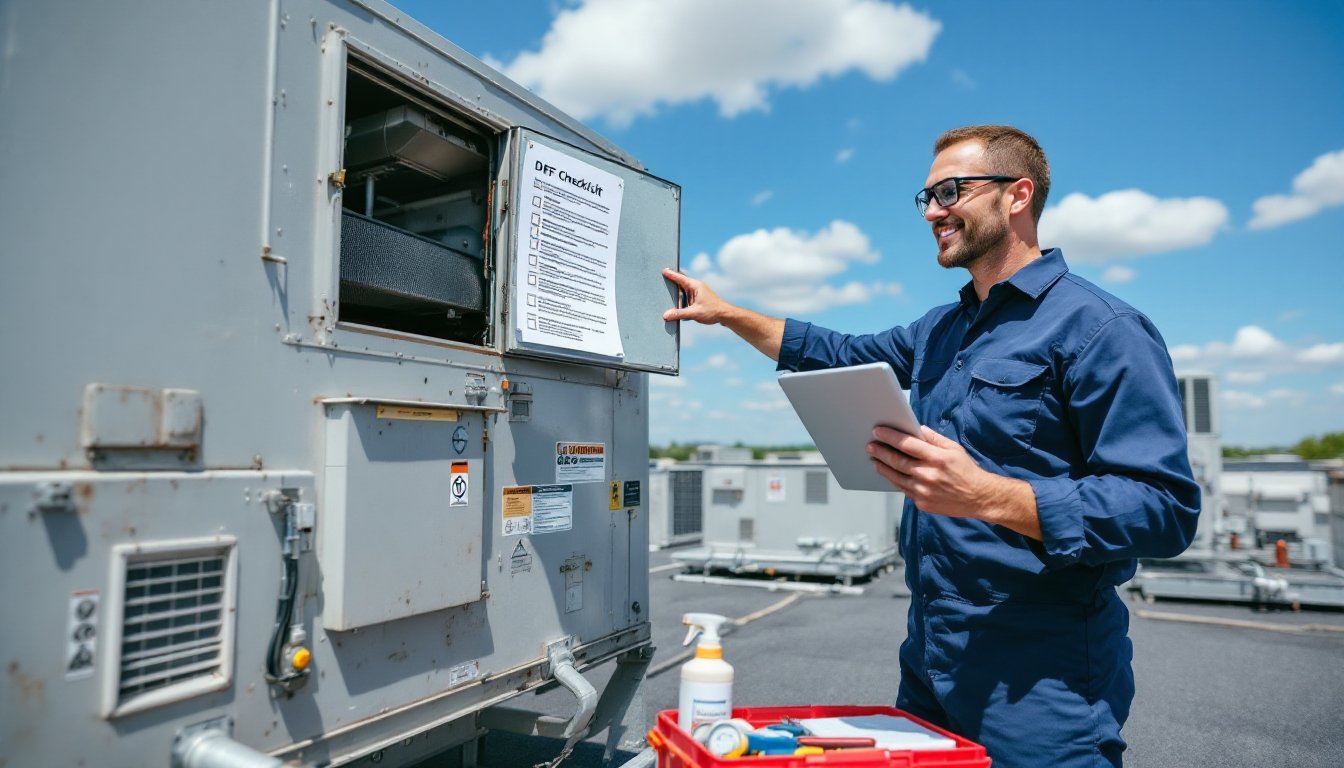
Building a seasonal maintenance routine prevents the rush of forgotten tasks and keeps HVAC systems operating at peak performance throughout the cooling season.
When to Call a Professional for AC Service
Some maintenance tasks require EPA certification, specialized tools, or technical expertise. Attempting them without training risks equipment damage, injury, or legal violations.
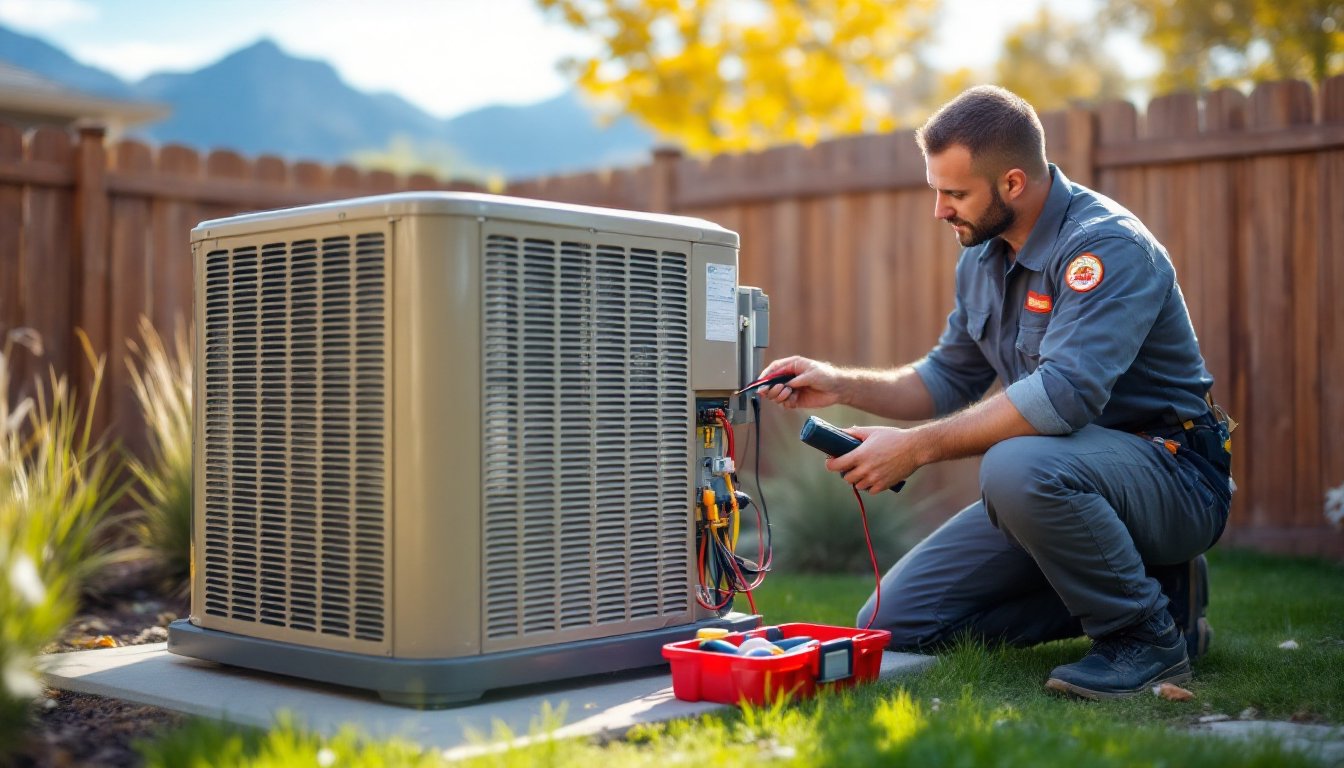
Annual professional service should include refrigerant level checks, electrical testing with multimeters, amperage draws on motors, superheat and subcooling measurements, and safety control verification. Many pros recommend scheduling in early spring when rates may be lower than peak season.
Cost runs $75-200 for a standard tune-up in most markets, though prices vary by region and company. Expect higher rates in metro areas or during emergency calls. Maintenance contracts (typically $150-300 annually) often include priority service and discounts on repairs.
Refrigerant work is legally restricted to certified technicians under EPA Section 608 regulations. If your system is low on refrigerant, there’s a leak, refrigerant doesn’t “burn off” or deplete through normal use. A tech must locate and repair the leak, then recharge to manufacturer specifications. DIY refrigerant kits sold at auto parts stores are designed for cars, not home AC systems, and can damage equipment.
Call immediately if you notice ice on refrigerant lines, which indicates low refrigerant or airflow problems. Turn the system off, running it frozen can destroy the compressor, a $1,500-3,000 repair.
Electrical issues beyond basic checks require a licensed electrician or HVAC tech. If breakers trip repeatedly, contactors chatter, or you smell burning, shut down the system and call for service. The National Electrical Code (NEC) Article 440 covers AC electrical requirements, but code enforcement varies by jurisdiction.
Ductwork modifications or balancing often need professional assessment, especially in multi-story homes or complex layouts. Improperly sized or sealed ducts waste 20-40% of cooling capacity, per studies on residential HVAC efficiency.
Structural issues like condensate drain lines routed improperly or units installed without proper clearances may require work to meet International Residential Code (IRC) Section M1403 mechanical equipment installation standards. Check local building codes, some jurisdictions require permits even for equipment replacement.
Common AC Problems and How Maintenance Prevents Them
Most AC failures trace back to neglected maintenance. Understanding failure modes helps homeowners prioritize preventive work.
Compressor failure is the costliest problem, often totaling 50-70% of replacement system cost. Compressors fail when forced to operate with low refrigerant (from leaks), dirty coils (causing overheating), or electrical issues (hard starts due to bad capacitors). Regular coil cleaning, refrigerant checks, and electrical testing catch these conditions early.
Frozen evaporator coils result from restricted airflow or low refrigerant. Monthly filter changes and annual coil cleaning prevent 90% of freeze-ups. If coils freeze even though clean filters, refrigerant levels likely need checking, a job for professionals.
Condensate drain clogs cause water damage to ceilings, walls, and flooring. Monthly bleach flushes and annual line clearing during professional service prevent backups. Install a safety float switch ($15-30) in the drain pan if your system didn’t come with one, it shuts down the system if water rises, preventing overflow.
Capacitor failure is common in systems over 5 years old. Capacitors provide the electrical boost needed to start motors. They’re wear items, degrading from heat cycles and power surges. A tech can test capacitance during annual service and replace weak units before they fail. A bad start capacitor causes hard starting or failure to start, easily diagnosed, inexpensive to fix ($120-250 including service call), but often discovered during emergency calls when rates are higher.
Refrigerant leaks develop at brazed joints, service ports, and coil connections. Annual leak checks catch slow leaks before the system runs dry. Operating with low refrigerant damages compressors and reduces cooling capacity. Homeowners using proven maintenance strategies report fewer emergency repairs and longer equipment life.
Thermostat issues cause short cycling, temperature swings, or failure to start. Dust buildup, dead batteries, or loose wiring are common culprits. Annual cleaning and wire checks take five minutes but prevent service calls.
Blower motor failure stems from dirty filters forcing motors to work harder, bearing wear, or capacitor problems. Clean filters monthly. If you hear squealing or grinding, shut down and call for service, failed bearings can seize the motor.
A comprehensive approach to equipment upkeep strategies helps homeowners systematically address these vulnerabilities before they escalate into expensive failures. The difference between proactive and reactive approaches to system care often determines whether a homeowner faces a $150 tune-up or a $5,000 replacement.
For additional guidance on DIY home systems maintenance, resources like Family Handyman offer detailed tutorials on related mechanical systems. When professional help is needed, platforms such as Angi provide contractor reviews and cost estimates for local HVAC services. Exploring various maintenance strategies empowers homeowners to develop customized routines that fit their specific equipment and climate conditions.