Table of Contents
ToggleMost property managers and building owners don’t think about their commercial roof until water starts dripping onto inventory or the HVAC unit sits in a puddle. By then, a $500 repair becomes a $15,000 replacement project. A structured commercial roof maintenance program prevents that scenario. Unlike residential roofs with steep pitches and visible shingles, commercial roofs are low-slope systems, often flat, that rely on membrane integrity and proper drainage. They handle foot traffic from HVAC techs, collect debris, and endure UV exposure without the runoff advantage of pitched residential roofs. Regular maintenance extends roof life by 10-15 years and catches small problems before they cascade into structural damage.
Key Takeaways
- A commercial roof maintenance program prevents costly failures by catching issues like ponding water, membrane damage, and flashing problems before they require expensive replacements that can exceed $15,000.
- Biannual inspections combined with preventive repairs extend commercial roof life by 10-15 years, protecting a $100,000+ investment on typical commercial buildings.
- Documented maintenance programs are often required by roofing manufacturers to keep warranties active, and may help reduce insurance premiums by 5-10%.
- Annual maintenance costs of $0.30-$1.00 per square foot are far less expensive than emergency repairs averaging $500-$1,500 per incident or full membrane replacement at $8-$12 per square foot.
- Effective maintenance programs include routine seasonal inspections, drain cleaning, sealant reapplication every 2-3 years, and detailed photo documentation for warranty compliance and property records.
What Is a Commercial Roof Maintenance Program?
A commercial roof maintenance program is a scheduled service agreement that includes inspections, minor repairs, cleaning, and documentation performed by roofing professionals or in-house maintenance staff. It’s not a warranty or an insurance policy, it’s proactive upkeep designed to protect the roof system’s waterproofing, structural integrity, and energy performance.
Programs typically include biannual inspections (spring and fall), debris removal, drain and gutter cleaning, sealant checks around penetrations (vents, skylights, HVAC units), and documentation with photos and repair logs. Some programs are provided by the roofing contractor who installed the roof: others are third-party services or handled by facility management teams.
The key difference from reactive repair: maintenance programs operate on a calendar, not a crisis. They catch problems like ponding water, loose flashing, or membrane blisters before they compromise the roof deck or insulation below. For building owners managing multiple properties, these programs centralize records and create accountability.
Why Commercial Roof Maintenance Programs Are Essential
Commercial roofs are expensive, $5 to $15 per square foot installed, depending on membrane type and region. A 20,000-square-foot roof can represent a $100,000+ investment. Maintenance programs protect that investment by addressing the four main causes of premature roof failure: ponding water, membrane punctures, flashing failures, and neglected penetrations.
Ponding water, standing water that remains more than 48 hours after rain, accelerates membrane degradation and adds structural load. Regular inspections identify drainage issues early, often resolved by clearing drains or adjusting roof slope with tapered insulation.
Membrane punctures from foot traffic, hail, or falling branches create entry points for moisture. Small punctures are patched with compatible membrane material and sealant: ignored, they allow water into insulation and decking, leading to mold, rot, and interior damage.
Flashing around roof edges, penetrations, and curbs is the most common leak source. Sealants dry out and crack: metal flashing shifts. Maintenance programs reapply sealant and replace degraded flashing before leaks develop.
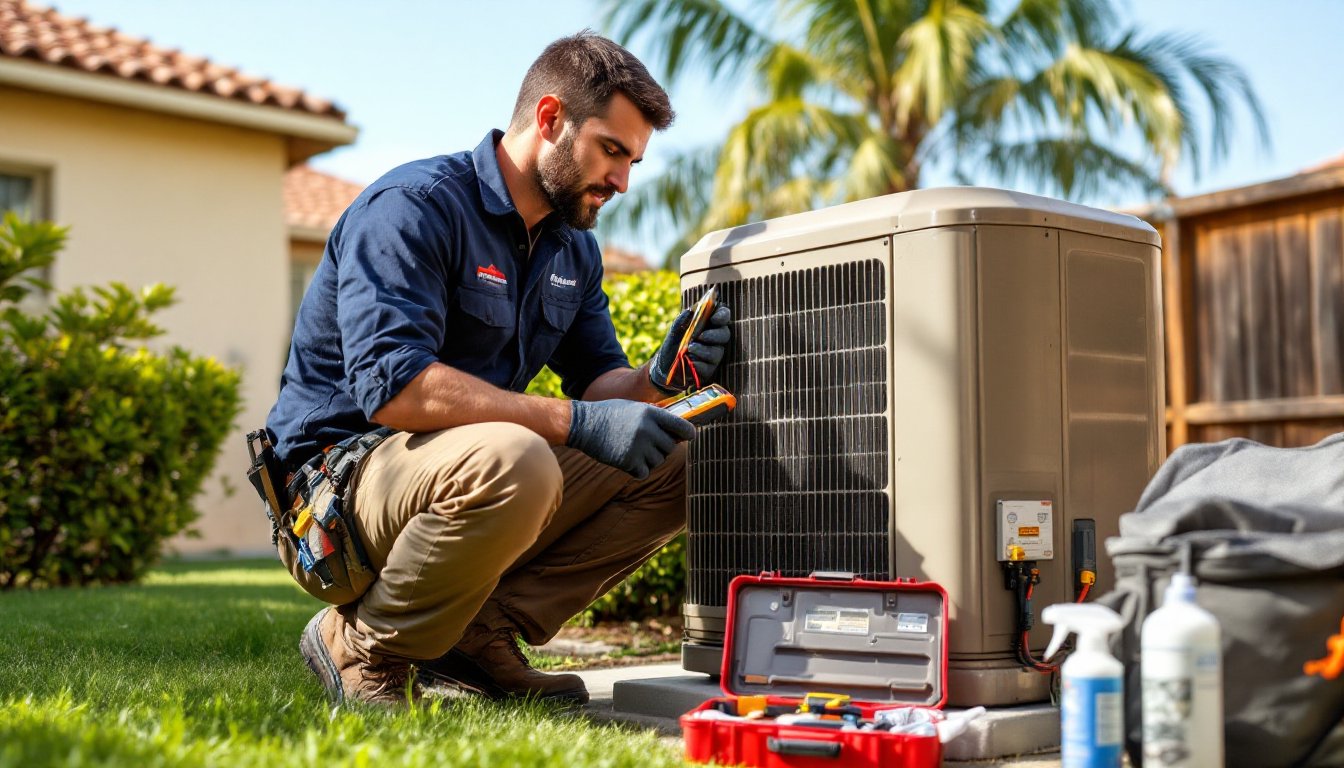
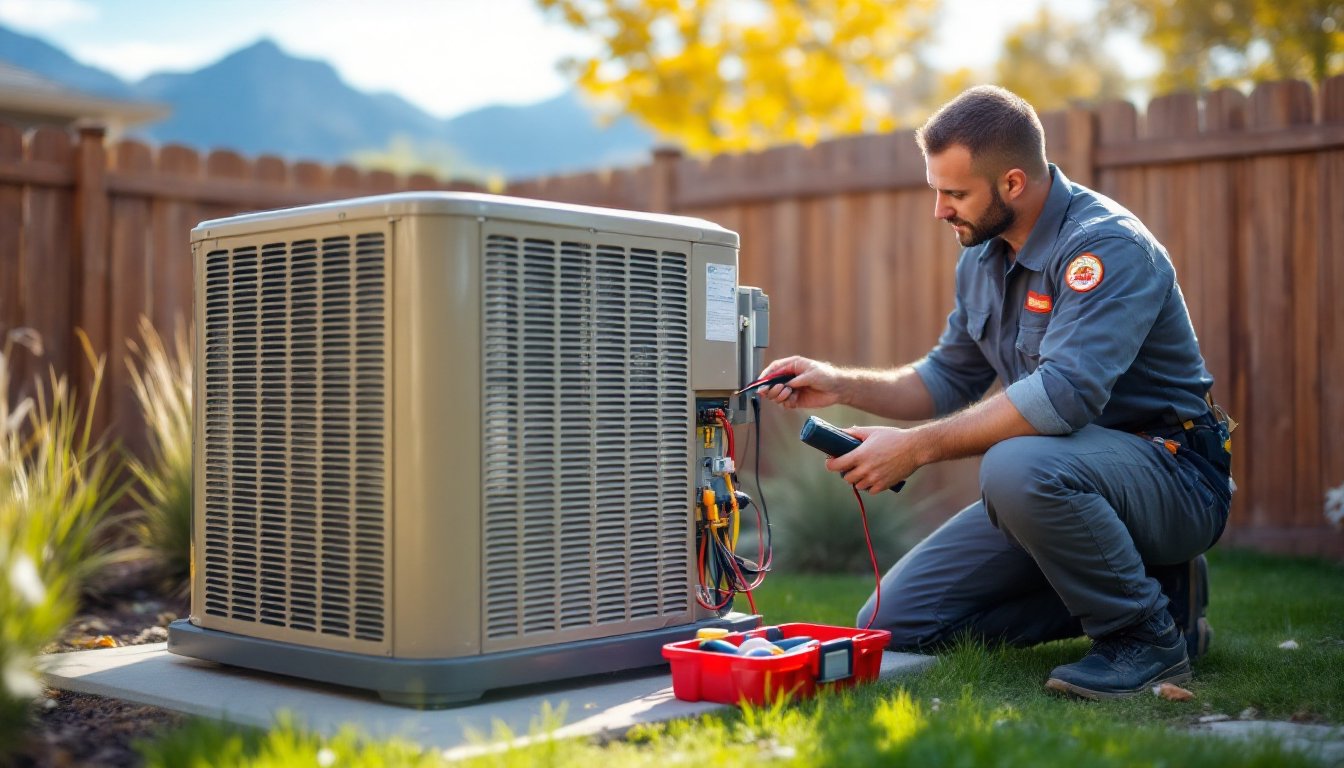
Neglected HVAC and plumbing penetrations are another weak point. Roof-mounted equipment vibrates, shifting boots and seals. Many maintenance programs provided by contractors include equipment curb inspection and re-sealing as standard service.
Beyond leak prevention, maintenance protects warranty coverage. Most commercial roofing manufacturers require documented maintenance to honor warranties. Miss an inspection, and a warranty claim may be denied.
Key Components of an Effective Maintenance Program
Routine Inspections and Seasonal Checks
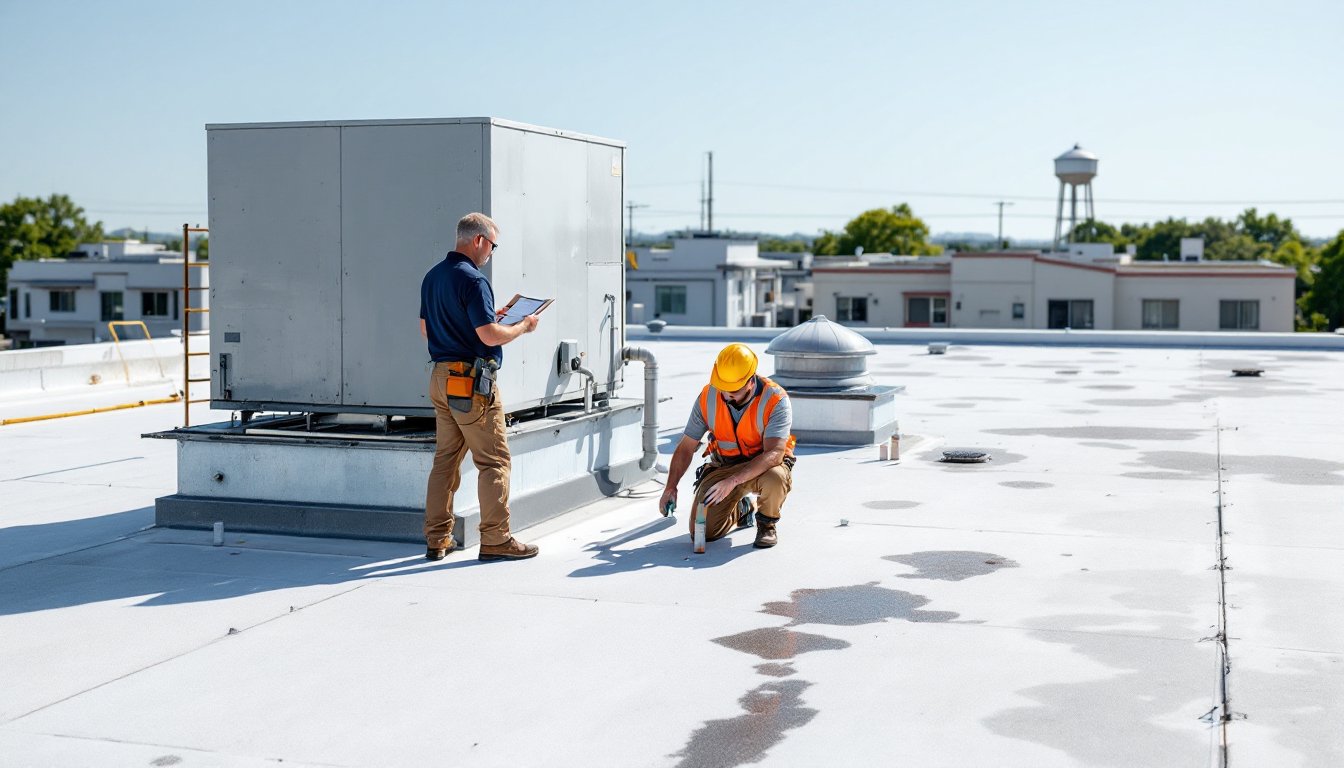
Inspections should occur twice yearly, once in spring after freeze-thaw cycles and storm season, once in fall before winter weather. Each inspection should cover:
- Membrane condition: Look for cracks, blisters, shrinkage, or punctures. Single-ply membranes like TPO or EPDM show wear differently than built-up or modified bitumen systems.
- Seams and fasteners: Check heat-welded or adhesive seams for separation. Mechanically fastened systems need fastener plate inspection, loose plates allow wind uplift.
- Drainage: Clear all drains, scuppers, and gutters. Verify water flows off the roof. Ponding indicates clogged drains or insufficient slope.
- Flashing and edge metal: Inspect perimeter flashing, copings, and counterflashing. Look for rust, loose fasteners, or sealant gaps.
- Penetrations: Check HVAC curbs, vent pipes, skylights, and exhaust fans for cracked sealant or loose boots.
- Surface debris: Remove leaves, branches, and trash. Organic debris holds moisture against the membrane.
Seasonal checks adjust focus. Spring inspections emphasize ice damage and fastener uplift from winter winds. Fall inspections prioritize drain function before heavy rain and ensure HVAC equipment hasn’t shifted during cooling season use.
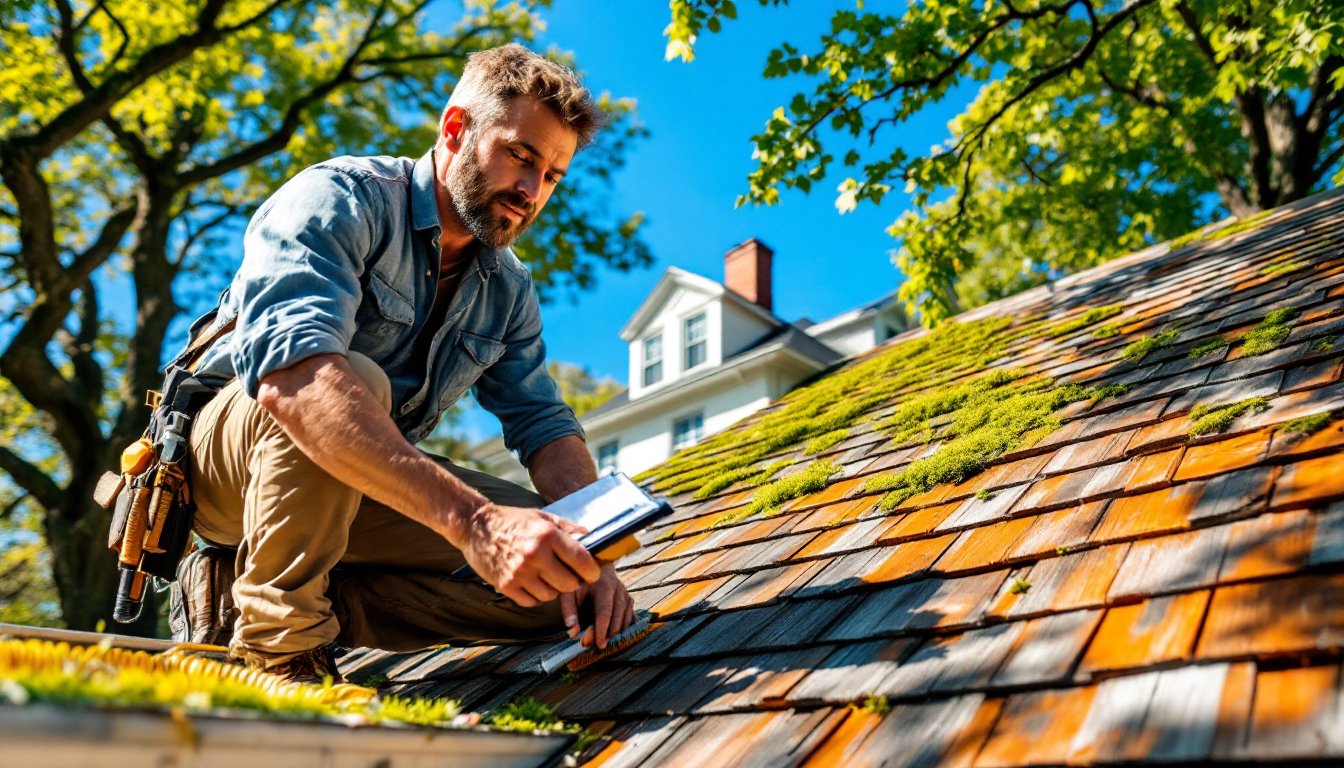
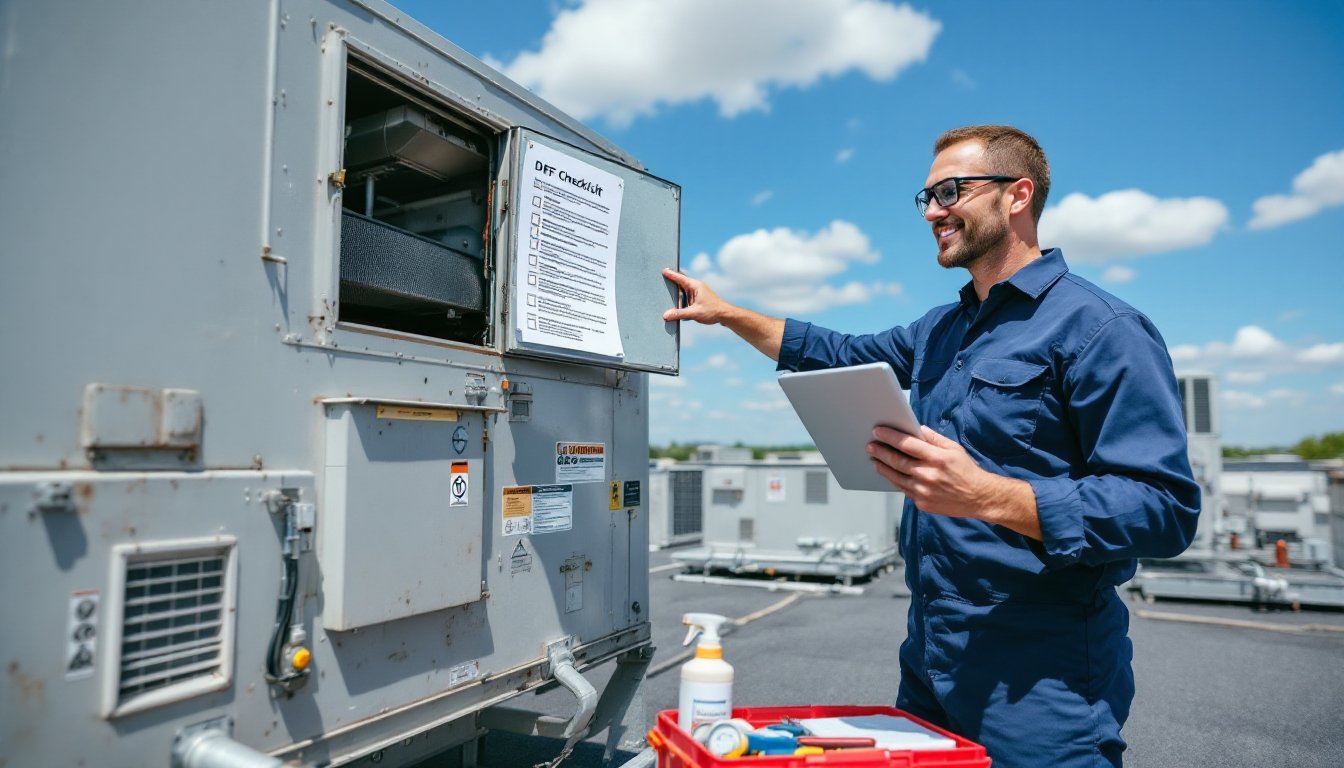
Use a checklist and document findings with photos. Many facility managers use tablet apps or software like Building Engines or UpKeep to standardize reporting. For DIY-minded building owners managing their own small properties, a simple spreadsheet with dated entries works, just be consistent.
Preventive Repairs and Documentation
Maintenance programs include minor repairs performed during inspections, not major replacements. Typical preventive repairs:
- Sealant reapplication: Caulk around penetrations and flashing every 2-3 years. Use compatible sealants, polyurethane for TPO/PVC, butyl or asphalt-based for modified bitumen.
- Membrane patching: Small punctures or tears (under 6 inches) are patched with membrane-compatible material and primer. Patches must extend 6 inches beyond the damage.
- Fastener tightening or replacement: Loose fastener plates are re-secured or replaced. Missing fasteners compromise wind uplift ratings.
- Drain strainer cleaning: Remove debris from strainers and flush drains. Consider strainer domes to keep debris out.
- Vegetation removal: Pull any plants growing in seams or around penetrations. Roots damage membranes.
Documentation is critical. Each inspection should produce a written report including:
- Date, weather conditions, and inspector name
- Photos of problem areas and completed repairs
- List of materials used (sealant type, membrane patch brand)
- Recommendations for future repairs or component replacement
- Cost estimates for any repairs beyond program scope
This documentation proves maintenance compliance for warranty claims and provides a condition history if the building is sold. Some commercial facility managers extend this approach to all building systems, creating a comprehensive maintenance log that increases property value and reduces insurance premiums.
How to Choose the Right Maintenance Program for Your Building
Not all maintenance programs fit all buildings. Selection depends on roof type, building use, in-house capability, and budget.
Contractor-provided programs are common for buildings with installer warranties. The original roofing contractor offers a maintenance plan, often required to keep the warranty active. These programs typically cost $0.30 to $0.75 per square foot annually and include two inspections plus minor repairs (up to a cap, often $500-$1,000 per visit). They’re convenient but lock you into one contractor.
Third-party programs offer flexibility. Independent roofing consultants or maintenance companies provide inspections and coordinate repairs with multiple contractors. Cost is similar, but you’re not tied to the installer. Useful if the original contractor went out of business or if you manage multiple properties with different roof types.
In-house maintenance works for large facilities with dedicated staff. Property managers or facility teams perform inspections and basic repairs, contracting out only major work. This requires training and safety equipment, fall protection, proper footwear, and ladder safety. In-house programs reduce cost but require labor commitment. Reference building maintenance best practices for training resources on roof access safety and inspection techniques.
Roof type influences program scope. Single-ply membranes (TPO, PVC, EPDM) need seam checks and puncture monitoring. Built-up roofs (BUR) require gravel redistribution and blister inspection. Metal roofs need fastener and panel seam checks. Ensure the program provider has experience with your specific system.
Building use matters. Restaurants with grease exhaust need more frequent drain cleaning. Warehouses with heavy HVAC traffic need equipment curb focus. Retail buildings with lower roof access can extend inspection intervals, but never beyond annual checks.
Ask potential providers:
- What’s included in the base cost? (inspections, minor repairs, emergency calls)
- What’s the cap on repairs per visit?
- Is fall protection equipment provided, or does staff need certification?
- How are reports delivered, and how quickly?
- What’s the emergency response time for leaks?
- Are warranties affected if you switch providers?
Get a sample inspection report before signing. It should be detailed, photo-documented, and include clear repair recommendations.
Cost Considerations and Long-Term Savings
Annual maintenance program costs range from $0.30 to $1.00 per square foot, depending on roof size, complexity, and service level. A 10,000-square-foot roof averages $3,000-$7,000 per year. That includes two inspections, minor repairs, and documentation.
Compare that to emergency roof repairs: a single leak repair averages $500-$1,500. Membrane replacement sections run $8-$12 per square foot installed. A neglected roof that fails prematurely, 15 years instead of 25, costs an extra $100,000+ on a typical 20,000-square-foot building.
Maintenance extends roof life by 40-60%. A TPO roof rated for 20 years often reaches 30 with proper upkeep. That’s an extra decade of service for a fraction of replacement cost. Energy savings add up, too: maintained roofs with intact insulation and reflective membranes reduce cooling costs by 10-15% compared to degraded systems.
Insurance companies increasingly require maintenance documentation. Some offer premium reductions (5-10%) for buildings with active programs. Deferred maintenance can void coverage, if an insurer determines a leak resulted from neglect, they may deny the claim.
Budget for minor repair overages. Most programs cap included repairs at $500-$1,000 per visit. Larger issues, like replacing 50 square feet of membrane or re-flashing a large HVAC unit, exceed the cap and are billed separately. Set aside $1,000-$3,000 annually for these extras.
For multi-property owners, volume discounts apply. Contractors often reduce per-square-foot costs by 20-30% when servicing multiple roofs under one contract.
DIY maintenance is possible for small buildings under 5,000 square feet with accessible roofs and owners willing to climb. Cost drops to materials only, sealant tubes, membrane patches, cleaning supplies, typically under $200 per year. But, liability is yours. Fall risks, improper repairs, and missed issues that void warranties are real concerns. If you lack roofing experience, hire professionals for at least the biannual inspections and handle only basic debris removal yourself.
The return on investment is clear: spend 1-2% of roof value annually on maintenance to avoid spending 100% on premature replacement. For most commercial property owners, a structured maintenance program isn’t optional, it’s the difference between a roof that lasts and one that fails.