Table of Contents
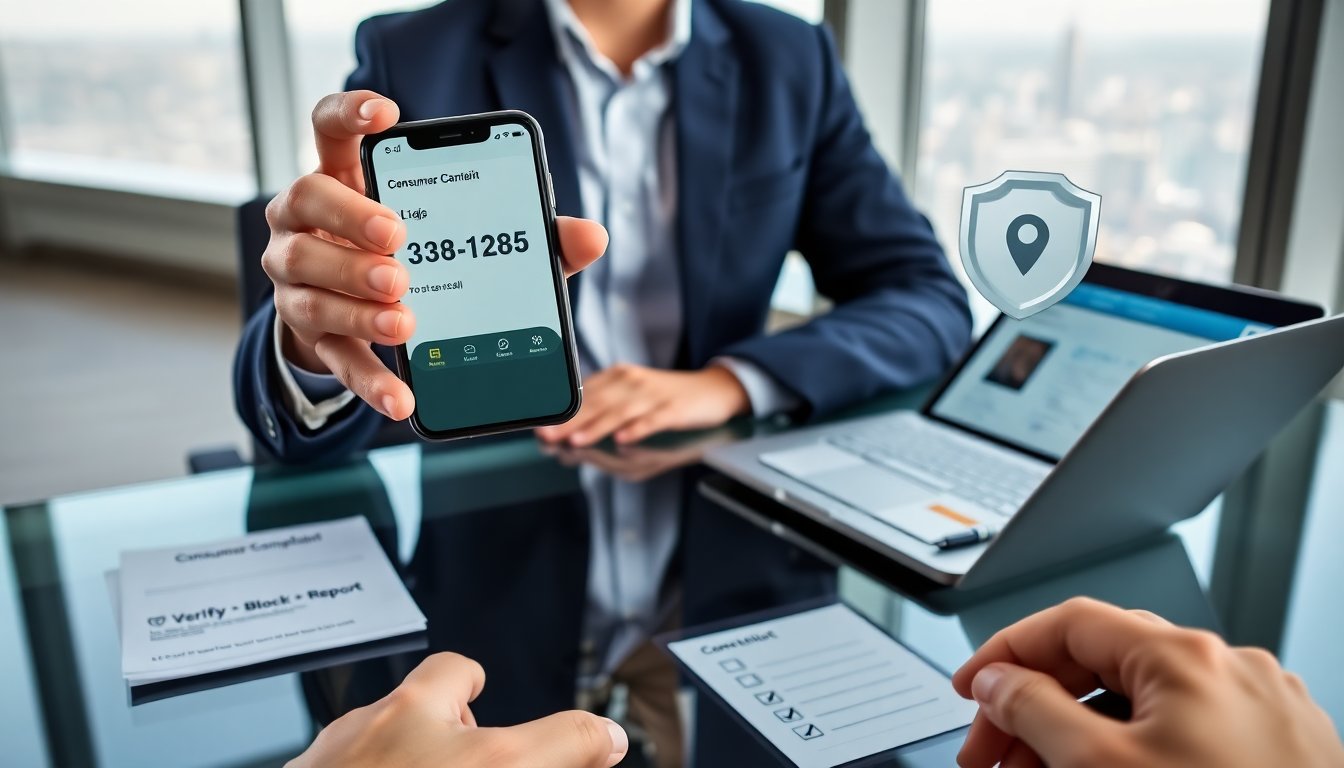
ToggleThe number 338-483-1285 appears in many call logs. The reader sees it and wants to know if it is safe. This article explains clear steps to identify the caller, verify the source, and protect personal data. The guidance uses simple checks, quick tools, and practical actions. The advice fits common smartphones and landlines in 2026.
Key Takeaways
- The number 338-483-1285 often appears in suspicious call logs and may indicate scam attempts.
- Use reverse lookup apps and public complaint sites to verify the authenticity of calls from 338-483-1285.
- Beware of urgent requests for money, personal credentials, or remote access during calls from 338-483-1285, as these are common scam tactics.
- Block and report 338-483-1285 through your phone settings and carrier services to prevent harassment.
- Verify any legitimate calls by cross-checking official phone numbers and requesting written confirmation before sharing sensitive information.
- Sharing information about 338-483-1285 with friends can help protect others, but avoid posting personal details publicly.
What Is 338-483-1285? Quick Identification Steps
Start by checking the call time, frequency, and context. If 338-483-1285 calls repeatedly within minutes, the call likely comes from an automated dialer. If the caller asks for money or personal credentials on the first contact, the call likely targets a scam. Use a reverse lookup app to match the number to a business or reported spam entries. Search public complaint sites and recent forum posts for 338-483-1285. Save screenshots of the call details. They help if the user needs to report the number to a carrier or regulator.
Common Scam And Spam Patterns To Watch For
Scammers use pressure, threats, or fake prizes. They often ask the recipient to act immediately, share a code, or move money. Calls from 338-483-1285 may claim to be a bank, government office, or tech support. Scammers will ask for remote access or one-time passcodes. They will ask the recipient to send money through unusual channels like gift cards or cryptocurrency. If a caller refuses to give a verifiable name and callback number, the call likely intends fraud. The reader should treat unsolicited financial requests as high risk.
Red Flags In Calls And Texts
A caller misstates details and then pressures the recipient. A text contains a short link and asks for login info. A caller uses a caller ID name that doesn’t match the content. A message asks the recipient to confirm a code that they did not request. A caller claims legal action and demands immediate payment. A text promises large sums for a small fee. The recipient should not click unknown links, reply to requests for codes, or reveal passwords to anyone who calls unexpectedly.
How To Block, Report, And Trace The Number Effectively
The user can block 338-483-1285 in the phone settings to stop calls and texts. The user can report the number to their mobile carrier through the carrier’s spam-reporting service. The user can file a complaint with the national regulator and with consumer complaint sites. The user can forward scam texts to shortcodes the carrier provides. The user can use a paid reverse-lookup or a call-trace service for persistent harassment. The user should share the number with friends to warn them, but should avoid reposting personal data publicly.
When The Number Might Be Legitimate And How To Verify It
A legitimate caller will provide verifiable details and an official callback number. A business will confirm an account number or recent transaction details that only the recipient would know. The recipient should place the official phone number from a company website into the phone and call back. The recipient should ask for a written confirmation email from the caller’s official domain. If the caller resists verification, the recipient should assume the call is not legitimate. Verification protects accounts and prevents unnecessary data exposure.