Table of Contents
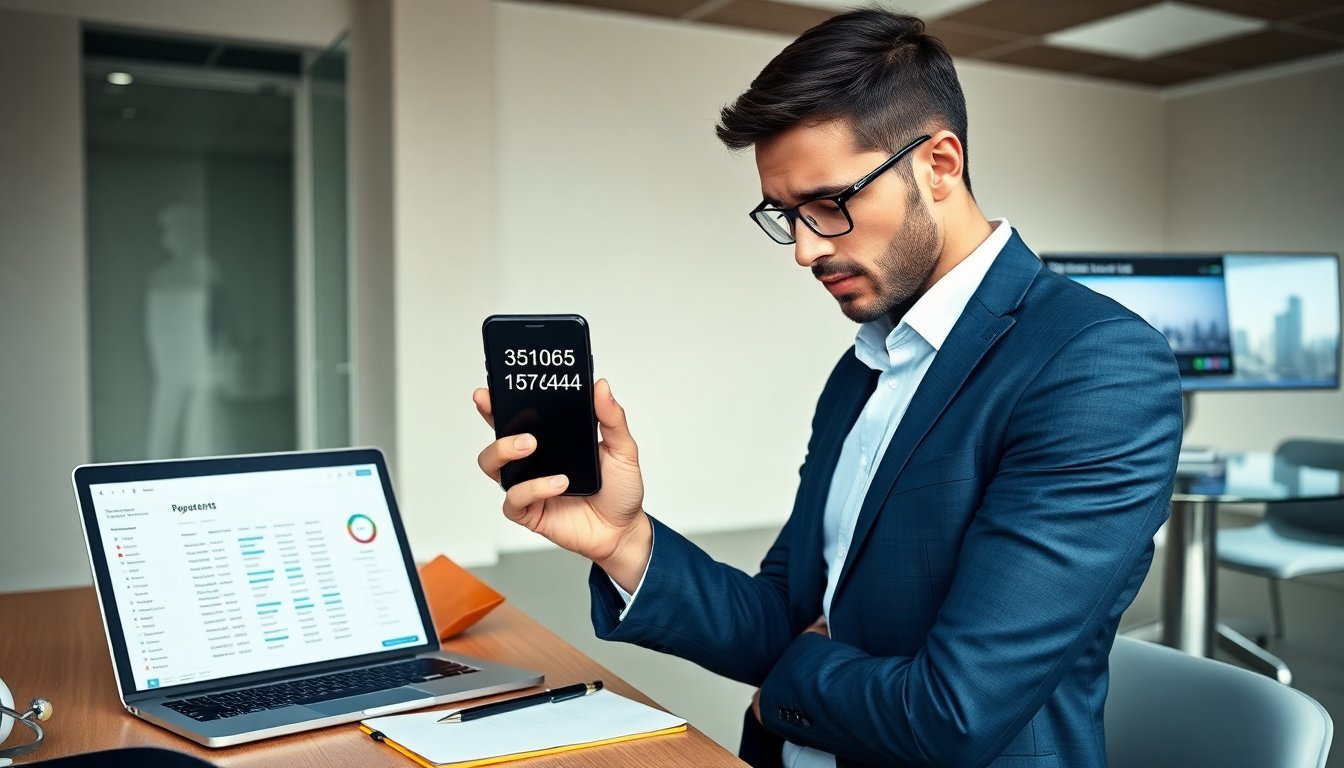
ToggleThe number 3510515743 appears on a phone or log. People see 3510515743 and want a clear answer. This article lists likely explanations, shows how to check the source, and gives steps to stay safe if 3510515743 contacts someone.
Key Takeaways
- The number 3510515743 can represent a phone number, a spoofed ID, or an internal app identifier, so always consider multiple possibilities.
- Always verify the source of 3510515743 by checking reverse phone lookups, social media, and official business contacts before responding.
- Avoid sharing personal information or clicking links from 3510515743 to protect yourself from scams or malware.
- Use your phone’s block feature to stop unwanted calls from 3510515743 and report repeated contacts to your carrier for further action.
- If you suspect fraud linked to 3510515743, gather evidence and report it to law enforcement and consumer protection agencies to help prevent others from being targeted.
- Businesses should internally trace 3510515743 in logs, update security protocols, and document findings to address any related security issues efficiently.
What 3510515743 Could Actually Be
The string 3510515743 can represent several common items. It can be a legitimate phone number from a service, a spoofed caller ID, an automated message source, or a database identifier used by an app. In many cases, 3510515743 looks like a domestic phone number. Scammers and telemarketers sometimes use such numbers to hide their real origin. Fraud tools can display 3510515743 while the caller runs through a list of targets.
Regulatory and business systems also assign numeric IDs similar to 3510515743. An app may log 3510515743 as a transaction ID, a device ID, or a session token. A user who sees 3510515743 in a notification may actually be looking at internal system data rather than a contact. Email headers and server logs sometimes show numbers like 3510515743 when they mask longer identifiers.
Tech support calls may display 3510515743 when a company uses pooled outbound lines. Those pools reuse numbers and show 3510515743 for calls from different agents. Knowing that 3510515743 can mean multiple things helps someone avoid a single assumption. When 3510515743 appears repeatedly, it often indicates an automated system or a persistent service rather than a one-off human caller.
How To Identify The Source And Assess Risk
A person should treat 3510515743 as unknown until they confirm it. They should avoid providing personal information to anyone claiming identity from 3510515743. They should collect context: time, message content, and any links or attachments. That context helps assess risk.
Next, the person should search public reverse lookup directories for 3510515743. They should check social media and local business listings for matches to 3510515743. If the lookup shows complaints or scam reports linked to 3510515743, the person should mark the source as high risk. If the lookup shows a verified business, the person should still confirm details by calling the official number on the business website rather than returning a call to 3510515743.
The person should also check device logs and app notifications when they see 3510515743. They should verify whether an app or service generated the number. If an app logged 3510515743 during a recent transaction, the person should open that app and review recent activity. If the app shows matching activity, the person should follow the app’s official support steps rather than interacting with 3510515743 directly.
Practical Safety Steps If You’re Contacted By 3510515743
If someone receives a call or message from 3510515743, they should pause before responding. They should not click links or download attachments tied to 3510515743. They should not share passwords, bank details, or one-time codes with anyone who contacts them from 3510515743.
The person should use the phone’s built-in block function to stop calls from 3510515743 after they record necessary details. They should report repeated unwanted contact from 3510515743 to their carrier. Carriers can trace or block numbers like 3510515743 and can sometimes offer refunds for premium-rate scams.
The person should enable two-factor authentication on sensitive accounts to limit damage if 3510515743 is part of a credential-stuffing attempt. They should change passwords on accounts that use the same password as any account exposed after contact from 3510515743. They should run a quick malware scan on their device when links arrive from 3510515743.
If the person suspects fraud from 3510515743, they should gather evidence: screenshots, call timestamps, and message text. They should submit that evidence to local law enforcement and to the national fraud reporting center. They should also file a complaint with consumer protection sites that track scam numbers. Listing 3510515743 on those sites helps warn other people.
For businesses that see 3510515743 in logs, the IT team should trace the number internally. The team should check call routing, outbound number pools, and API logs for any process using 3510515743. The team should rotate any compromised keys, revoke sessions tied to 3510515743, and update firewall rules if needed. They should document findings so future incidents that show numbers like 3510515743 resolve faster.