
Table of Contents
ToggleMaintenance checklists vs. ad hoc maintenance, it’s a debate that facility managers, fleet operators, and maintenance teams face regularly. Should they follow a structured, repeatable process? Or is it better to fix things as they break? The answer depends on several factors, including equipment type, budget, and operational priorities. This article breaks down both approaches, compares their strengths and weaknesses, and helps teams decide which method fits their needs. By the end, readers will understand how maintenance checklists and reactive strategies can work together, or when one clearly outperforms the other.
Key Takeaways
- Maintenance checklists provide structured, proactive equipment care that reduces unexpected breakdowns and extends asset lifespan.
- Ad hoc maintenance works best for non-critical, low-cost, or rarely used equipment where failure doesn’t significantly impact operations.
- High-value, production-critical assets almost always benefit from maintenance checklists due to lower long-term costs and better reliability.
- A tiered hybrid approach combines maintenance checklists for critical equipment with ad hoc methods for less important assets to optimize resources.
- Proper documentation through checklists ensures regulatory compliance, easier audits, and valuable data for maintenance trend analysis.
- The 80/20 rule suggests focusing structured maintenance checklists on the 20% of equipment that drives 80% of operational importance.
What Are Maintenance Checklists?
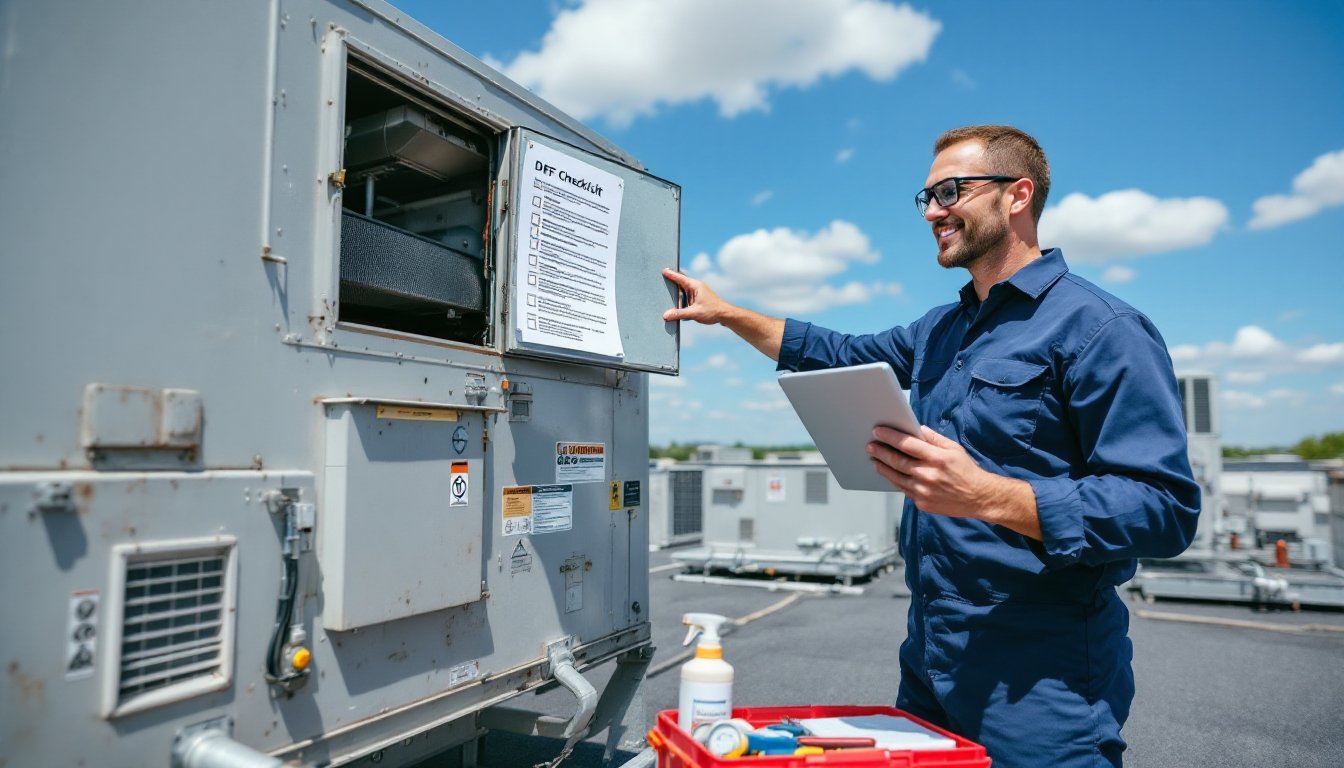
Maintenance checklists are structured documents that outline specific tasks, inspections, and procedures for equipment upkeep. They provide a step-by-step guide for technicians to follow during routine maintenance cycles.
These checklists typically include:
- Inspection items: Visual checks, fluid levels, wear indicators
- Task sequences: Lubrication, filter changes, belt adjustments
- Frequency schedules: Daily, weekly, monthly, or annual tasks
- Sign-off sections: Documentation of completed work
Maintenance checklists serve as a form of preventive maintenance. They help teams catch small problems before they become expensive failures. A technician following a checklist won’t forget to inspect the air filter or check hydraulic fluid levels, every task is documented and accounted for.
Organizations that use maintenance checklists often report fewer unexpected breakdowns. They also benefit from better compliance with safety regulations and manufacturer recommendations. When auditors or inspectors arrive, having completed checklists provides clear evidence of proper equipment care.
The structure of maintenance checklists also makes training easier. New team members can follow established procedures without extensive supervision. This consistency reduces human error and ensures every piece of equipment receives the same level of attention.
The Ad Hoc Maintenance Approach
Ad hoc maintenance, sometimes called reactive or corrective maintenance, takes a different philosophy. Instead of following scheduled procedures, teams respond to problems as they occur. Equipment runs until something breaks or shows signs of failure.
This approach has its place. Some assets simply don’t justify the cost of regular inspections. A rarely used backup generator, for example, might not need weekly maintenance checklists. Checking it quarterly or only before storm season could be more practical.
Ad hoc maintenance requires less upfront planning. There’s no need to create detailed checklists, schedule routine inspections, or track preventive tasks. Teams respond when called, fix what’s broken, and move on.
But, reactive maintenance carries risks. Equipment failures often happen at the worst possible times. A production line that stops unexpectedly can cost thousands per hour in lost output. Emergency repairs typically cost more than planned maintenance because of rush parts orders and overtime labor.
Ad hoc maintenance also makes budgeting difficult. Maintenance costs become unpredictable. One month might see minimal expenses, while the next brings a catastrophic failure requiring major repairs.
Even though these drawbacks, some organizations prefer ad hoc methods for non-critical assets. The key is knowing which equipment truly needs structured maintenance checklists and which can safely operate on a run-to-failure basis.
Key Differences Between Checklists and Ad Hoc Maintenance
Understanding the core differences between maintenance checklists and ad hoc approaches helps teams make informed decisions.
| Factor | Maintenance Checklists | Ad Hoc Maintenance |
|---|---|---|
| Planning | Proactive, scheduled | Reactive, as-needed |
| Cost predictability | High | Low |
| Downtime | Planned, minimal | Unplanned, potentially extended |
| Documentation | Comprehensive | Often limited |
| Equipment lifespan | Typically extended | May be shortened |
| Labor efficiency | Optimized scheduling | Variable demand |
Cost implications represent a major distinction. Maintenance checklists require ongoing investment in routine tasks. Ad hoc maintenance might seem cheaper initially but often leads to higher long-term costs through emergency repairs and premature equipment replacement.
Documentation differences matter for compliance and analysis. Checklists create automatic records of every inspection and task. Ad hoc repairs may or may not get properly documented, depending on the organization’s discipline.
Equipment reliability also varies significantly. Assets maintained through structured checklists typically experience fewer unexpected failures. They run longer and perform more consistently than equipment left to operate until something breaks.
The right choice often comes down to equipment criticality. High-value, production-critical assets almost always benefit from maintenance checklists. Low-priority, easily replaceable items might reasonably follow an ad hoc strategy.
When to Use Each Approach
Selecting between maintenance checklists and ad hoc methods depends on several practical factors.
Use Maintenance Checklists When:
- Equipment is critical to operations: Production machinery, HVAC systems, and safety equipment need regular attention
- Failure costs are high: Assets where downtime means lost revenue or safety risks
- Manufacturer warranties require it: Many warranties mandate documented preventive maintenance
- Regulatory compliance applies: Healthcare, food processing, and aviation industries often require maintenance records
- Equipment is complex: Multi-system assets with many potential failure points
Consider Ad Hoc Maintenance When:
- Assets are non-critical: Backup equipment or redundant systems
- Replacement costs are low: Items cheaper to replace than maintain
- Failure doesn’t impact operations: Equipment with no downstream effects when it stops
- Usage is infrequent: Rarely used tools or seasonal equipment
Most organizations find that maintenance checklists work best for their core assets. A manufacturing plant might use detailed checklists for production equipment while taking an ad hoc approach to break room appliances. That’s a sensible division of effort.
The 80/20 rule often applies here. Roughly 20% of equipment typically accounts for 80% of operational importance. Those critical assets deserve structured maintenance checklists. The remaining 80% might function fine with minimal preventive attention.
Combining Both Methods for Optimal Results
Smart maintenance programs don’t treat checklists and ad hoc methods as mutually exclusive. They blend both approaches based on asset importance and risk.
A hybrid strategy might look like this:
- Tier 1 assets: Full maintenance checklists with daily, weekly, and monthly tasks
- Tier 2 assets: Simplified checklists with quarterly inspections
- Tier 3 assets: Ad hoc maintenance with run-to-failure acceptable
This tiered approach concentrates resources where they matter most. Critical production equipment gets comprehensive attention through detailed maintenance checklists. Less important assets receive proportionally less preventive care.
Many organizations also use condition-based triggers alongside checklists. They might follow standard maintenance checklists for routine tasks while monitoring equipment sensors. If vibration levels spike or temperatures rise unexpectedly, they respond immediately, even if the next scheduled maintenance isn’t due.
The goal is efficiency without excessive risk. Over-maintaining equipment wastes money. Under-maintaining it causes failures. Finding the balance requires knowing each asset’s criticality, failure patterns, and replacement costs.
Modern maintenance software makes this hybrid approach easier. Teams can manage different maintenance checklists for different equipment tiers while tracking ad hoc repairs in the same system. This unified view helps managers spot trends and adjust strategies over time.