
Table of Contents
ToggleTop maintenance checklists save homeowners thousands of dollars each year. A small leak ignored today becomes a $10,000 repair next month. A skipped oil change turns into a blown engine. These aren’t scare tactics, they’re patterns that property managers and mechanics see constantly.
The good news? Prevention is straightforward. With the right maintenance checklists, anyone can stay ahead of costly breakdowns. This guide covers essential checklists for homes, vehicles, and appliances. It also explains how to build a custom checklist that fits specific needs.
Key Takeaways
- Top maintenance checklists help homeowners save thousands by catching small problems before they become expensive repairs.
- Preventive maintenance costs about 1% of a home’s value annually, while neglect-driven repairs can run 10-15% or more.
- Seasonal home maintenance should include roof inspections in spring, HVAC servicing in fall, and pipe monitoring in winter.
- Vehicle maintenance checklists should cover monthly tire and fluid checks, regular oil changes, and immediate attention to warning lights.
- Appliance care—like cleaning refrigerator coils and replacing washer hoses—can extend equipment life by several years.
- Create a custom maintenance checklist by inventorying all equipment, grouping tasks by frequency, and setting calendar reminders.
Why Maintenance Checklists Matter
Maintenance checklists transform vague intentions into concrete actions. Most people know they should “keep up with things,” but without a system, tasks slip through the cracks. A checklist removes the guesswork.
Here’s what regular maintenance checklists actually accomplish:
- Cost savings: The National Association of Home Builders estimates that preventive maintenance costs 1% of a home’s value annually. Major repairs from neglect? Those run 10-15% or more.
- Extended equipment life: HVAC systems last 15-25 years with proper care. Without it, expect 8-12 years.
- Safety: Faulty wiring, gas leaks, and structural damage often show early warning signs. Maintenance checklists catch these before they become emergencies.
- Peace of mind: Knowing systems are checked regularly reduces stress. No more wondering if the furnace will fail in January.
Maintenance checklists also create accountability. When tasks are written down, they get done. When they’re floating in someone’s head, they get forgotten.
The best part? These checklists don’t require expertise. They require consistency. Even a basic monthly walkthrough catches 80% of problems before they escalate.
Seasonal Home Maintenance Checklist
Homes need different care as seasons change. This seasonal home maintenance checklist covers the essentials.
Spring Maintenance Tasks
- Inspect the roof for winter damage, missing shingles, or debris
- Clean gutters and downspouts
- Check the foundation for cracks
- Service the air conditioning unit before summer heat arrives
- Test smoke detectors and carbon monoxide alarms
- Power wash siding, decks, and driveways
Summer Maintenance Tasks
- Inspect window and door seals
- Check outdoor faucets and irrigation systems for leaks
- Trim trees and shrubs away from the house
- Clean dryer vents (a leading cause of house fires)
- Inspect the attic for proper ventilation
Fall Maintenance Tasks
- Have the furnace inspected and serviced
- Seal gaps around windows and doors
- Disconnect garden hoses and winterize outdoor faucets
- Check weatherstripping on garage doors
- Clean chimneys and inspect fireplaces
- Rake leaves away from the foundation
Winter Maintenance Tasks
- Monitor for ice dams on the roof
- Check pipes in unheated areas for freezing risk
- Test sump pumps
- Replace furnace filters monthly during heavy use
- Inspect insulation in the attic
This maintenance checklist works for most climates. Adjust timing based on local weather patterns.
Vehicle Maintenance Checklist
Vehicles need regular attention to run safely and efficiently. This vehicle maintenance checklist covers items most owners can track themselves.
Monthly checks:
- Tire pressure and tread depth
- All fluid levels (oil, coolant, brake fluid, windshield washer)
- Lights and turn signals
- Wiper blade condition
Every 3,000-7,500 miles (varies by vehicle):
- Oil and filter change
- Tire rotation
- Air filter inspection
Every 15,000-30,000 miles:
- Brake inspection
- Transmission fluid check
- Coolant system flush
- Spark plug replacement (check owner’s manual)
Annual items:
- Battery test and terminal cleaning
- Suspension and steering inspection
- Exhaust system check
- Alignment check if the vehicle pulls to one side
The owner’s manual remains the best source for specific maintenance intervals. Modern vehicles often have longer intervals than older models, so don’t assume all cars need the same schedule.
One common mistake: ignoring warning lights. That check engine light might indicate something minor, or something that will strand you on the highway. Top maintenance checklists include “address warning lights immediately” as a standing item.
Appliance and HVAC Maintenance Checklist
Major appliances and HVAC systems represent significant investments. This maintenance checklist keeps them running efficiently.
HVAC System
- Replace air filters every 1-3 months
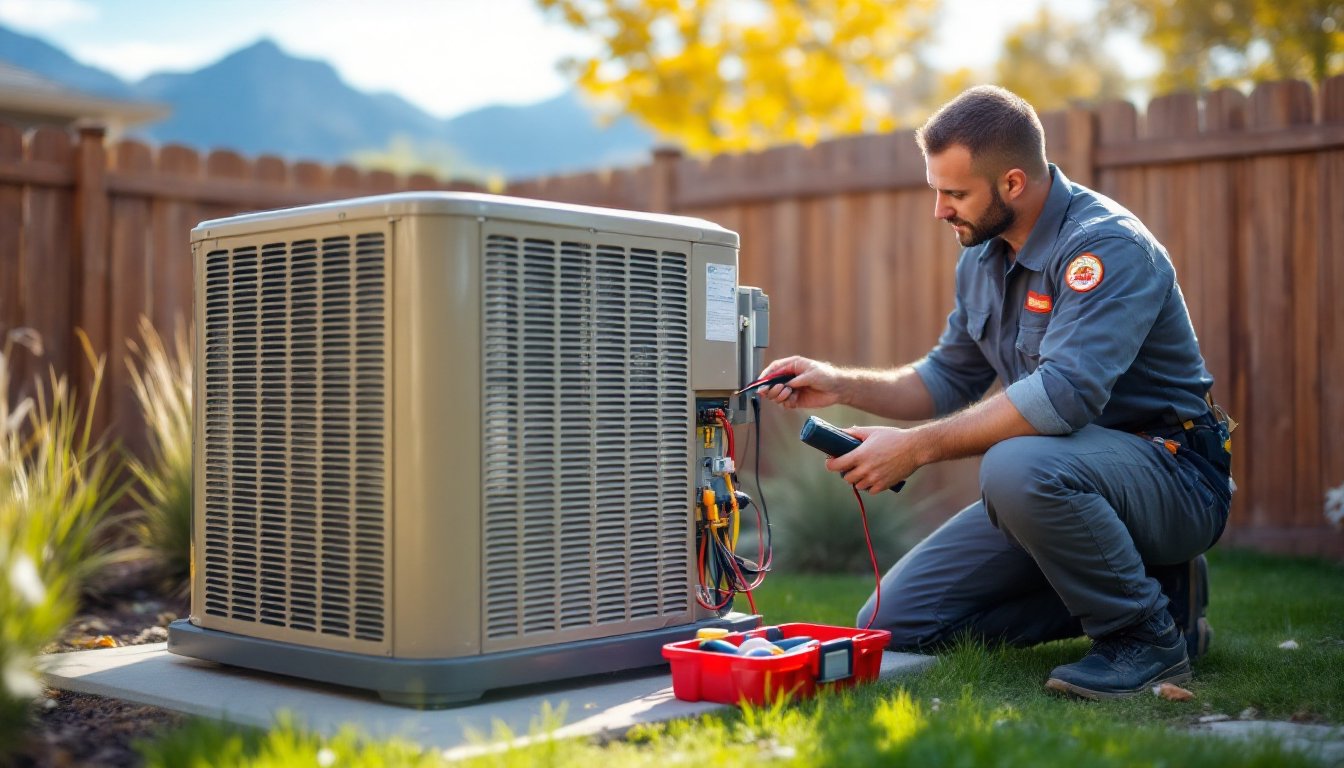
- Schedule professional inspection twice yearly (spring and fall)
- Clean air vents and returns
- Check thermostat batteries annually
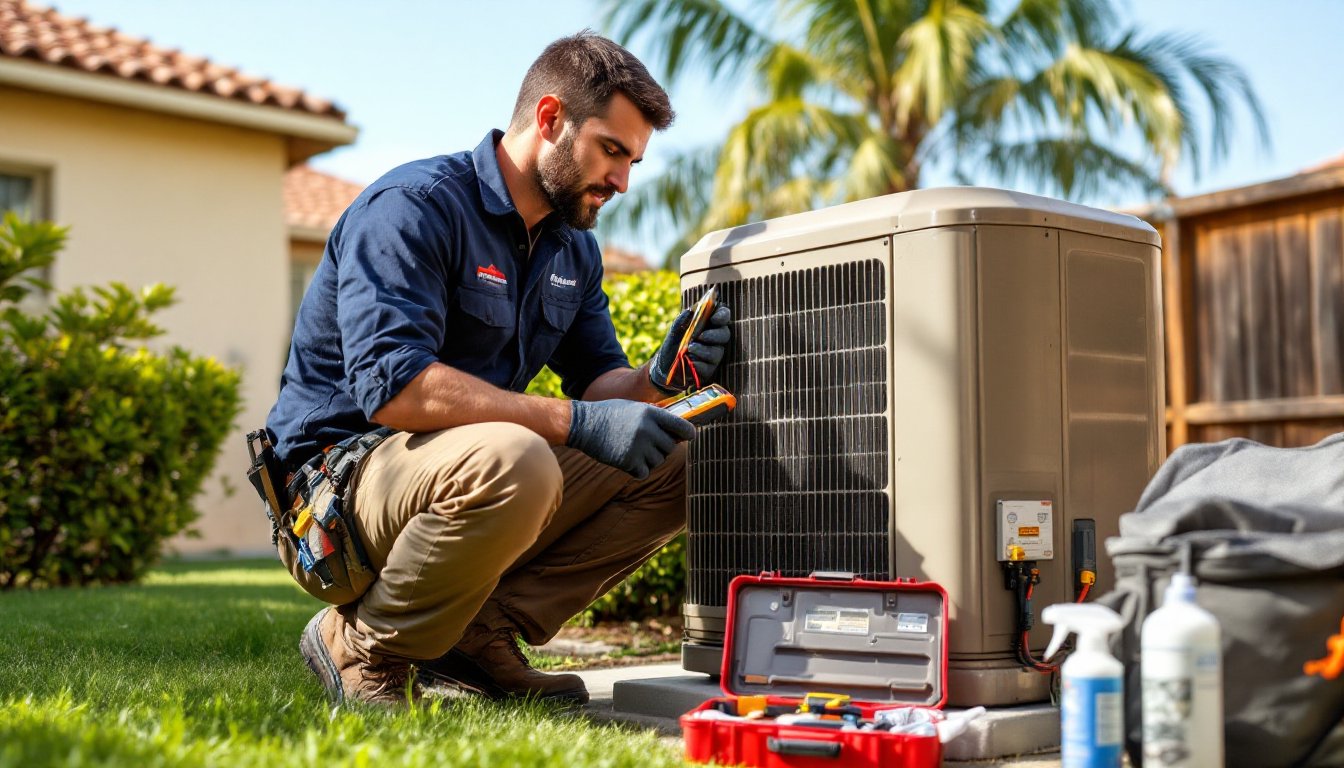
- Clear debris from outdoor condenser units
- Inspect ductwork for leaks every few years
Refrigerator
- Clean condenser coils twice yearly (they’re usually behind or beneath the unit)
- Check door seals for cracks or gaps
- Set temperature between 35-38°F for the fridge, 0°F for the freezer
- Empty and clean drip pan if accessible
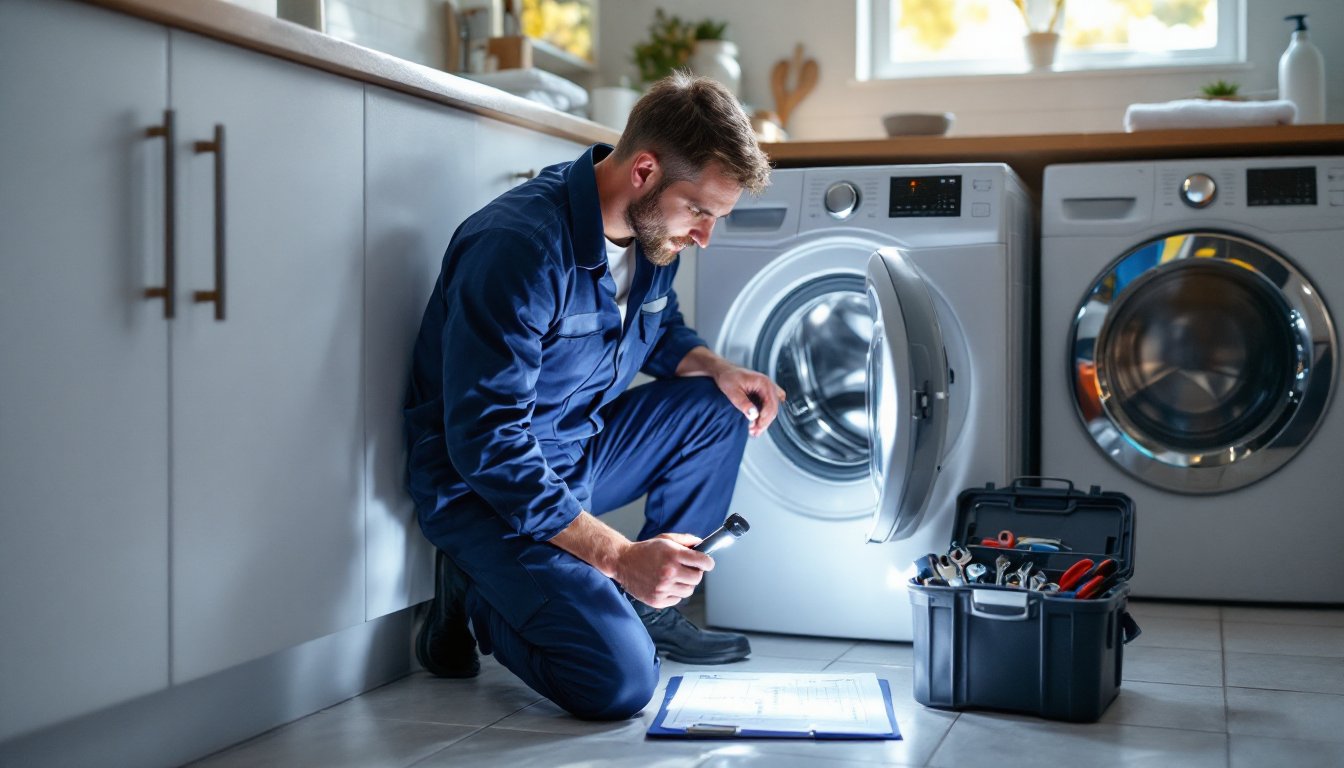
Washing Machine
- Run a cleaning cycle monthly with washer cleaner or white vinegar
- Check hoses for bulges or cracks
- Replace hoses every 3-5 years (even if they look fine)
- Leave the door open after use to prevent mold
Dishwasher
- Clean the filter monthly
- Run an empty cycle with vinegar quarterly
- Check spray arms for clogs
- Inspect door gasket for debris
Water Heater
- Flush the tank annually to remove sediment
- Test the pressure relief valve yearly
- Check the anode rod every 2-3 years
- Inspect for leaks or corrosion
These maintenance checklists extend appliance life by years. A refrigerator that should last 13 years might run 18+ with proper care.
How to Create Your Own Custom Maintenance Checklist
Generic maintenance checklists provide a starting point. Custom checklists address specific situations.
Step 1: Inventory everything that needs maintenance
Walk through the property. Note every system, appliance, and feature that requires periodic attention. Don’t forget:
- Pool or hot tub equipment
- Septic systems
- Well pumps
- Solar panels
- Security systems
- Lawn equipment
Step 2: Research maintenance requirements
Pull out owner’s manuals. Check manufacturer websites. Note recommended service intervals for each item.
Step 3: Group tasks by frequency
Organize items into categories: weekly, monthly, quarterly, seasonal, and annual. This prevents overwhelming monthly lists while ensuring nothing gets missed.
Step 4: Assign dates and set reminders
Digital calendars work well for recurring reminders. Some people prefer physical checklists posted in the garage or utility room. The best system is whichever one gets used.
Step 5: Track completion and notes
Record when tasks were completed and any observations. “Furnace filter replaced 10/15. Noticed slight rattle, schedule inspection” provides valuable context for future reference.
Step 6: Review and adjust annually
Needs change. New equipment arrives. Old systems get replaced. Update maintenance checklists each January to reflect the current situation.
Many property management apps now offer maintenance checklist templates. These can save time, though a simple spreadsheet works equally well.