
Table of Contents
ToggleMaintenance checklists keep equipment running smoothly and prevent costly breakdowns. These simple documents list every task, inspection, and repair needed to maintain assets in peak condition. Whether a facility manager oversees an industrial plant or a homeowner maintains a property, maintenance checklists provide structure and consistency.
Without a clear system, important tasks slip through the cracks. A forgotten oil change leads to engine failure. An unchecked HVAC filter drives up energy costs. Maintenance checklists eliminate guesswork and ensure nothing gets missed. This guide explains what maintenance checklists are, why they matter, and how to create one that actually works.
Key Takeaways
- Maintenance checklists prevent costly breakdowns by ensuring every inspection, task, and repair is completed on schedule.
- Preventive maintenance programs using checklists can reduce equipment downtime by 25-30% and extend asset lifespan by 20-40%.
- Effective maintenance checklists include clear task descriptions, frequencies, assigned responsibilities, and completion tracking.
- Consult manufacturer guidelines and experienced staff when creating maintenance checklists to address real-world equipment needs.
- Start with simple, accessible checklists and refine them based on feedback—complex checklists often get ignored.
- Regularly review completed checklists, track performance metrics, and update procedures to keep your maintenance program effective.
What Is a Maintenance Checklist?
A maintenance checklist is a document that outlines specific tasks required to keep equipment, facilities, or systems in good working order. It serves as a step-by-step guide for technicians, operators, or property owners.
Maintenance checklists typically include:
- Task descriptions – Clear instructions for each maintenance activity
- Frequency – How often each task should be completed (daily, weekly, monthly, annually)
- Responsible parties – Who performs each task
- Completion tracking – Checkboxes or sign-off fields to confirm work is done
- Notes section – Space for observations or issues discovered during inspection
These checklists can be paper-based or digital. Many organizations now use maintenance management software to automate scheduling and track completion. Regardless of format, a maintenance checklist standardizes procedures and creates accountability.
For example, a manufacturing plant might use a maintenance checklist to inspect conveyor belts every shift. The checklist ensures operators check belt tension, clean debris, and report wear patterns. This consistent approach catches problems early and extends equipment life.
Benefits of Using Maintenance Checklists
Maintenance checklists deliver measurable improvements across multiple areas. Here’s why organizations rely on them:
Reduced Equipment Downtime
Planned maintenance prevents unexpected failures. A maintenance checklist schedules inspections before problems escalate. Studies show preventive maintenance programs reduce equipment downtime by 25-30%. That translates directly to higher productivity and lower repair costs.
Improved Safety
Defective equipment creates workplace hazards. Maintenance checklists ensure safety-critical items get inspected regularly. Fire extinguisher checks, electrical system inspections, and emergency exit testing all belong on maintenance checklists. Consistent inspections protect workers and reduce liability.
Extended Asset Lifespan
Equipment lasts longer with proper care. Oil changes, filter replacements, and calibration checks prevent premature wear. A maintenance checklist ensures these tasks happen on schedule. Organizations that follow structured maintenance programs report 20-40% longer equipment lifespans.
Better Documentation
Maintenance checklists create a paper trail. Completed checklists show what work was done, when, and by whom. This documentation proves valuable during audits, warranty claims, and equipment troubleshooting. It also helps identify recurring issues that need permanent fixes.
Consistent Quality
Different technicians perform tasks the same way when following a maintenance checklist. This consistency reduces errors and ensures nothing gets overlooked. New employees can follow established procedures without extensive training.
Types of Maintenance Checklists
Different situations call for different maintenance checklists. Here are the most common types:
Preventive Maintenance Checklists
These checklists schedule routine tasks to prevent equipment failure. Examples include oil changes, belt replacements, and filter cleaning. Preventive maintenance checklists follow manufacturer recommendations and industry best practices.
Inspection Checklists
Inspection checklists guide visual and functional assessments. Technicians check for wear, damage, leaks, or unusual sounds. These checklists don’t always require repairs, they identify conditions that need attention.
Safety Checklists
Safety maintenance checklists focus on protective equipment and hazard prevention. Fire alarm testing, emergency lighting checks, and guardrail inspections fall into this category. Regulatory agencies often mandate specific safety checklist items.
Seasonal Checklists
Some maintenance tasks depend on the time of year. HVAC systems need different attention in summer versus winter. Seasonal maintenance checklists prepare equipment for changing conditions. Winterizing pipes and servicing air conditioning units are typical examples.
Equipment-Specific Checklists
Complex machinery often requires dedicated maintenance checklists. A CNC machine has different maintenance needs than a forklift. Equipment-specific checklists address the unique requirements of individual assets.
Organizations often use multiple maintenance checklist types simultaneously. A facility might combine daily inspection checklists with monthly preventive maintenance checklists and annual safety audits.
How to Create an Effective Maintenance Checklist
Building a useful maintenance checklist requires planning. Follow these steps:
Step 1: Identify Assets
List every piece of equipment, system, or area that needs maintenance. Include model numbers, locations, and serial numbers. This inventory becomes the foundation for all maintenance checklists.
Step 2: Gather Manufacturer Guidelines
Equipment manuals specify recommended maintenance intervals and procedures. Use these guidelines as a starting point for maintenance checklists. Manufacturers know their products best.
Step 3: Consult Experienced Staff
Technicians and operators often know which issues occur frequently. Their input helps maintenance checklists address real-world problems. Ask what breaks down most often and what warning signs appear first.
Step 4: Define Tasks Clearly
Vague instructions lead to inconsistent results. Instead of “check belts,” write “inspect drive belt for cracks, fraying, or glazing: check tension using gauge.” Specific maintenance checklist items get completed correctly.
Step 5: Set Frequencies
Determine how often each task needs completion. Some items require daily attention: others need monthly or annual service. Balance thoroughness against available labor hours.
Step 6: Assign Responsibilities
Clarify who performs each task on the maintenance checklist. Some items suit operators: others require trained technicians. Clear assignments prevent confusion.
Step 7: Test and Refine
A maintenance checklist improves with use. Gather feedback after implementation. Remove unnecessary items and add missing ones. The best checklists evolve based on actual experience.
Best Practices for Implementing Maintenance Checklists
Creating a maintenance checklist is just the beginning. Successful implementation requires ongoing effort:
Train Everyone Involved
People need to understand why maintenance checklists matter. Explain how proper completion prevents breakdowns and protects safety. Training builds buy-in and improves compliance.
Make Checklists Accessible
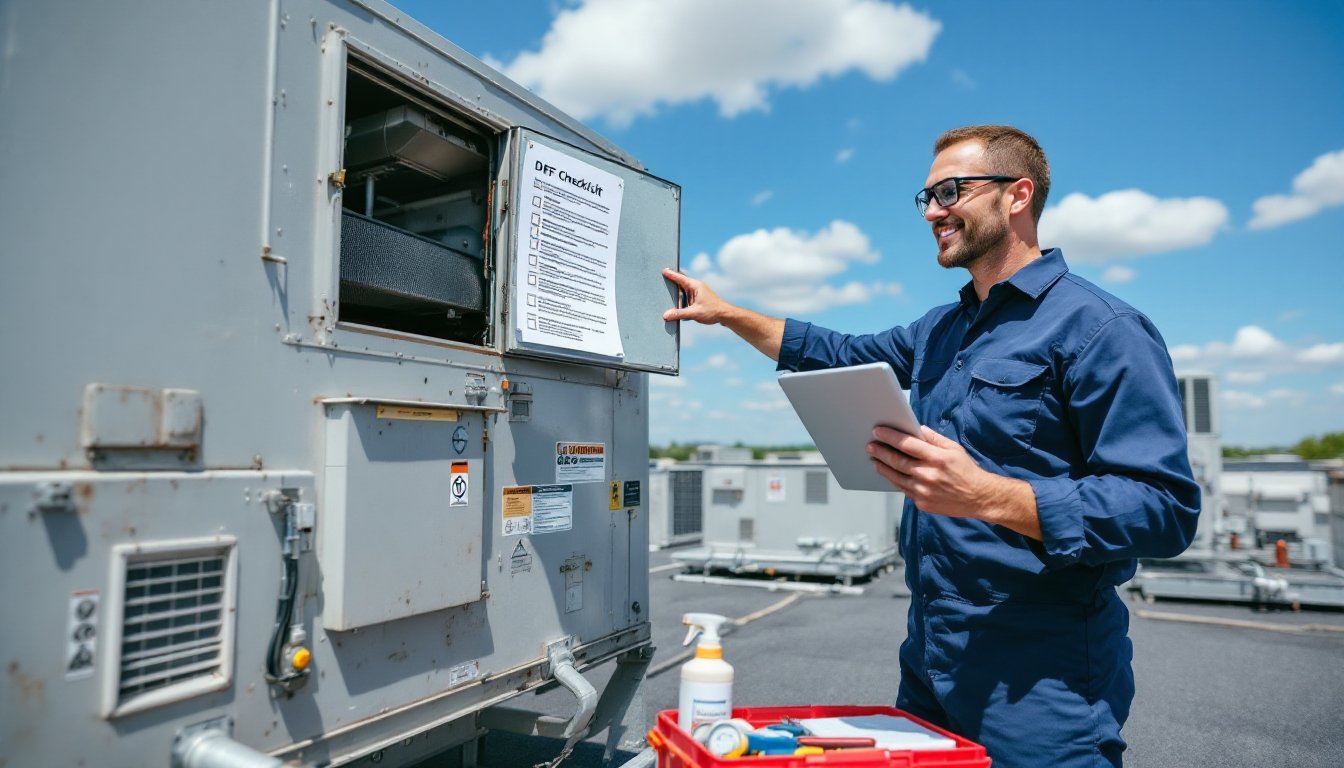
Maintenance checklists should be available where work happens. Mount paper versions near equipment or use mobile apps that technicians can access anywhere. Hard-to-find checklists don’t get used.
Review Completed Checklists
Someone should verify that maintenance checklists are actually completed. Spot-check work quality. Follow up on reported issues. This oversight maintains checklist integrity.
Update Regularly
Equipment ages, regulations change, and new best practices emerge. Review maintenance checklists at least annually. Update task lists, frequencies, and procedures as needed.
Track Metrics
Measure what maintenance checklists accomplish. Monitor equipment uptime, repair costs, and safety incidents. Data shows whether the program works and where improvements are needed.
Start Simple
Overly complex maintenance checklists overwhelm staff. Begin with critical items and expand gradually. A simple checklist that gets completed beats a comprehensive one that gets ignored.