
Table of Contents
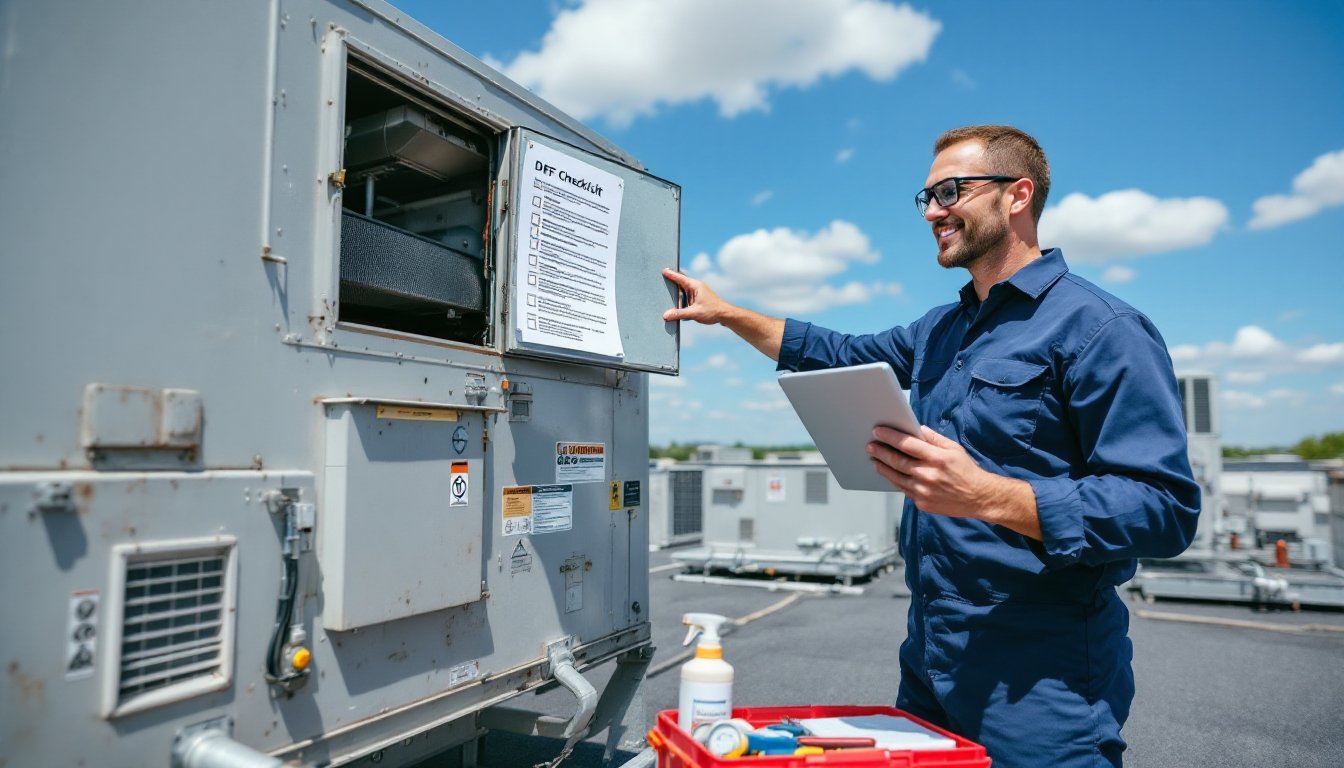
ToggleMaintenance checklists for beginners offer a straightforward way to stay organized and avoid costly repairs. Whether someone owns a home, drives a car, or manages equipment, a simple checklist can prevent small problems from becoming expensive disasters. Many people skip regular maintenance because they don’t know where to start. That’s where a good checklist comes in, it removes the guesswork and builds better habits over time. This guide covers why maintenance checklists matter, what they should include, and how beginners can create their own.
Key Takeaways
- Maintenance checklists for beginners provide structure that transforms overwhelming responsibilities into manageable, actionable steps.
- Preventive maintenance can reduce equipment failure rates by up to 70%, saving money on costly repairs.
- Effective checklists include clear task descriptions, frequency schedules, space for notes, and priority levels.
- Start small with 10-15 essential tasks and expand your maintenance checklist over time to build momentum.
- Group related tasks together and set calendar reminders to ensure consistent completion.
- Treat your checklist as a living document—review and adjust it quarterly as your needs change.
Why Maintenance Checklists Matter
A maintenance checklist keeps tasks visible and trackable. Without one, people tend to forget important upkeep until something breaks. That forgotten oil change? It could lead to engine damage. Those uncleaned gutters? They might cause water damage to the foundation.
Maintenance checklists help beginners in several key ways:
- They prevent expensive repairs. Catching issues early costs less than fixing major damage later.
- They save time. A written list eliminates the need to remember every task.
- They reduce stress. Knowing what needs attention, and when, brings peace of mind.
- They extend the lifespan of belongings. Regular care keeps cars, appliances, and homes in better condition longer.
Studies show that preventive maintenance can reduce equipment failure rates by up to 70%. The same logic applies to household items and vehicles. A maintenance checklist transforms reactive scrambling into proactive planning.
For beginners, the biggest benefit is structure. Starting from scratch feels overwhelming, but a checklist breaks large responsibilities into small, manageable steps.
Essential Components of an Effective Checklist
Not all maintenance checklists work equally well. An effective checklist includes specific elements that make it useful rather than just another ignored document.
Clear task descriptions sit at the top of the priority list. Vague items like “check stuff” don’t help anyone. Instead, write “check smoke detector batteries” or “inspect tire tread depth.” Specificity drives action.
Frequency schedules tell users when each task needs attention. Some jobs require weekly attention, while others happen monthly, quarterly, or annually. A maintenance checklist should indicate timing for every item.
Space for notes and dates allows users to track completion. Recording when a task was last done helps establish patterns and proves useful when selling a home or vehicle.
Priority levels help beginners focus on what matters most. Safety-related tasks (like checking carbon monoxide detectors) should rank higher than cosmetic concerns (like cleaning light fixtures).
Contact information for professionals can save time during emergencies. Include phone numbers for plumbers, electricians, mechanics, and other service providers.
A good maintenance checklist fits its user’s needs. Someone renting an apartment needs different items than a homeowner with a large property. Customization matters, but these core components should appear in every version.
Common Types of Maintenance Checklists
Different areas of life require different maintenance checklists. Beginners typically start with home and vehicle maintenance since these represent the largest investments most people make.
Home Maintenance
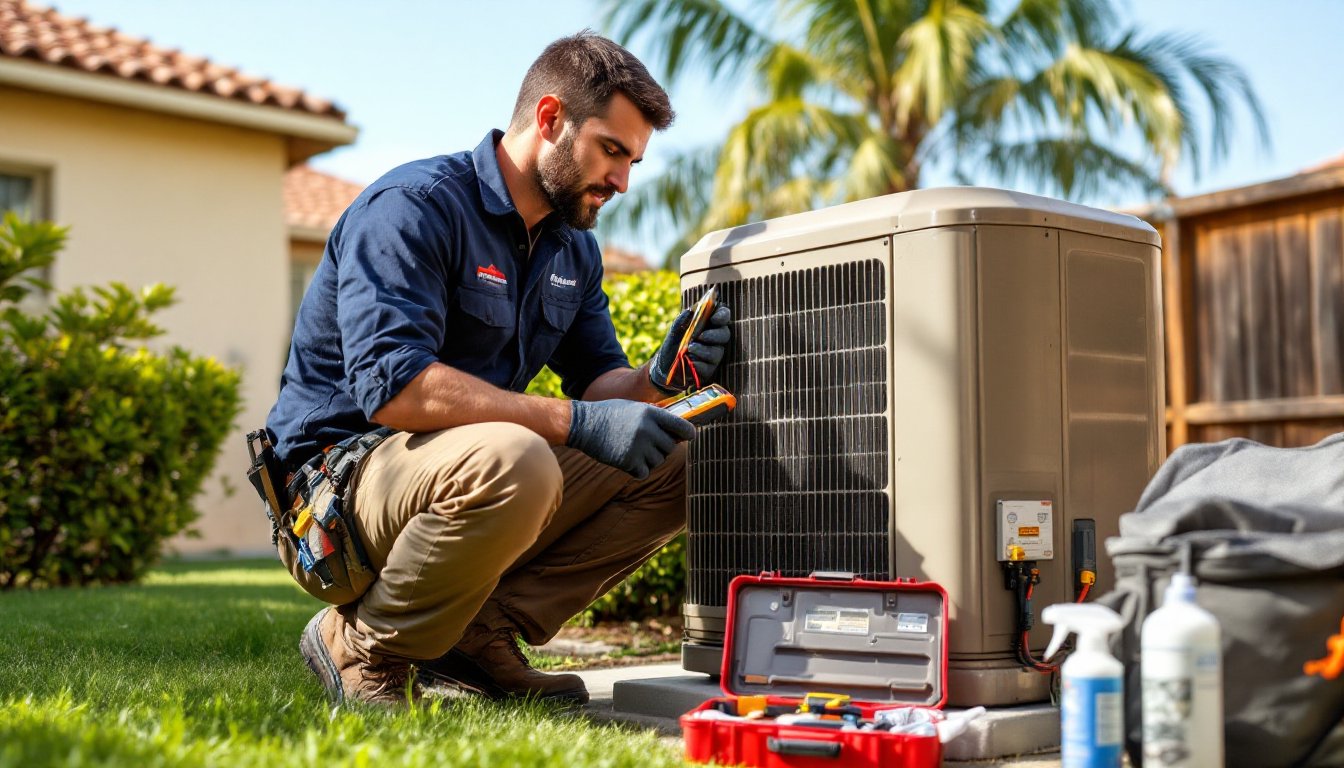
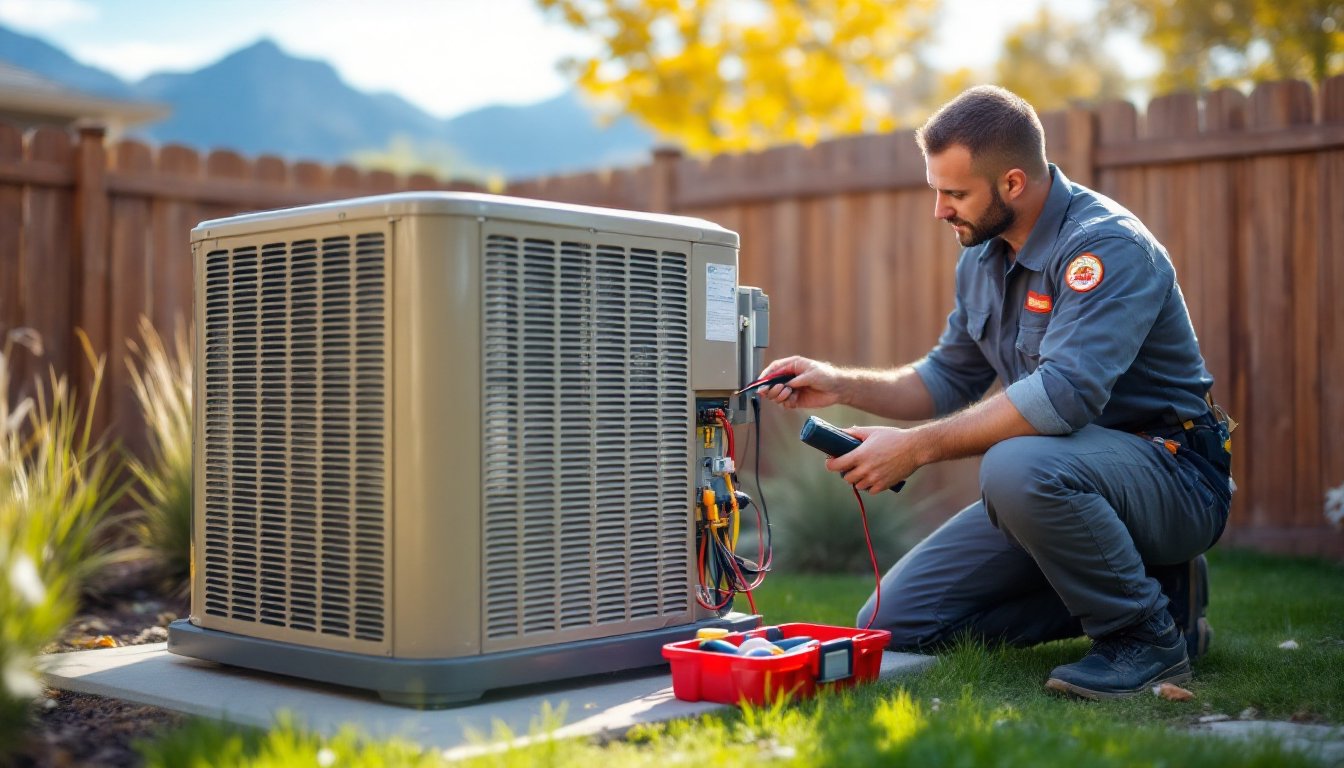
A home maintenance checklist covers everything from HVAC systems to roof inspections. Beginners should organize tasks by season or frequency.
Monthly tasks often include:
- Testing smoke and carbon monoxide detectors
- Checking HVAC filters (replace every 1-3 months)
- Inspecting for water leaks under sinks
- Cleaning garbage disposal with ice and citrus
Seasonal tasks typically involve:
- Cleaning gutters (spring and fall)
- Servicing the HVAC system (before summer and winter)
- Checking weatherstripping on doors and windows
- Testing sump pumps before rainy seasons
Annual tasks might include:
- Flushing the water heater
- Inspecting the roof for damage
- Cleaning dryer vents
- Checking the foundation for cracks
Vehicle Maintenance
A vehicle maintenance checklist keeps cars running safely and efficiently. Most items follow mileage intervals rather than calendar dates.
Every 3,000-5,000 miles:
- Change engine oil and filter
- Check tire pressure and tread
- Top off windshield washer fluid
Every 15,000-30,000 miles:
- Replace air filter
- Rotate tires
- Inspect brake pads
Every 30,000-60,000 miles:
- Replace spark plugs
- Flush coolant system
- Change transmission fluid
Owner’s manuals provide specific intervals for each vehicle. A maintenance checklist should reflect manufacturer recommendations rather than generic guidelines.
Tips for Creating Your First Checklist
Building a maintenance checklist from scratch doesn’t require special skills. Beginners can follow these practical steps to create something useful.
Start small. A 50-item checklist intimidates beginners and often gets abandoned. Begin with 10-15 essential tasks and expand over time. Success builds momentum.
Use digital tools or paper, whichever works. Apps like Todoist, Google Keep, or dedicated home maintenance apps offer reminders and tracking. But a laminated paper checklist on the refrigerator works just as well. The best system is one that actually gets used.
Group related tasks together. Batch similar maintenance items to save time. When checking one bathroom for leaks, check them all. When changing one smoke detector battery, do them all.
Set calendar reminders. A maintenance checklist only works if someone looks at it. Monthly calendar alerts prompt regular reviews and keep tasks from slipping through the cracks.
Review and adjust quarterly. Needs change over time. An older vehicle requires more frequent attention. A new appliance might need items added to the list. Treat any maintenance checklist as a living document.
Ask professionals for input. During service calls, technicians often share maintenance tips specific to installed equipment. Add these suggestions to the checklist.
Don’t aim for perfection. Missing a task occasionally won’t cause disaster. The goal is consistent progress, not flawless execution. A maintenance checklist that covers 80% of needed tasks still outperforms no checklist at all.